
Discover science
Rabbits reproduce very quickly, so why haven't they become a staple food for humans?
Why has the rabbit's miraculous reproductive ability never made it a staple food source for humans? What secret is hidden behind this?
Browse ScienceInfo articles and explainers related to Fertility.
123 published items.
Why has the rabbit's miraculous reproductive ability never made it a staple food source for humans? What secret is hidden behind this?

New research suggests that exposure to air pollutants may harm the development of eggs, sperm and embryos, increasing the risk of infertility.

Research by Spanish scientists shows that in a zero gravity environment, human sperm lose vitality and mobility.
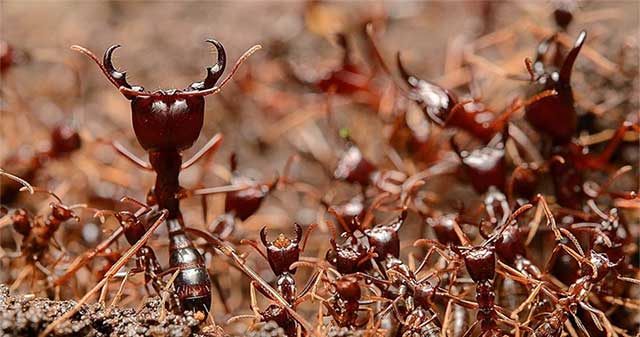
The number of offspring an animal can produce depends on many factors, and the subject is more complicated than you might think.

Ramjit Raghav, a farmer in Kharkhoda village, Haryana, India, became the focus of international media attention when he became a father for the first time in 2010 at the…
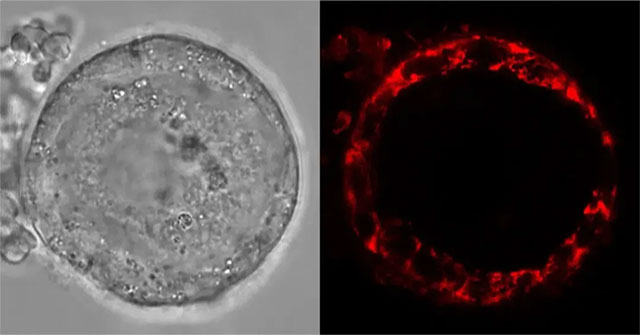
Human eggs can last for a long time. When a girl is born, the reproductive system has developed all the eggs the girl will have for the rest of her life.

Chinese researchers have found a highly salt-tolerant plant that improves soil fertility in the Xinjiang Uygur Autonomous Region.

At the age of 20-24 years, women are most likely to conceive; At 25-34 years of age, women give birth to and care for the best child. From 35 years of age onwards, ferti…

While it is undeniable that the uterus can still benefit a lot of people, it does not necessarily act as a tool to release women.
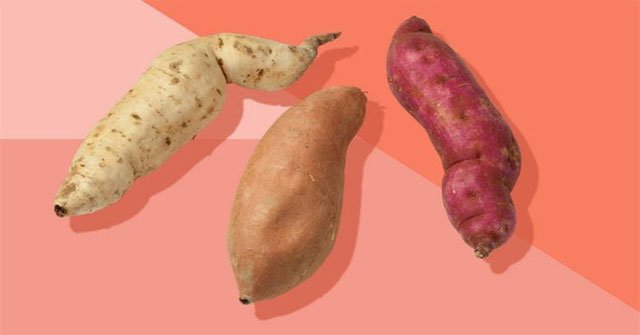
Some women choose to give up alcohol and drugs to conceive, but they do not know that eating and drinking also play an important part in the journey to motherhood.

The universe contains hundreds of billions of galaxies, each galaxy contains hundreds of billions of stars, and many stars have planets orbiting them, looking for extrat…

If humanity truly cannot reproduce within 30 years, is that a good sign for the Earth or will infinite despair envelop the world?
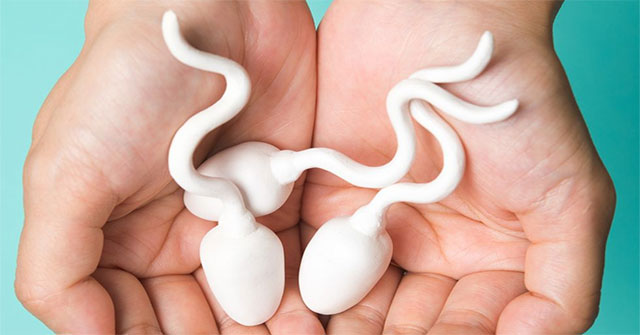
Thin sperm (also called diluted sperm) is a disease that reduces the fertility of men. However, very few people understand what diluted sperm is like?
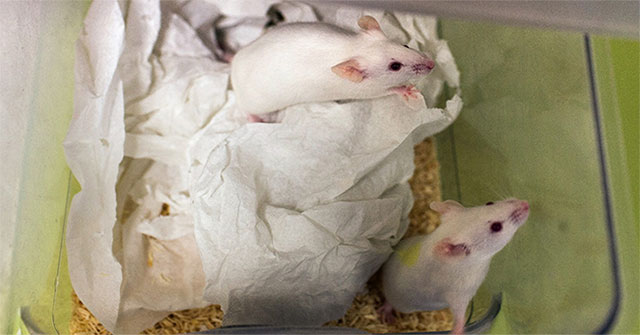
The team examined the reproductive health of 12 male 35-year-old male rats living on the International Space Station (ISS) in specially designed cages.

Have you ever wondered why our ancestors chose certain species as we see them today to domesticate - not other species?