Photo library
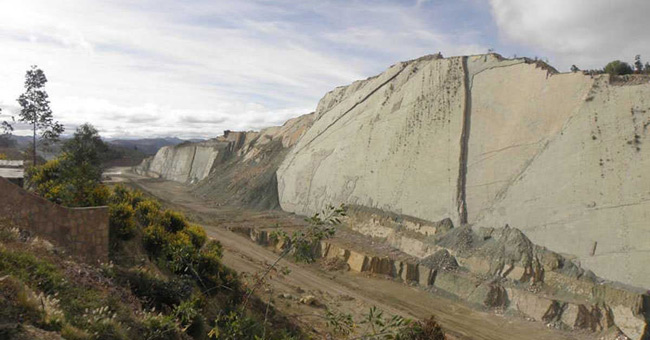
Discover cliffs with more than 5,000 ancient dinosaur footprints
Cal Orcko in Bolivia is home to the most diverse and diverse fossil footprints, dating from the Cretaceous period. This place attracts many visitors to visit.
Browse ScienceInfo articles and explainers related to Fossil.
1,536 published items.
Cal Orcko in Bolivia is home to the most diverse and diverse fossil footprints, dating from the Cretaceous period. This place attracts many visitors to visit.
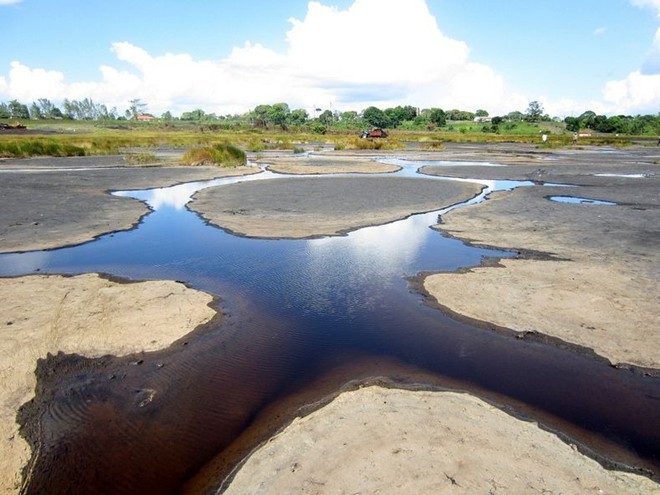
The largest tar lake on the planet is quite hard so people can step on it. People bring tar here to more than 50 countries around the world to make roads.
The Egyptian desert is home to some of the best preserved wildlife sites in the world, in which Al-Hitan Wadi Valley has a large collection of fossil whale bones.
Arriving in the town of Broom, you must not just walk on Cable Beach to see the brilliant sun, but also observe the 130 million year old dinosaur footprint at Gantheaume.
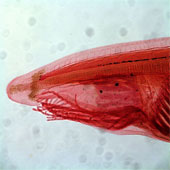
It is a bivalve or branchiostoma lanceolatum, an animal that is considered a fossil living in the natural world.
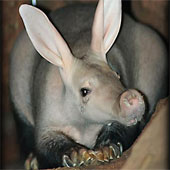
Living fossil animals are species that remain in shape for millions of years, with little or even no relatives, representing a single species that still exists.

The British snail (Nautilus pompilus) is considered by the scientific community as a

Russian scientists have just regenerated a flower from a seed buried in ice in Siberia 30,000 years ago.
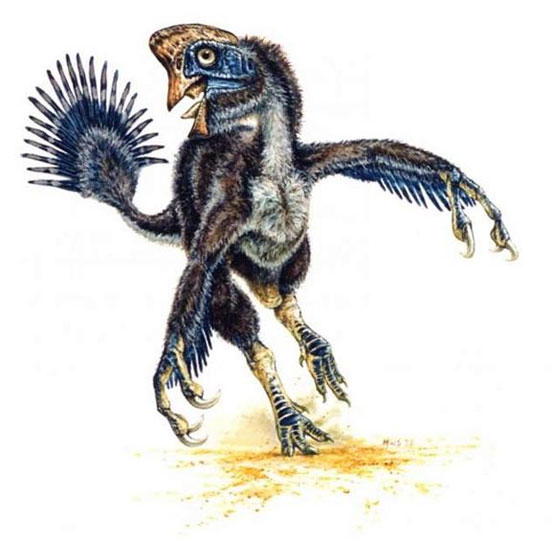
Scientists have reconstructed the image of the most intelligent dinosaurs, reptiles that eat dinosaur meat, ... and other extinct species based on fossil relics.

No dust, noisy car horns, no fossil energy to produce electricity are the hallmarks of green cities like Amsterdam, Freiburg, Reykjavík ...
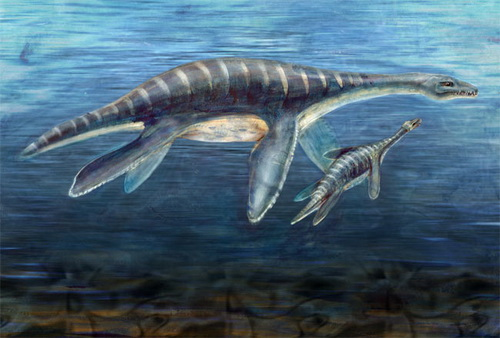
Live Science Magazine (USA) has just introduced a collection of 25 ancient organisms: from fish, birds, mammals, dinosaurs and other animals discovered by archaeologists…
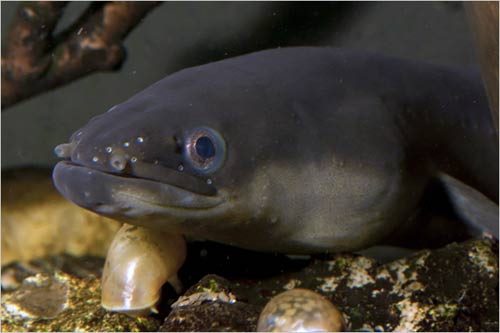
Photos with magnificent beauty sometimes make viewers scare, but these are priceless imprints in the natural mystery opening journey.
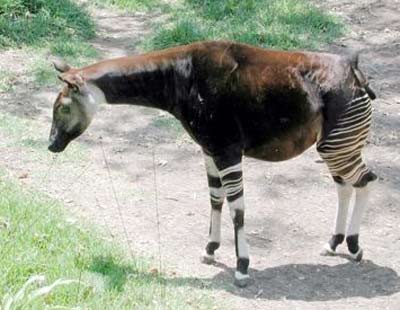
These strange creatures still exist today, although their shape is almost no evolutionary than hundreds of millions of years ago.
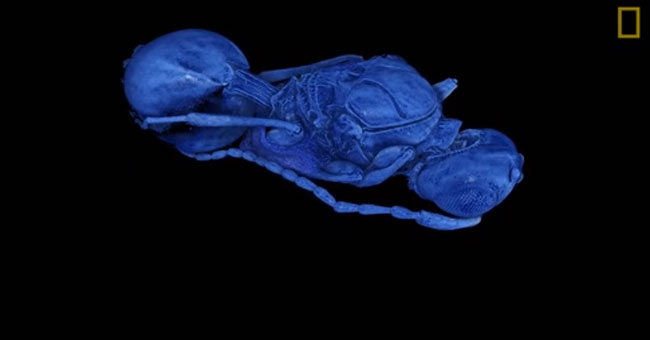
The researchers found parasitic wasps in the fly pupae fossils 35 million years in France, for example, rare fossils in fossils.
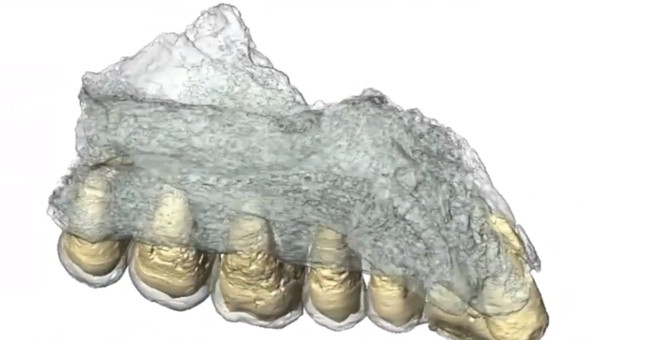
The 177,000-194,000-year-old jaw bone fragments reveal that modern people may have left Africa to other lands earlier than we thought.