Archeology
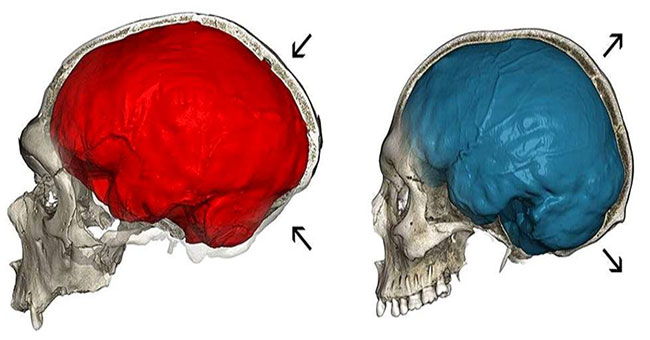
The first people are slightly squashed by the genetic genes of Neanderthals
Those with two Neanderthal genes, their heads are slightly flatter and longer - like Neanderthal heads.
Browse ScienceInfo articles and explainers related to Genetic.
1,190 published items.
Those with two Neanderthal genes, their heads are slightly flatter and longer - like Neanderthal heads.

A new study analyzing genetic and lifestyle-related data shows that biological and lifestyle choices can affect our lifespan.
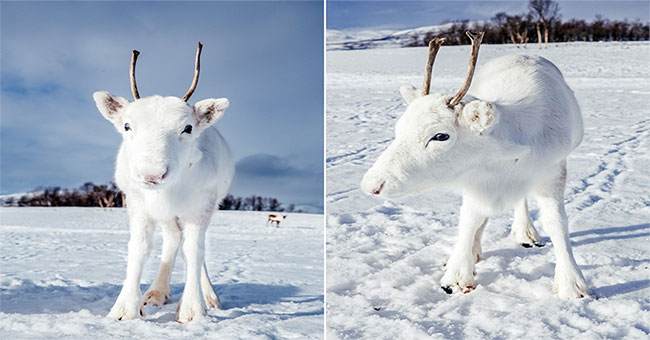
Photographer Mads Nordsveen recorded young reindeer images with snow-white fur on a Norwegian mountain.

Your intelligence, your height, eye color, and even weight gain. They are all inherited, but from whom?

It may sound absurd, but people who are sensitive to the bitter taste of coffee are often the subjects who consume this drink the most.

According to many scientific studies, the child's intelligence is inherited from the mother and not the father.

Mr. Jackson caught the moment when an infrared image of a creature at night was near his house and he thought it was the first published image of Cumbria.

Sardinia island in Italy is considered one of the five oldest villages in the world, life expectancy of 90 or more.

Brittany and Briana Deane, the twin-born twin sisters (in Twinsburg, Ohio, USA) met and fell in love with the twins Josh and Jeremy Salyers in a twins festival.

In 1899, a man was killed by lightning when standing in the backyard of a house in Taranto, Italy. 30 years later, his son also died for the same reason and also in this…

Professor Fernando Pardo - Manuel de Villena, head of the research team at the University of North Carolina (USA), said that genetically, most people are more like fathe…
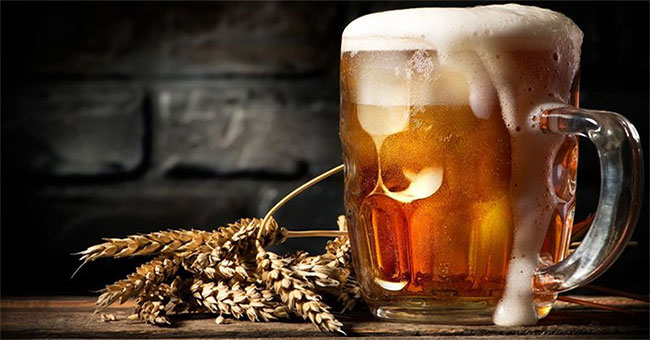
According to Live Science, the general answer is genetics, which affects how the brain processes cold drinks that taste bitter.

Since the 1980s, scientists have found that our left-handed or right-handed are more likely to be identified before we are born.

Scientists found 26 genetic variants that made them different and also confirmed: yes

The study found the subtle changes in genes involved in ADH1B and ALDH2 alcohol metabolism enzymes, which determine the amount of alcohol.