
Scientific application
Instructions on how to grow 5 types of spices without seeds
Without seeds, housewives can still grow mini spices to make their kitchen more beautiful.
Browse ScienceInfo articles and explainers related to Ginger.
79 published items.
Without seeds, housewives can still grow mini spices to make their kitchen more beautiful.
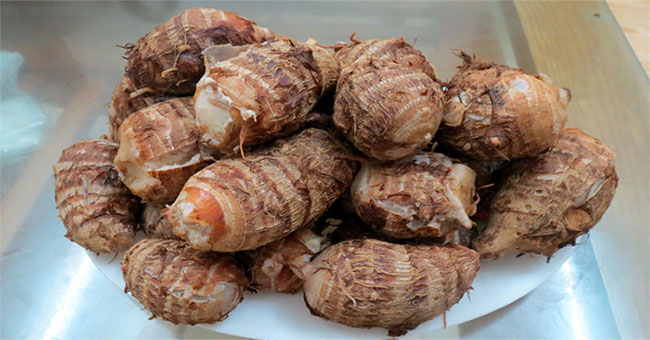
Taro is a plant of the genus Colocasia, family Araceae, distributed mainly in South Central Asia, the Malay Peninsula and India. Over time, this plant was brought to Sou…
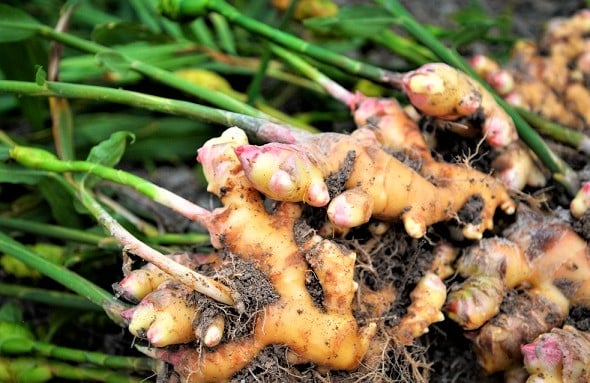
You do not need to spend too much money to buy nutritional supplements for the brain. There are many plants that are good for the brain
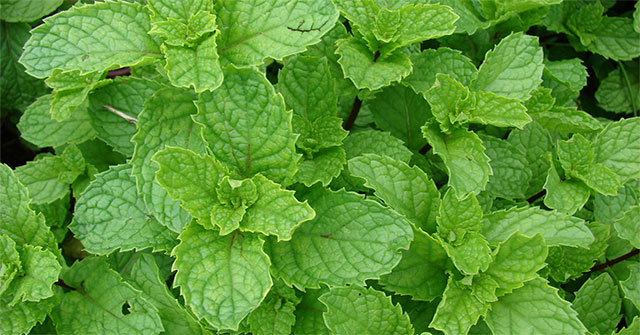
Some herbs such as ginger, turmeric, basil can help control and reduce joint pain for patients in the post-Covid-19 recovery period.

When it's cold outside, keeping your feet warm is an important part of your sleep and overall health. In this post...
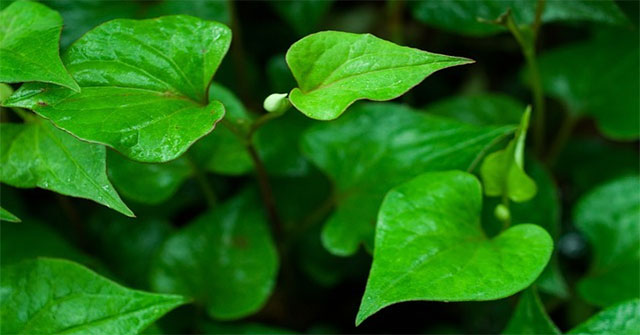
Drinking water with lettuce leaves, chives mixed with honey, basil leaves, river bones... can soothe coughs and sore throats when it's cold.
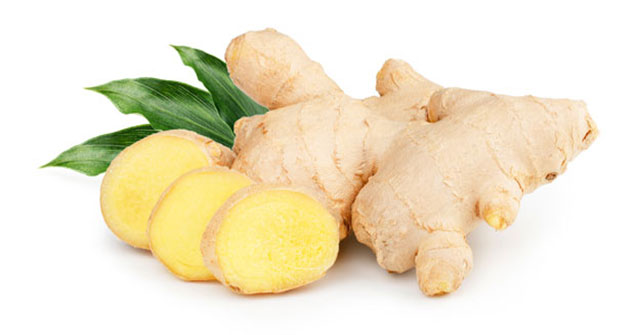
Ginger is a spice found in every kitchen. But more than that it is one
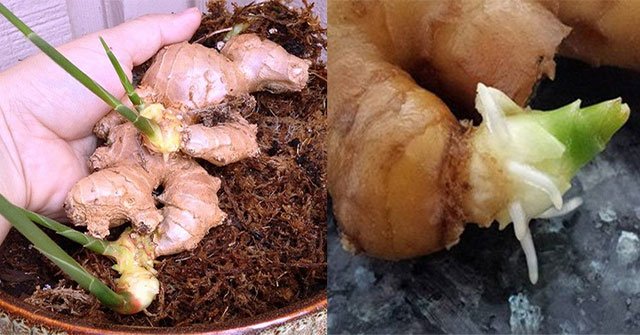
Use vegetables, tubers, fruits, and take advantage of cooking accessories that are familiar to our housewives.
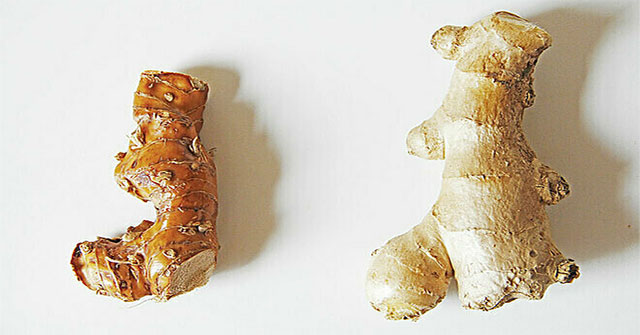
Ginger and galangal with their peppers but spicy, galangal less heat so most people eat, except pregnant women.
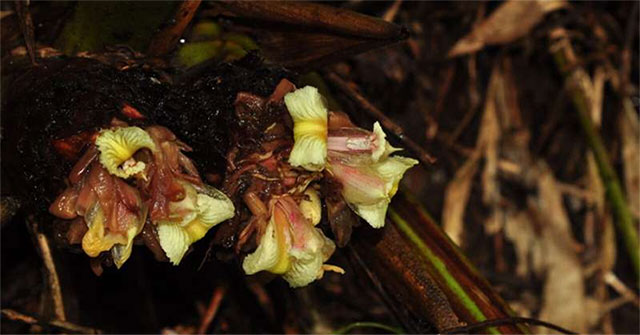
Scientists from Xishuangbanna Tropical Botanical Garden have announced the discovery of two new species of the Ginger family in Kachin state.
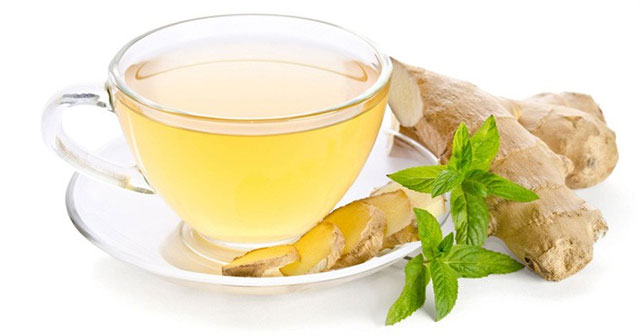
The mixture of ginger, onion, turmeric helps to eliminate nicotine for smokers, in addition to filtering the lungs, enhancing lung function.
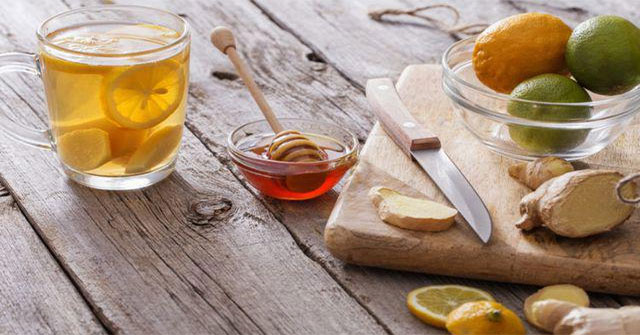
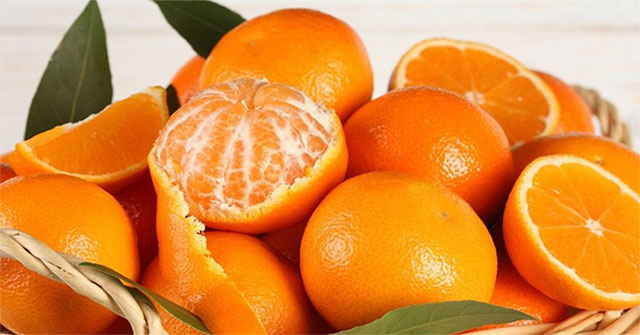
Fruits can not only be absorbed by the way of eating but also can bring many health benefits in a very simple way that is located right in the bedroom.
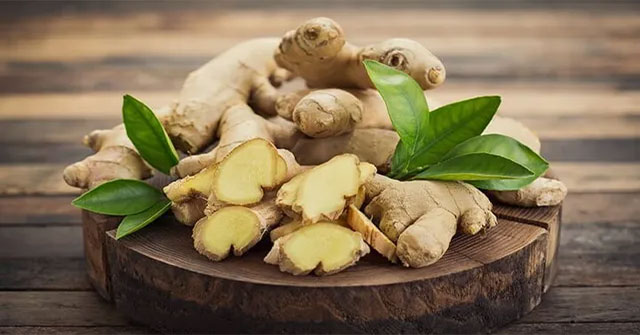
Ginger is known to have a warming effect in Traditional Chinese Medicine (TCM). Chinese researchers have found protein regulatory networks behind this effect.
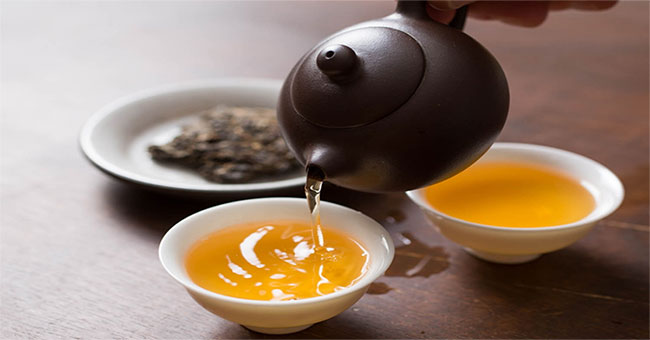
Jasmine tea not only helps keep the abdomen warm but also works to moisturize the body in the dry winter.