
Medicine - Health
Saved after 2 days of chilling
Amy Moore, 38, from North Carolina, USA, was chilled for 2 days before undergoing a heart surgery.
Browse ScienceInfo articles and explainers related to Heart.
1,301 published items.
Amy Moore, 38, from North Carolina, USA, was chilled for 2 days before undergoing a heart surgery.
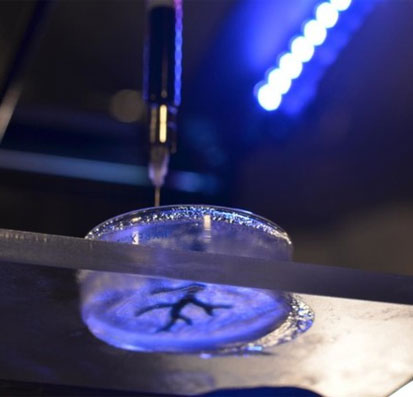
Researchers have successfully developed a method of 3D printing of various body structures such as heart, arteries, brain and bone, providing opportunities for cheap org…
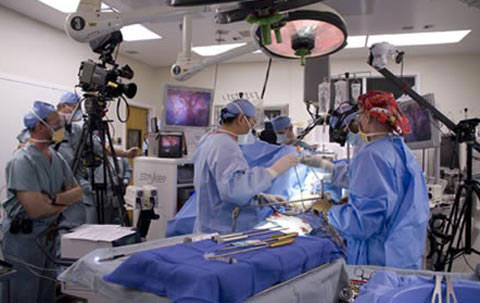
American hospitals and health facilities are often highly appreciated for the facilities, equipment and qualifications of the medical team. However, it is in these place…
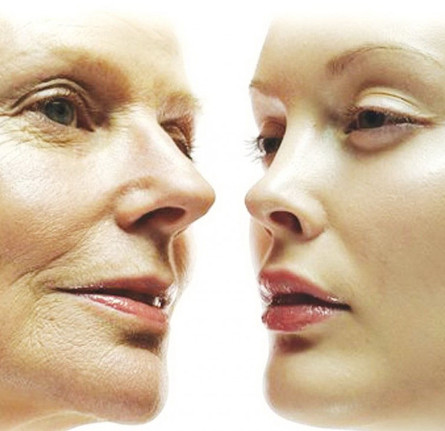
Aging always makes people worry, since feudal times people have wanted the heart to seek immortality. Today, the medical science has made great strides in finding the el…
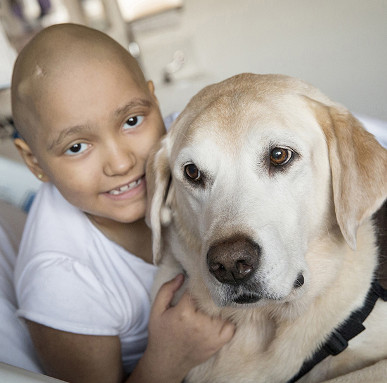
A new study shows that therapy dogs actually make patients' health better because their presence reduces anxiety and keeps blood pressure more stable.

Women easily interact and chat with people, have stronger hearts, less work in danger ... so they have a higher life expectancy than men.
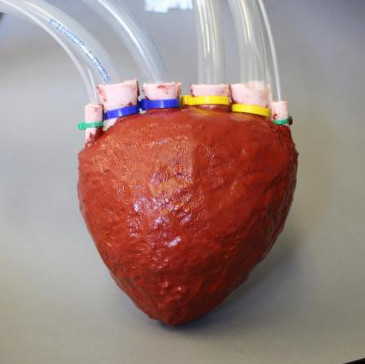
Using a kind of 'elastic foam' and 3D printers, scientists at Cornell University have created a liquid-shaped pumping device that acts like a human heart.
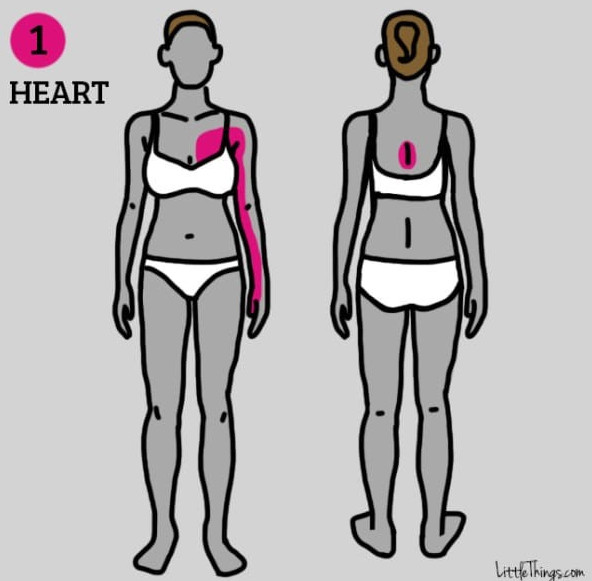
Recognizing the causes of pain is often important in diagnosing life-threatening illnesses.
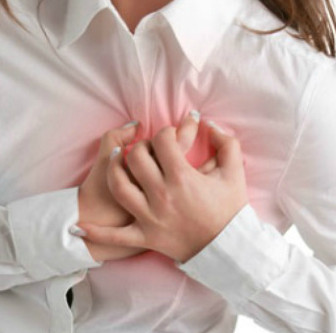
The first sign of pain in the center or left of the chest, calmly take an aspirin tablet, put pressure on the heart, cough continuously and try to call relief ...
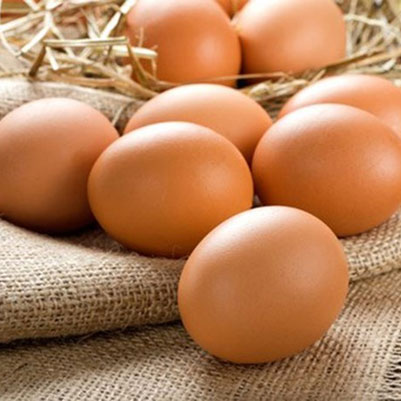
Many people like to eat eggs and often use eggs every day. However, this is not good in the eyes of scientists and nutrition experts.
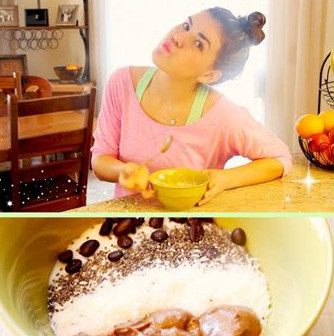
Don't be too nervous if you give up breakfast today. A recent study confirms this does not affect your health too much.
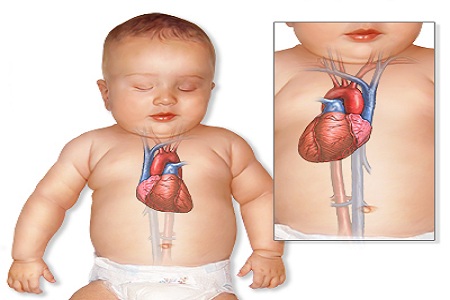
People still live healthy with many internal organs turning upside down and living with the right heart is not very difficult.
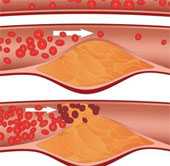
Scientists in Khimki suburbs of Moscow have successfully developed an anticoagulant that can save many lives.
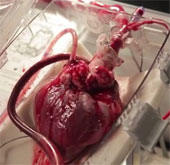
Thanks to a revolutionary technology, the donor's heart is still guaranteed to be throbbing in a body-separated box until the moment it is transplanted for the needy.

A sharp sense of smell shows a healthy body. If you can't smell bananas, cinnamon and lemon, you are at risk for Parkinson's disease.