
Biology
Plants swarm intelligence?
Research shows that roots of vegetables have collective intelligence, like honey bees and humans, that share information and solve problems together.
Browse ScienceInfo articles and explainers related to Intelligence.
943 published items.
Research shows that roots of vegetables have collective intelligence, like honey bees and humans, that share information and solve problems together.

By changing the NR2B gene, scientists created a mouse

The discovery of the Human Genome Map does not solve all of our health-related problems. In addition, people are too complicated and difficult to influence personality a…
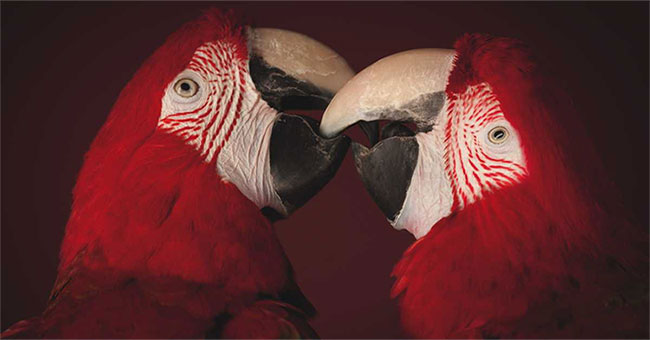
Parrots are considered to be one of the most intelligent birds, with the ability to imitate speech like humans.
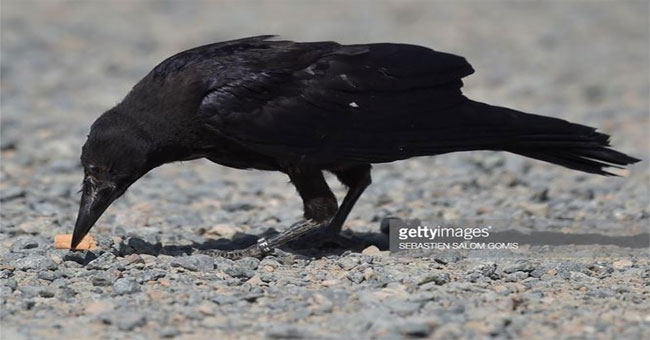
Some previous biologists claimed that the crows are actually very sociable and intelligent. Their intelligence is even compared with a 7-year-old.

We often think we are smarter than close relatives, such as gorillas. Is it true?
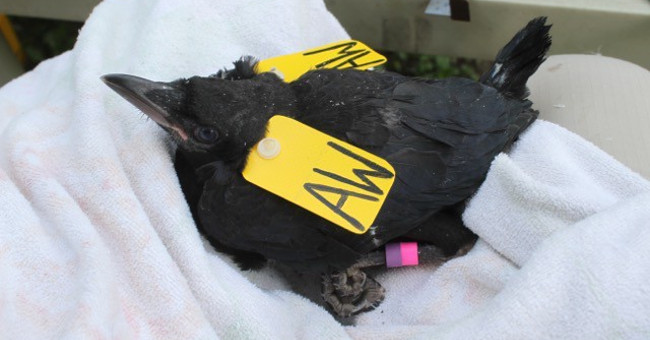
Classified as the planet's most intelligent animal, crows are the only non-primate species that can create and use working tools.

Thien Nga is faithful to a single partner. Moreover, swans are very smart, they remember who treated them well and who treated them badly.

Cnet reported that a group of scientists have been studying and finding dogs with more nerve cells in an important part of the brain than cats.

Each species on Earth has a special skill that distinguishes them from other species: the lion roars, the dances dance, the snakes crawl, the mice chew, and the humans t…

For decades, scientists have examined the intelligence of animals by observing whether they can identify themselves in the mirror.

A recent scientific study has explained why people tend to talk to objects or animals. This somewhat strange method of communication involves social intelligence.

Elephants are extremely intelligent animals. They have the largest brain of all the animals that live on land and three times as many neurons as humans.
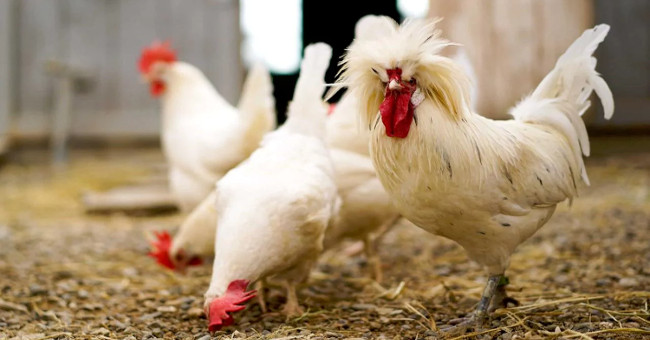
Scientists conclude that chickens can curb, recognize numbers and have better logical reasoning than children.

In a test that was conducted, scientists found that horses were able to analyze symbols when communicating with humans.