
Discover science
Do you know about the unwanted harms of LEDs?
Light pollution has increased worldwide due to the popularity of energy-saving LEDs.
Browse ScienceInfo articles and explainers related to LED.
401 published items.
Light pollution has increased worldwide due to the popularity of energy-saving LEDs.

Before his death in 1996, Baba Vanga left a series of predictions about the many wars and disasters that ultimately led to the disappearance of humanity.

Is the pack of wolves often led by the oldest, weakest wolves so no one is left behind? The truth will surprise you.

There are countless ways for people to be led by the nose, cheated or pranked. Sometimes these actions are only for the purpose ... fun is the main, but they are often u…

This seemingly simple question has led scientists to suffer for many years.

A photo taken by a man recently has led many to believe that there is more than one monster under Loch Ness.

For the first time in Rome's majestic history, the third slave war led by Spartacus became the only threat to the central lands of the Romans.

No need to rely on the skills of the virtual home of David Copperfield, a Korean skyscraper capable of disappearing on its own.

The Mysterious World page has listed a list of the 10 most expensive buildings in the world. Led by Abraj Al Bait building, located in Saudi Arabia with a construction c…

Starting from the beginning of photography, photographers have created artificial light sources to make the image bright and beautiful as desired in many different ways.

The scarcity of living water has led many men in western India to take more wives to get water for their family's needs.

A photo of Bangkok, Thailand from outer space is currently causing Twitter fever.

The bleach used in laundry does not make your shirt really white, and LED lamps with extremely efficient power consumption of the future will reveal their true nature.
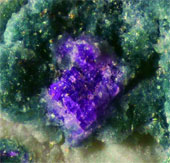
A group of scientists led by Dr. Peter Elliott of the South Australian Museum and a research team from the University of Adelaide found a new mineral called Putnisite.

The study was led by Elizabeth Broadbent, a health psychology lecturer at Auckland University, New Zealand who surveyed 49 healthy elderly people, ages 64 to 97.