Space science
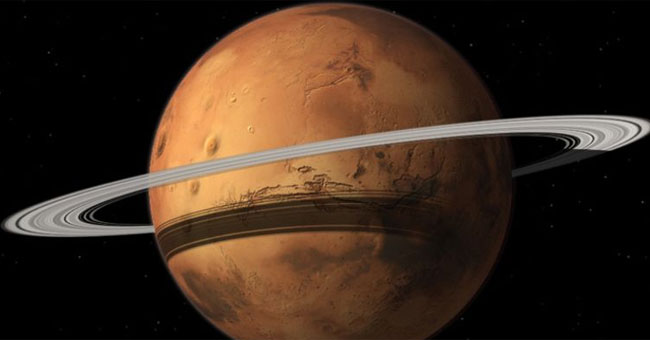
The broken moon will turn the belt around Mars
After the death of the only moon Phobos, Mars could become the second Saturn version with a debris belt surrounded.
Browse ScienceInfo articles and explainers related to Mars.
1,602 published items.
After the death of the only moon Phobos, Mars could become the second Saturn version with a debris belt surrounded.
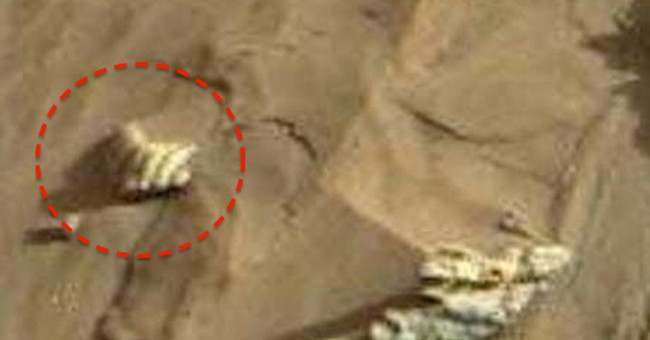
In the image recently obtained from Mars, many people believe that they see the image of a clam shell, and this may be a sign of life.
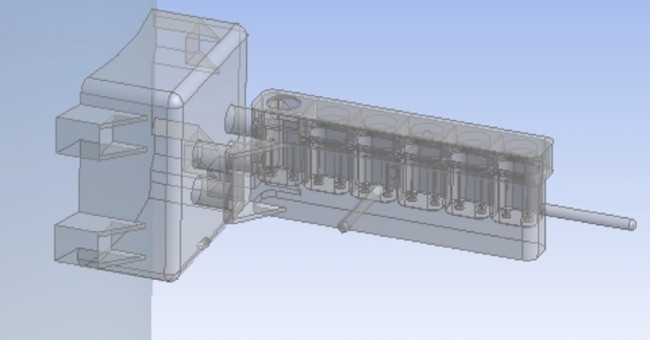
Future astronauts on Mars may not have to worry about the broth on Red planet, because a water collector is expected to be deployed on the surface of Mars in 2018.
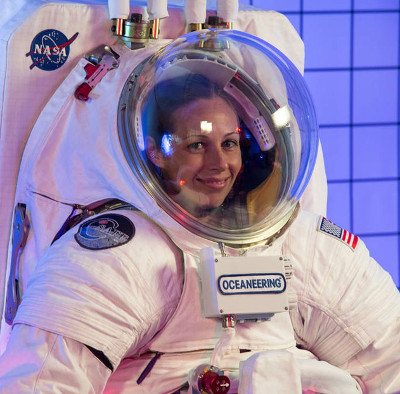
In early October, NASA introduced the design of two PXS and Z2 suits for astronauts on their journey to Mars and now they officially launch two experimental prototypes o…
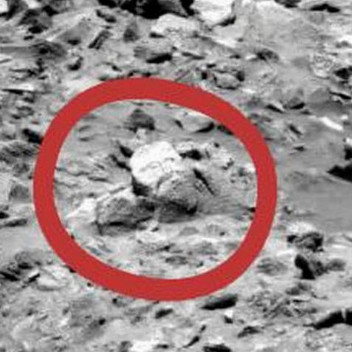
Again, imaginative people believe that they have seen signs of life on Mars. This time, it was a rock like a man with a beard that was impressive.
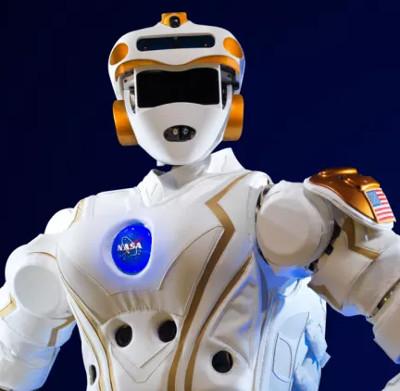
As expected, the R5 Valkyrie robot will be an indispensable part of the campaign to conquer Mars.

Some aliens believe they have discovered life on Mars through an image that they think is a long-tailed monkey sitting on a rock.
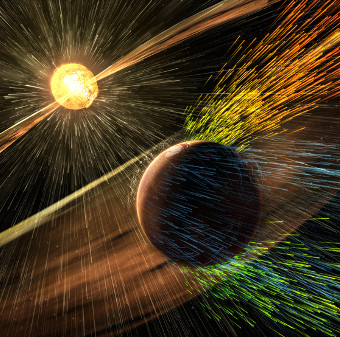
Solar storms with an energy equivalent to one million tons of TNT per hour turn Mars from an environment with a dense atmosphere and liquid water that is conducive to li…

If someone tells you that the universe is very large. Ask him again: How big is it? That is a question that makes anyone hard-spoken. You can only imagine the greatness…
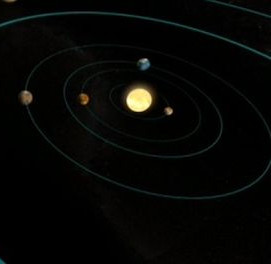
Three planets will appear in the sky this week in a straight line that can be seen with the naked eye.

The peculiar eyes, giant jellyfish, Martian human faces, predatory eels, and dark shadows are special images in the universe recorded by astronomers for many years.

If we assume that a quarter of the Milky Way's 400 billion stars have orbiting planets

Russian scientists are completing the final training steps to bring the monkey to explore Mars in 2017.
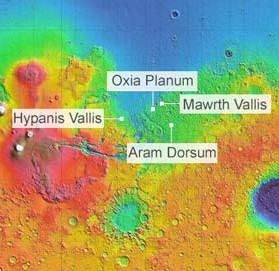
Scientists are building specialized robots sent to Mars to explore Mars's special equatorial region called Oxia Planum.

The scientist headed by one of NASA's departments commented: from a scientific standpoint it is mostly true, however, some details are still exaggerated.