Cancer
Vietnam successfully built the Nano FGC complex for cancer treatment
October 11 morning, Scientific Workshop
Browse ScienceInfo articles and explainers related to Medicine.
2,104 published items.
October 11 morning, Scientific Workshop
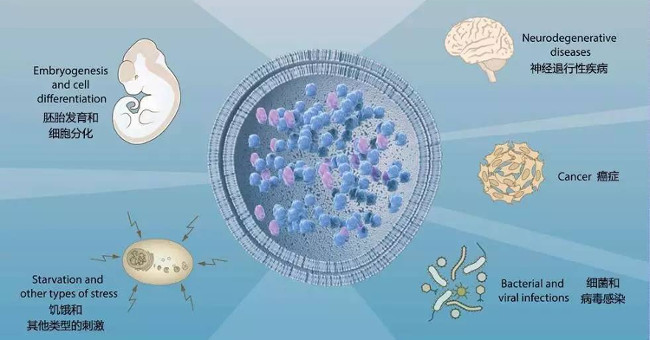
Research by the Japanese scientist who won the 2016 Nobel Prize in Medicine for the cell's autonomous mechanism opens the door to application in the treatment of critica…
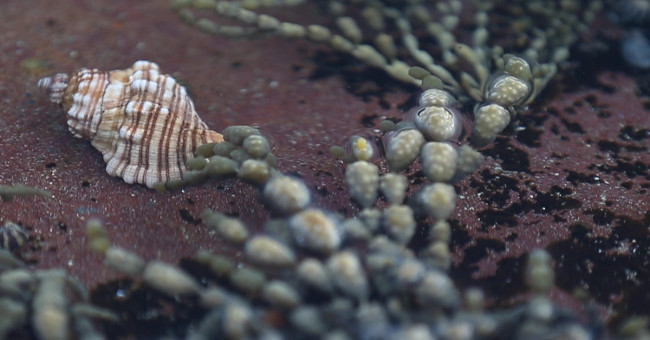
Substances in the nudibranchs that live along the Eastern coast of Australia are very resistant to cancer.
After more than 50 years of being embargoed by the US, from a country

Shakki said anticancer nano drugs are currently being used in Iran to treat breast and prostate cancers.
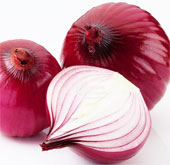
Due to the pungent taste, many people hate to eat this dish. However, for people with osteoporosis, stomach, diabetes ... onion is a cheap and effective medicine.
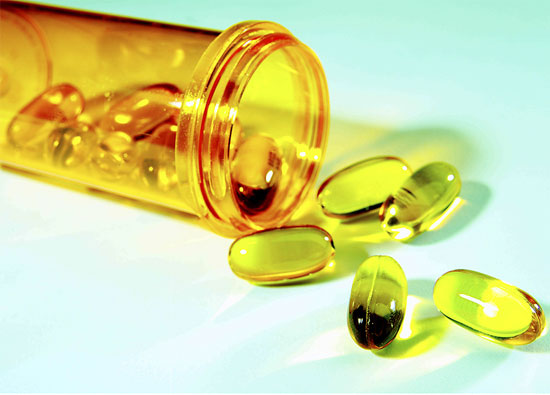
According to a recent study published in the Journal of the National Cancer Institute, if the body is absorbed in Vitamin E, it can reduce the risk of liver cancer.
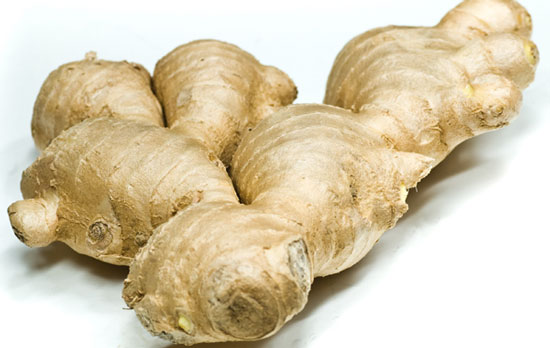
Ginger works to treat gastrointestinal diseases, prevent colon cancer, is a precious medicine of Eastern medicine certified by Western medicine.

The high concentration of fat and cholesterol in a typical American-style diet plays an important role in the development and spread of breast cancer.
A new study has discovered Apigenin, a compound in parsley and other plant products such as fruits and nuts, that can prevent the growth and development of breast cancer…

Brain cells may be victims of Helicobacter pylori, a bacterium that has been identified as the culprit in ulcers and stomach cancer in humans.

A group of scientists has discovered new gene variants related to ovarian cancer, Nature Genetics, 19/09, said.

The painful parents of Jordan Hardenem were instructed by a doctor to take him home to die, after his rare white blood disease had reached the third stage.
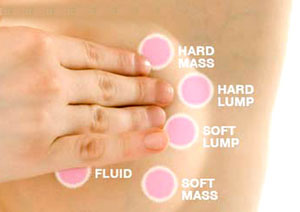
A recent study by scientists from the Canadian Cancer Society demonstrates that the rate of developing breast cancer in menopausal women drops.
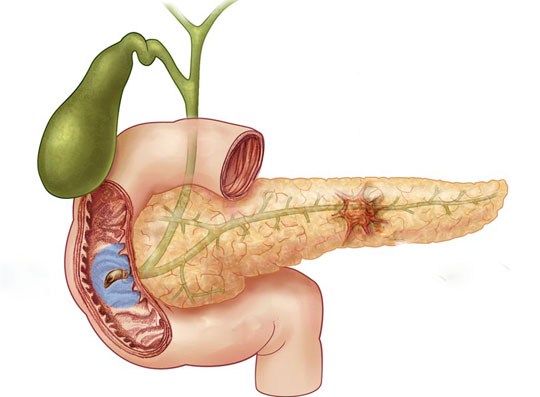
British scientists have discovered a protein called P110γ is linked to the development of pancreatic cancer.