Environment
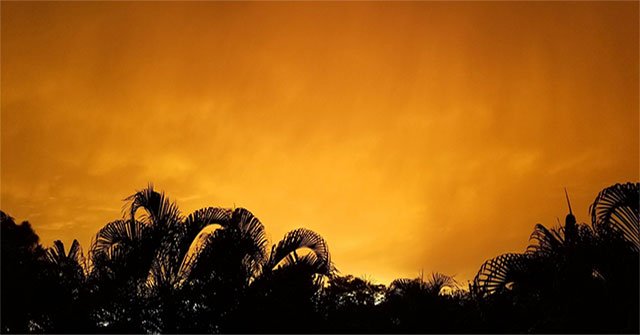
What caused the giant dust storm 'Godzilla'?
After more than 50 years, 'Godzilla' comes back and is becoming an obsession for people living along the southern coast of the United States.
Browse ScienceInfo articles and explainers related to NaSa.
3,231 published items.
After more than 50 years, 'Godzilla' comes back and is becoming an obsession for people living along the southern coast of the United States.
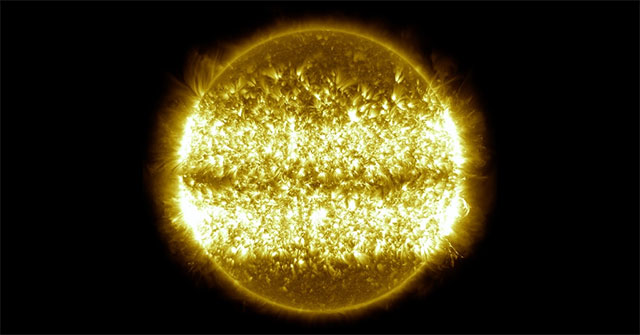
NASA has just released an hour-long video in which astronomers synthesize images of the Sun collected after a decade of observation.

Scientists found exoplanets the size of Neptune orbiting the star AU Mic, 32 light-years from Earth.
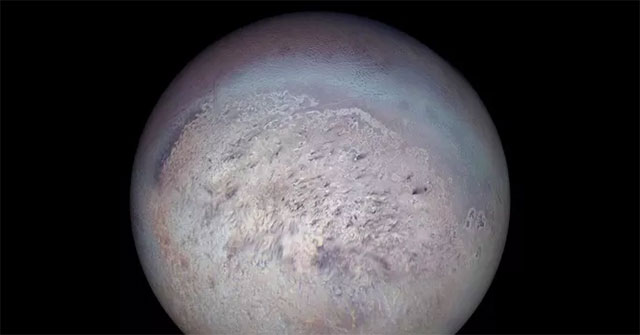
Neptune's beautiful moon, Neptune, shines a light purple through the lens of a NASA spacecraft, can possess an ocean of life.
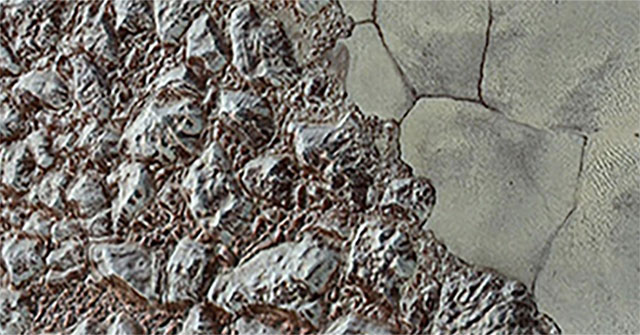
Image analysis from NASA's New Horizons mission shows that Pluto is very hot when it is first formed. This will create liquid water that exists to this day.
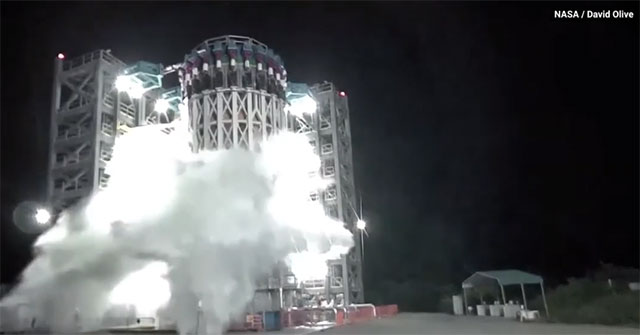
NASA is becoming quite good at exploding its next-generation rocket system.
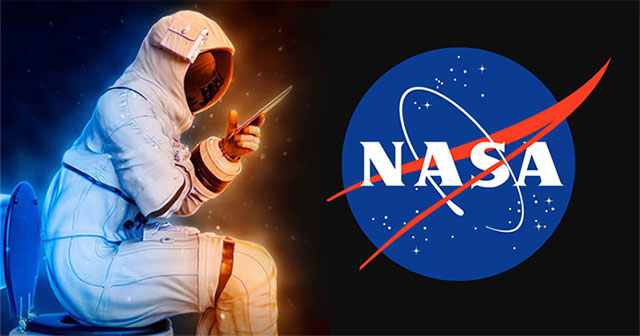
Whatever the design, whatever material doesn't matter, just being compact, working well in space-less gravity and low gravity on the moon is enough.
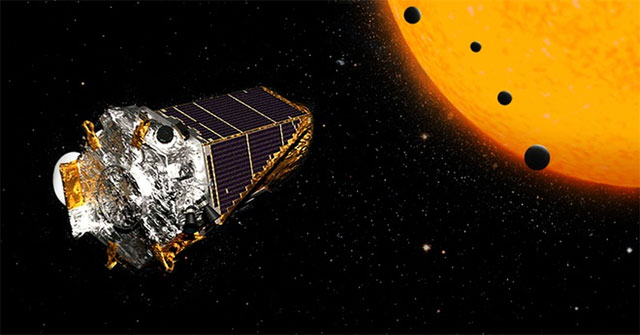
There may be as many as 36 alien races living in our galaxy, so how many planets are equivalent to Earth?
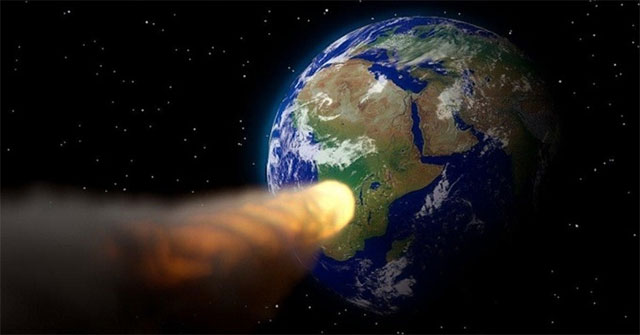
Astero nearly the size of the Eiffel Tower in Paris will fly over Earth in the next few days according to data collected by the US Space Agency (NASA).
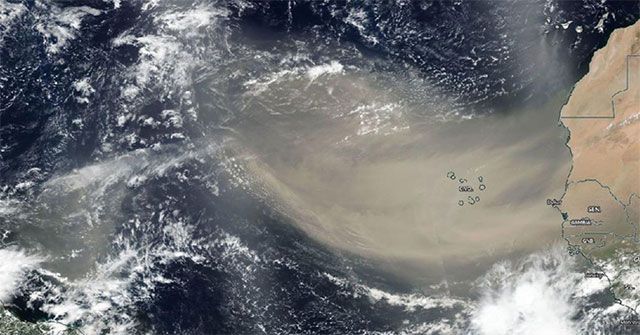
Large amounts of dust from the African desert are carried by the wind across the Atlantic Ocean, contributing to the creation of beaches and fertile soil.

NASA astronomers discovered a very young and powerful neutron star, about 16,000 light-years from Earth.

Australians were surprised to find a strange green object glowing in the night sky. Strange objects can be seen throughout Victoria and South Australia.

This photo appeared a few years ago, but has been widely shared recently.
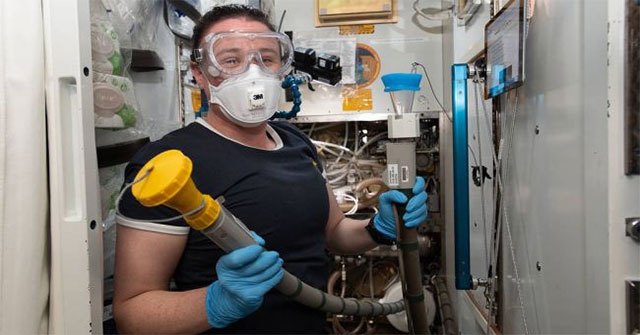
This is a new achievement for the space exploration industry when it is possible to reuse wastewater and prevent bacteria from spreading out in space.
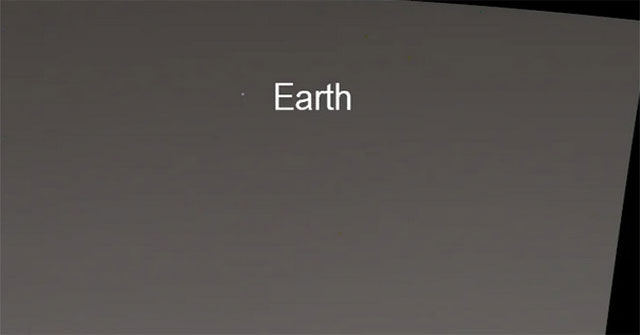
The dense dust in Mars' atmosphere makes the Earth and Venus look like tiny dots in a camera photo of the Curiosity robot.