Environment
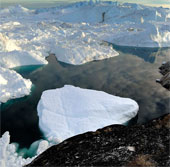
Half of the cause of Greenland warming is natural
About half of the warming on the surface narrowed Greendland's ice masses due to temperatures in the Pacific tropical ocean, not from greenhouse gases.
Browse ScienceInfo articles and explainers related to Temperature.
2,022 published items.
About half of the warming on the surface narrowed Greendland's ice masses due to temperatures in the Pacific tropical ocean, not from greenhouse gases.
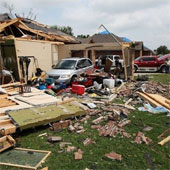
According to a study published in the journal Nature on May 14, tropical tornadoes are getting stronger, moving far and away from the equator and getting closer to the t…

A new study by British, Australian and American scientists shows that climate change negatively affects crops at a more serious level than previously estimated.
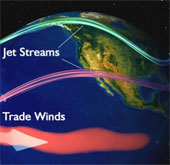
Earth's heat will rise as the El Nino weather model is ready to blow a large amount of heat into the atmosphere by the end of 2014.
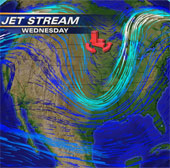
According to the BBC on February 15, the Arctic temperature has increased 2-3 times faster than the rest of the world, leading to an increase in the jet stream.
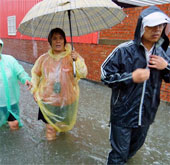
The phenomenon of surface water in the Western Pacific region has warmed China, Japan and South Korea to the threat of massive tropical storms.
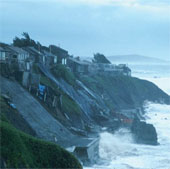
A new study published in the journal Nature Climate Change today shows that climate change will make El Nino's frequency increase significantly in the 21st century.
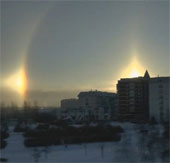
The phenomenon of virtual sun was observed in Moscow on January 19 at the time the temperature was -20 degrees Celsius.
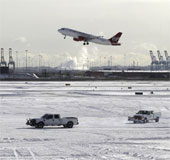
On January 6, millions of Americans urgently made final preparations to deal with the unusual cold spell from the Arctic, causing temperatures to drop to a record low in…
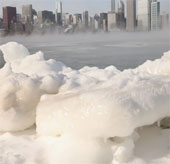
Unusual chill in the Midwestern and northeastern states of the United States continues to be complicated and dangerous, leaving dozens of people dead.
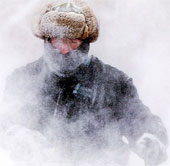
The United States is trembling against the record cold: storms and icy winds have caused the temperature to drop to -57 degrees C.
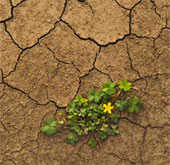
Climate change and population growth will increase 80% of the drought situation by 2100, the researchers confirmed.

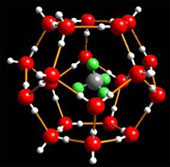
Cold temperatures below negative levels can become ideal conditions for performing unique scientific experiments but are also very dangerous.
AAG fiber breakage on December 20, 2013 affected tens of millions of internet users in the country.
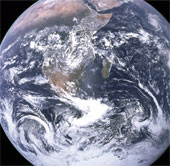
The average global temperature will increase by at least 4 ° C by 2100 and possibly more than 8 ° C by 2200 if greenhouse gas emissions are not reduced.