Biology
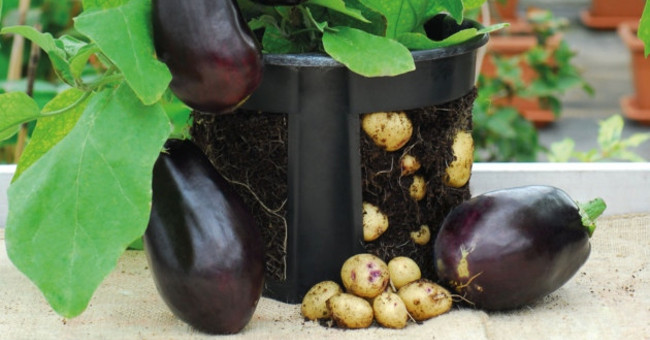
Eggplant tops lay potatoes
The new plant is created by gardeners for two types of produce at the same time, with eggplant at the top and potato at the base.
Browse ScienceInfo articles and explainers related to Transplant.
416 published items.
The new plant is created by gardeners for two types of produce at the same time, with eggplant at the top and potato at the base.
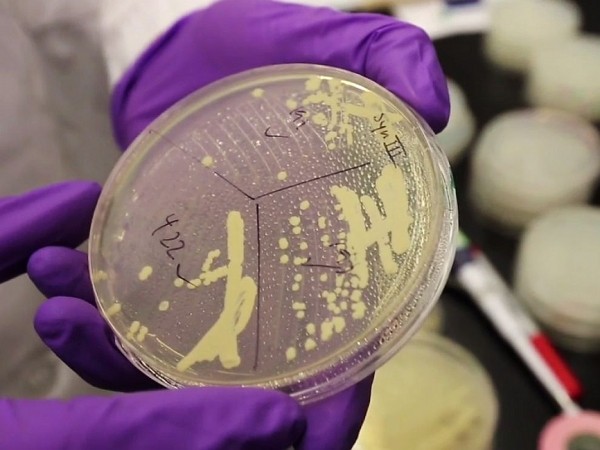
Scientists have discovered that when transplanted human genes, yeast cells can still continue to function and develop.

A gardener in the UK used the method of stemming to create a hybrid of 50 different apples on the same tree.
With a passion for farming, Paul Barnett, from Chidham, near Chichester, West Sussex, spent 24 years growing an apple tree with 250 different species.
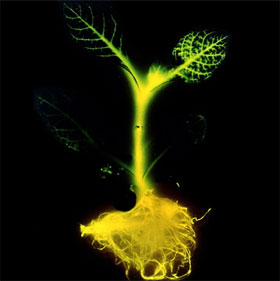
The sight of glowing trees on both sides of the road will not only appear in fictional movies thanks to a US study.
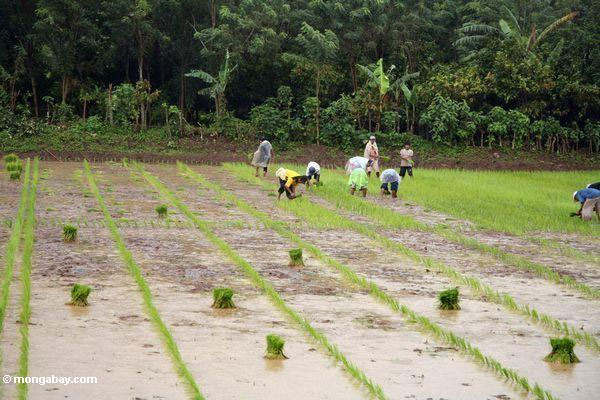
Scientists have discovered a gene in India's Kasalath wild rice variety that has the potential to increase rice production in poorly nutrient gravel soils.
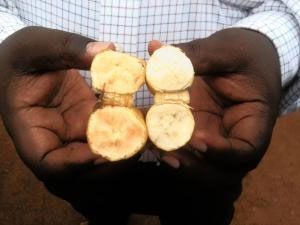
The Star of South Africa on July 13 reported that Ugandan scientists have taken biotechnology a step further when successfully transplanted bananas rich in vitamin A and…
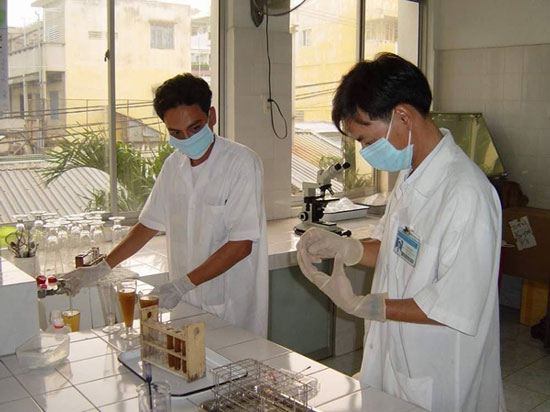
50 years ago, researchers from the University of Toronto, Canada discovered stem cells.
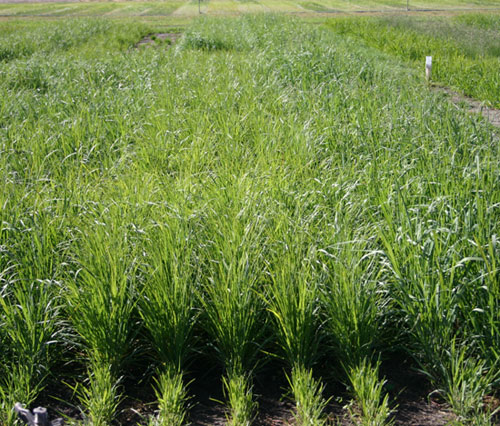
Scientists can make rice adapt to climate change and catastrophic consequences, by transplanting fungal spores onto rice and other seeds or crops for seeds. , according…

The team of the Japan Center for Reproductive Research successfully implanted retinal cells made up of iPS cells in monkeys.
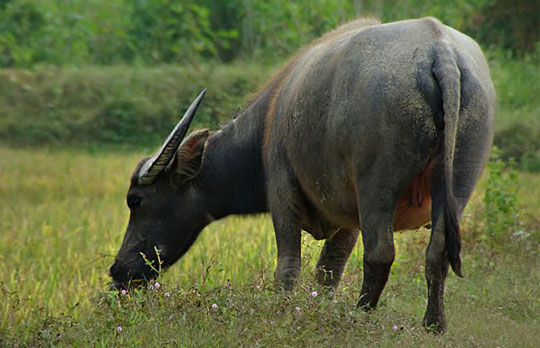
Chinese scientists for the first time in the world successfully created genetically modified buffalo breeds; then the buffalo fetus was transplanted.

Russian goats will give us human milk. It is a group of Russian goats being raised and bred on a farm in the village of Golsovo in the Sakhovsky region.

According to the Fox News news agency of the United States and the British Daily Mirror, Swiss scientists have spent 20 years cultivating the new generation of red apple…

On the morning of May 25, after more than two weeks of germination, the first grains of rice were revealed from the soil layer, which was 3,000 years old.

Canadian scientists have discovered the cheapest method to produce insulin.