
Medicine - Health
Mobile phones do not increase the risk of cancer
A study in Denmark tracking 350,000 mobile phone users over a period of 18 years showed no relationship between mobile phone use and increased risk of cancer.
Browse ScienceInfo articles and explainers related to Tumors.
201 published items.
A study in Denmark tracking 350,000 mobile phone users over a period of 18 years showed no relationship between mobile phone use and increased risk of cancer.
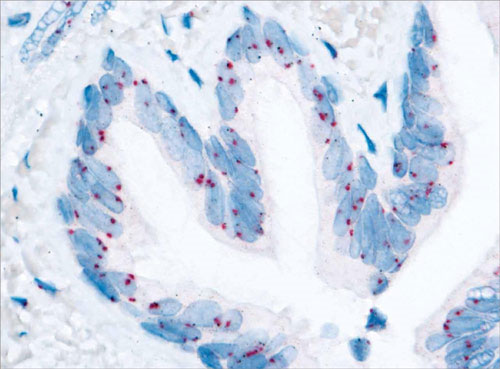
Scientists have conducted a study of drug resistance to some cancers and confirmed that the effects of anticancer drugs will increase efficiency if drug resistance is pr…

An English girl born with a big, red nose like a circus clown due to the appearance of a benign tumor covering her nose.

A little girl makes her whole house full of laughter - because she can't stop giggling after a brain surgery.

Diets low in carbohydrates and high in protein can reduce the risk of cancer and slow the growth of tumors.

For the first time, Van Chi (turkey tail mushroom), a precious medicinal herb, has just been proved by scientists at Queenland University of Technology (Australia) to be…

Cancer cells can be burned with new technology, using the magnetic field of magnets in combination with iron oxide molecules.

A group of doctors from a Medical Center in France successfully performed surgery to restore the trachea of people with cancer.

Simeon Fairburn in Queensland, Australia has endured daily pain to last 29cm in 2 years.

Researchers at the University of Twente (Netherlands) are developing a method for detecting and treating tumors with nanometer-sized gold particles.

Curcumin - the main active ingredient extracted from yellow turmeric can prolong human life because it contains all substances ...

Australian scientists say recent vitamin E therapy may help to survive prostate cancer.

With the help of magnetic resonance imaging (MRI), the laser can destroy tumors deep in the brain in areas that doctors have not yet reached.

US scientists have studied the type of molecule JQ1 that can cause the cancer gene to be ineffective, thereby inhibiting tumor growth.
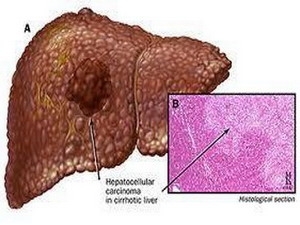
According to US scientific research, people infected with hepatitis B virus are twice as likely to develop lymphoma.