Space science
In 2013, twice admired the lunar eclipse
In 2013, Vietnamese astronomers will twice have the opportunity to admire the eclectic astronomical phenomena, according to Dang Vu Tuan Son, Chairman of Vietnam Young A…
Browse ScienceInfo articles and explainers related to Astronomical.
425 published items.
In 2013, Vietnamese astronomers will twice have the opportunity to admire the eclectic astronomical phenomena, according to Dang Vu Tuan Son, Chairman of Vietnam Young A…

If 2012 closes with a 'sadness' regret of the 'believers' who love astronomy because there are up to 18 interesting natural supremacy, but the weather is not really supp…
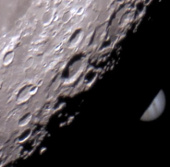
An astronomer recorded a detailed image of a rare astronomical phenomenon, in which the moon appears to be 'devouring' Jupiter, the solar system's largest planet.
The astronomical industry welcomed the impressive discoveries in 2012, which changed the way people knew about the universe, and pushed some devices to the critical leve…
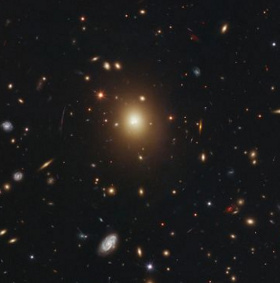
The astronomical industry welcomed the impressive discoveries in 2012, which changed the way people knew about the universe, and pushed some devices to the critical leve…
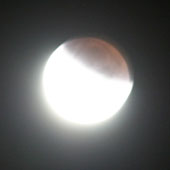
Due to the unfavorable weather, astronomers in Hanoi and many places in Vietnam will not be able to observe the phenomenon of half-moon eclipse taking place tonight, Nov…
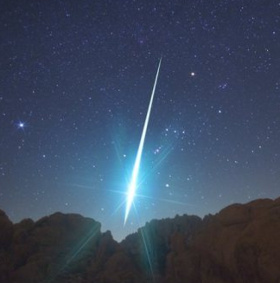
The most beautiful meteor shower in the year Geminids (Gemini) will have a maximum time on December 13 and 14 and this will be the most ideal time for Vietnamese astrono…
The sky space is vast with countless interesting phenomena and beautiful views, which observers can see with the naked eye or the telescope.
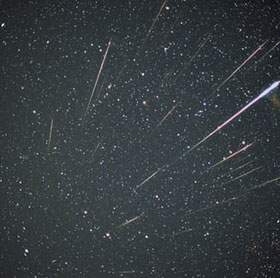
Leonids meteor shower, one of the remarkable astronomical phenomena of the year, will be seen in Vietnam this weekend.
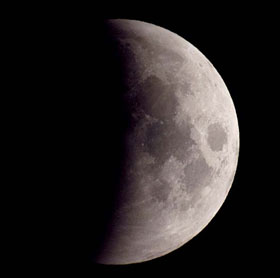
The half-moon eclipse will begin at 19h15 and end at 23h51, the maximum at 2133 (Vietnam time) on the evening of November 28.
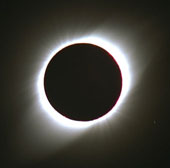
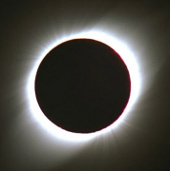
People around the world will have the opportunity to admire the total eclipse and partial eclipse this month.
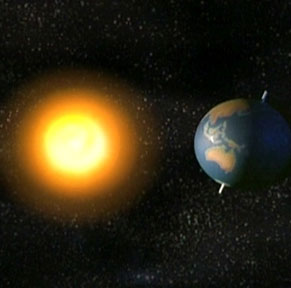
According to Space, astronomers used the AU unit to measure every distance in the solar system. For example, Jupiter is 5.2 AU from the Sun while Neptune is 30,07 AU fro…
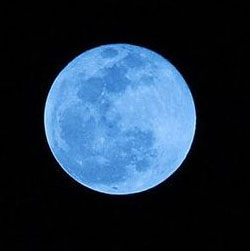
Tonight, Friday 31 August, people around the world will have the opportunity to admire the 'blue moon' - the second full moon phenomenon in the month, averaging 2.7 year…
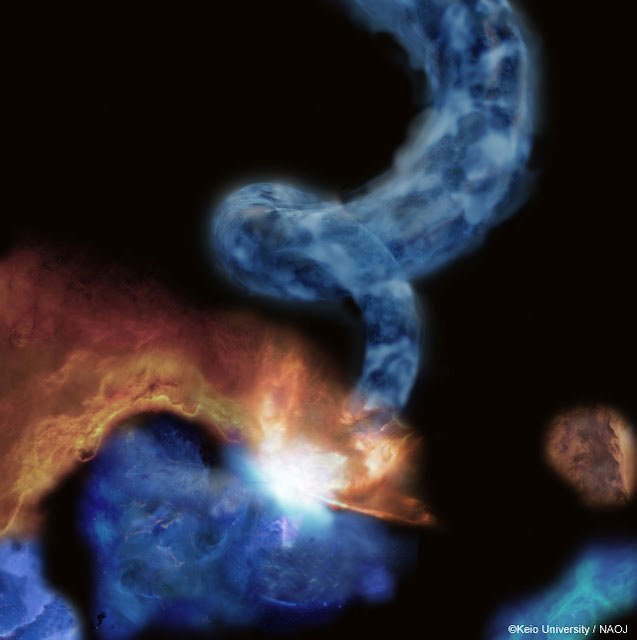
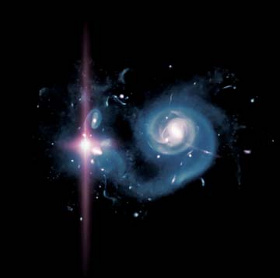
The group of Japanese scientists at Keio University and the National Astronomical Observatory on September 4 published a photo of gas clouds forming very beautiful swirl…
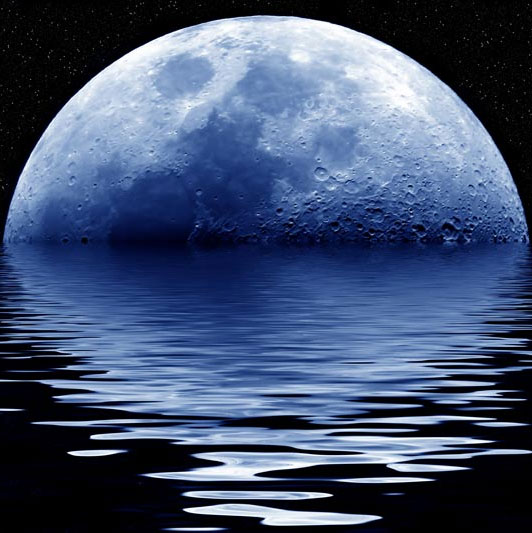
Astronomers will have the opportunity to see the blue moon on August 31. This is the last chance for an average phenomenon of almost 3 years to come once.