Space science
America is about to launch a ship to Mars
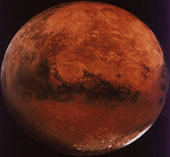
The US Aeronautics Agency (NASA) announced yesterday that it will take the spacecraft to Mars to find out what causes the red planet to lose its atmosphere.
Browse ScienceInfo articles and explainers related to Atmosphere.
902 published items.
The US Aeronautics Agency (NASA) announced yesterday that it will take the spacecraft to Mars to find out what causes the red planet to lose its atmosphere.
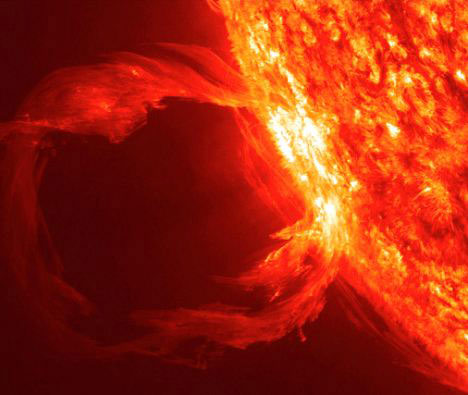
The US Aeronautics and Aeronautics Agency (NASA) has plans to launch a solar detector the size of a solar-powered car in 2018.
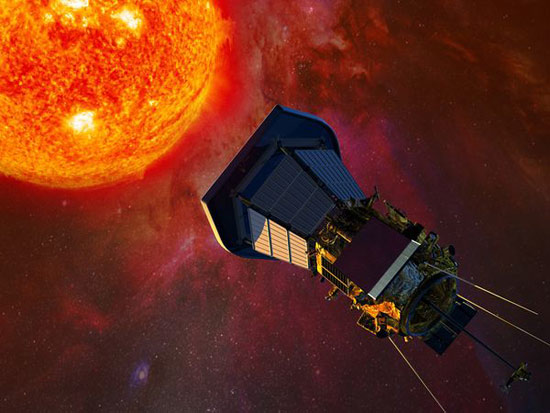
The US Aeronautics Agency (NASA) announces that one of its spacecraft will rush into the solar atmosphere to perform the task.
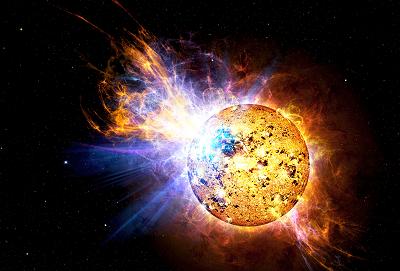
Scientists are warning that the Earth may experience a strong tsunami from outer space as early as Tuesday after a massive explosion occurred on the Sun.
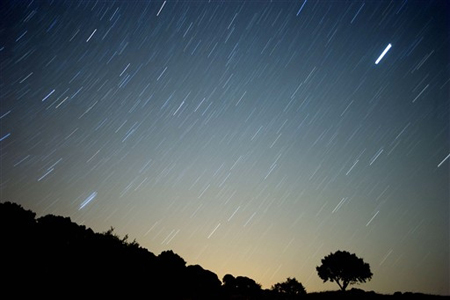
British Fairy Meteor (Perseid) rushes into the earth's atmosphere at a speed of 60 km / sec and is heated to thousands of degrees Celsius.

In order to discover signs of life on Mars, Canadian scientists will measure the proportion of atmospheric components on the planet.

Because a planet moves so close to its own star, its atmosphere is sucked out and forms a trail like a comet.

For the first time, astronomers have discovered that the magnetic field of the atmosphere outside the sun produces mysterious sound tunes.

The US Aerospace Agency (NASA) has just released the first video of the sun recorded by Solar Dynamics Observatory.


Astronomers in China have discovered a giant hot planet named WASP-12b discovered in 2008 is losing the atmosphere.

Observing their planets and moons, can help people find new settlements like Pandora in the blockbuster Avatar recently released.

Leoid meteorite (Leonid) moves at a speed of 251,000 km / h when plunging into the atmosphere, creating beautiful bright spots all over the planet.
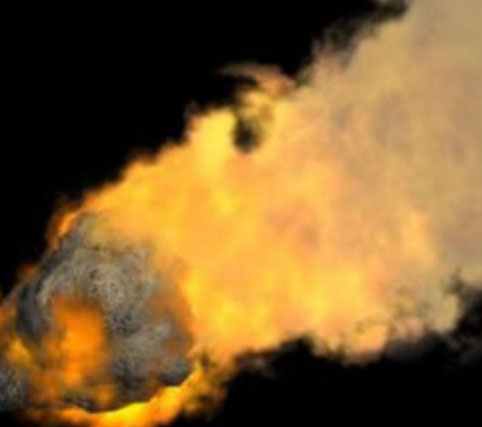
A meteorite exploded in the Indonesian sky with the equivalent of three atomic bombs that the US threw at Hiroshima city, but no telescope detected it.
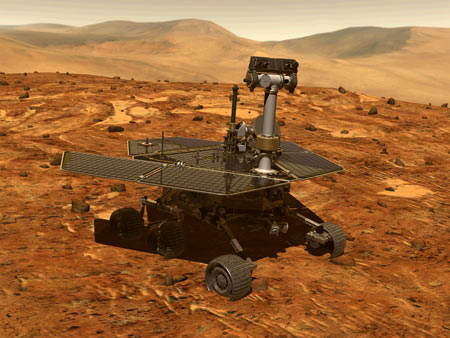
A new hypothesis suggests that Mars is not always red and explains why the planet is so red.