
New technology
Smart speaker recognizes heart failure to call emergency
Scientists at the University of Washington have added a new tool such as the Amazon Alexa virtual assistant for smart speakers to capture sound that indicates heart fail…
Browse ScienceInfo articles and explainers related to Call.
1,893 published items.
Scientists at the University of Washington have added a new tool such as the Amazon Alexa virtual assistant for smart speakers to capture sound that indicates heart fail…

It is not uncommon for children to be born with fingers or toes. This mutation is called polydactyly, the rate of 1/500 children will suffer from this abnormality.

In the future, astronauts will live in architectural blocks called Marsha, with full facilities and safety.
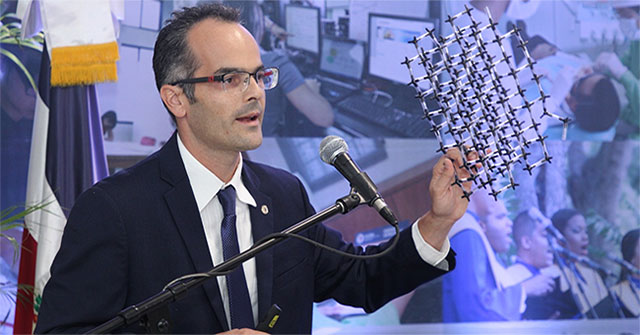
Scientists from the Dominican Republic published the results of a new study to verify the discovery of carbon, called Diamano.

The green bananas do, but they are real men.

Eating a lot of poultry meat, also called white meat, also raises bad cholesterol in the body, like beef.

The scary disease is a fungus called Candida auris, focusing on individuals with weakened immune systems, and in silence, they are spreading to every corner of the globe.
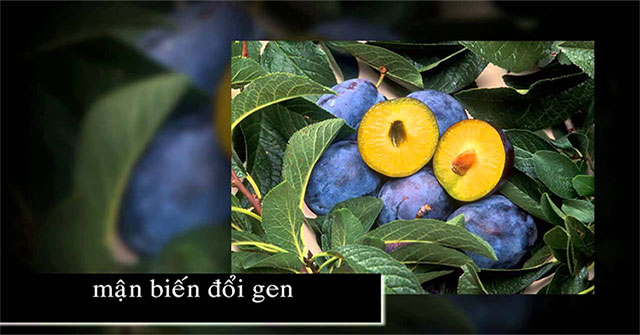
If the 21st century is considered an era of biotechnology, gene technology is a new 'superstar'.
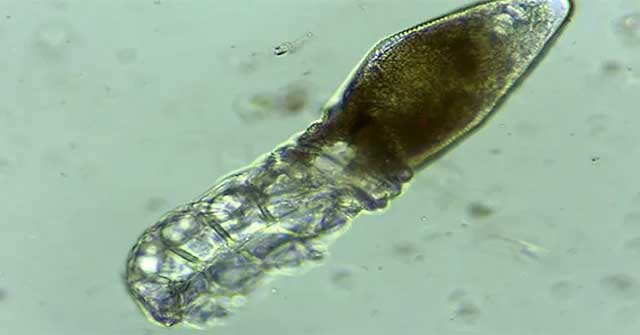
This parasitic creature is called 'tick face', resides in human facial hair follicles, eats sebum and oil produced to keep our faces from drying out.
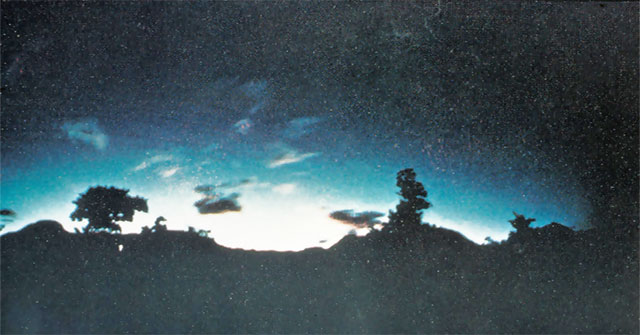
For centuries, scientists have recorded numerous reports of strange light phenomena that appeared before or during earthquakes. They call it earthquake light.

With a headset called TCAPS, soldiers can both protect their hearing and ensure communication with their teammates, especially identifying enemy positions by determining…

Most foods when deposited into space will be dried, then undergo a process called re-hydration rehydration.

The team of astronomers from the United States and Canada discovered the first super-diffuse galaxy called NGC 1052-DF2 (DF2 for short) with virtually no dark matter.

Scientists have finally deciphered the 60-year-old mystery called halo, which means that the halo appears scattered on the sea, in images taken from space.
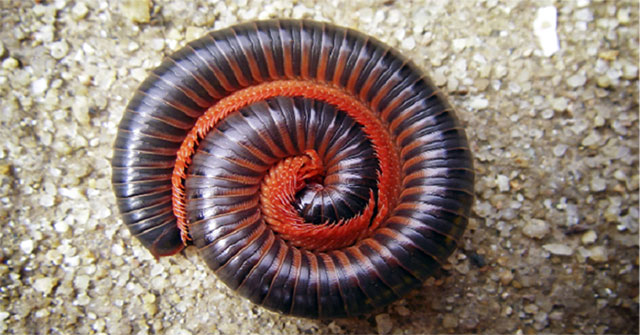
The slide - some places called 'centipedes' - are not worms and are not insects. Insects only have six legs, and obviously the mats have more legs than that. So how many…