
Medicine - Health
10 principles for not getting sick in the winter
The need to protect health when not being sick in the early winter is very necessary, especially the elderly and children with poor resistance.
Browse ScienceInfo articles and explainers related to Care.
681 published items.
The need to protect health when not being sick in the early winter is very necessary, especially the elderly and children with poor resistance.

You can improve your health in seconds by taking a deep breath when you're stressed, laughing if stressful, looking away from your eyes ...
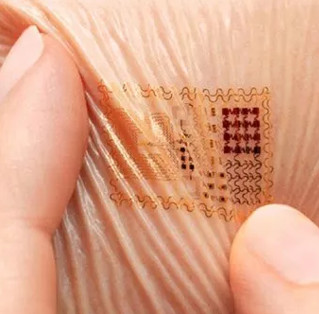
Does this open the door to a new debate about the privacy of every human being?

Bad oral hygiene can lead to blood clots and death, British scientists say.

The eyes are considered the most important and delicate part of the body, so it also requires careful and careful care.

In order to overcome stunting in children, a 4-group diet rich in nutrition is required, increasing oil and grease, food should be cooked to provide more energy.

The health of all humanity in the future may change thanks to useful initiatives.

On June 30, Cuba became the first country in the world to take measures to prevent the transmission of HIV and syphilis from mother to child in pregnant women.

Gum can make your breath cool, but if you chew for too long, for 10 minutes or more, can cause some problems in your teeth and stomach.

Teach your child not to try to pick up when things fall into the pond, only bathe in the chest waters, let children learn to swim from a young age ...

Researchers found that the phenomenon of pets spreading infectious diseases to hosts is in fact more common than we think.
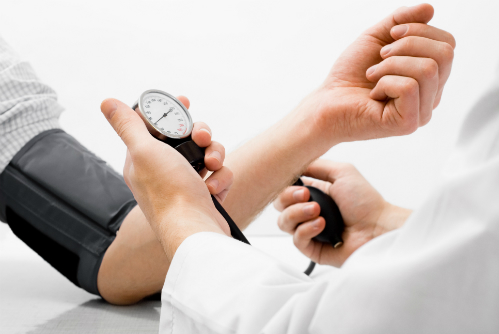
If you exercise, or eat salty, excess body fat, regularly take birth control pills ... can increase your blood pressure.

Do not let your baby drink ice made from uncooked water or impure water, enhance carbohydrates, fruits, milk ...
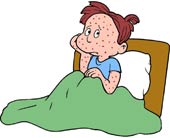
If not vaccinated, 80% of people will get chickenpox before the age of 20. Pregnant women with the first trimester of pregnancy may miscarry birth defects.

Eating four eggs a week could reduce the risk of type 2 diabetes by more than a third, according to a new study.