Space science
NASA announces the latest map of Jupiter
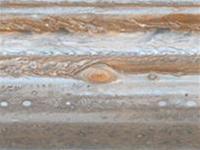
The US Space Agency (NASA) has released the most detailed color map of Jupiter captured by Cassini when it begins to approach this star on December 11 and 12, 2000.
Browse ScienceInfo articles and explainers related to Cassini.
127 published items.
The US Space Agency (NASA) has released the most detailed color map of Jupiter captured by Cassini when it begins to approach this star on December 11 and 12, 2000.
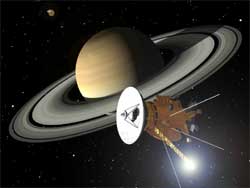
NASA said that last week, US and European Cassini space probes approached the surface of Dione, Saturn's satellite at a distance of 500 kilometers, revealing a frozen su…
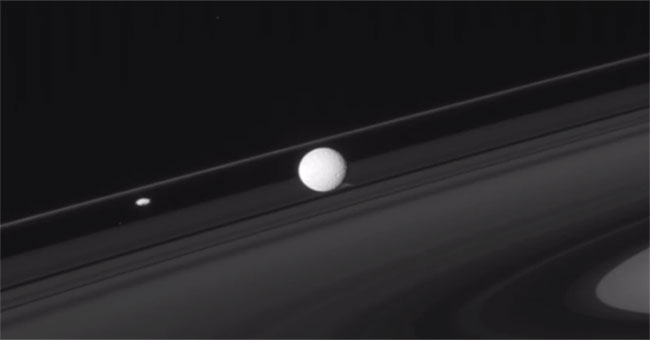
According to the Daily Star, the mysterious sound was recorded when the Cassini probe first flew around Saturn in 2004.

After 13 years of flying around Saturn and capturing beautiful images, NASA's $ 3 billion Cassini spacecraft will enter the planet's atmosphere and explode.
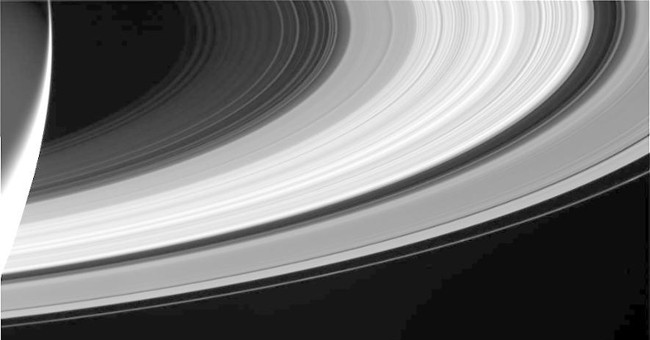
Cassini sent back to Earth the final images of Saturn before committing suicide this afternoon.
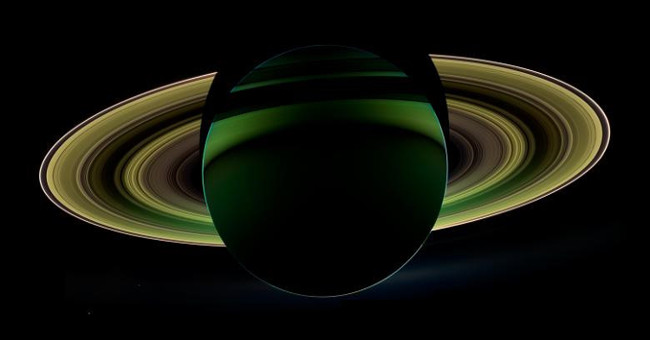
13 years flying around Saturn, NASA's Cassini spacecraft has recorded thousands of stunning images of this mysterious planet.
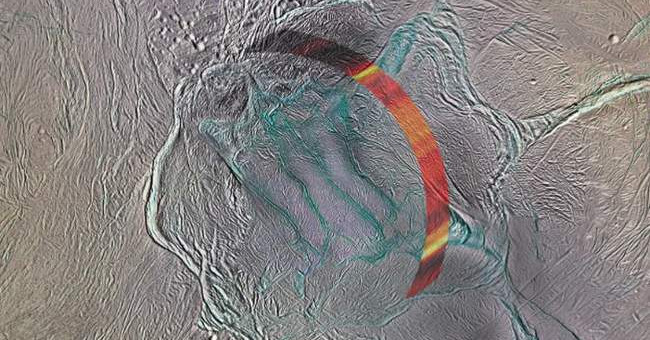
If it is determined that Saturn's moon Enceladus exists, this will be one of the greatest discoveries in human history.
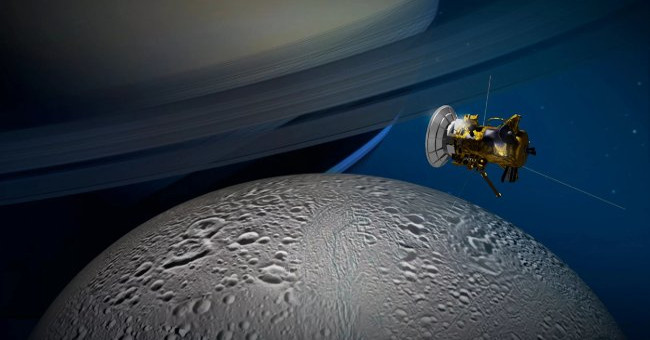
If it is determined that Saturn's moon Enceladus exists, this will be one of the greatest discoveries in human history.
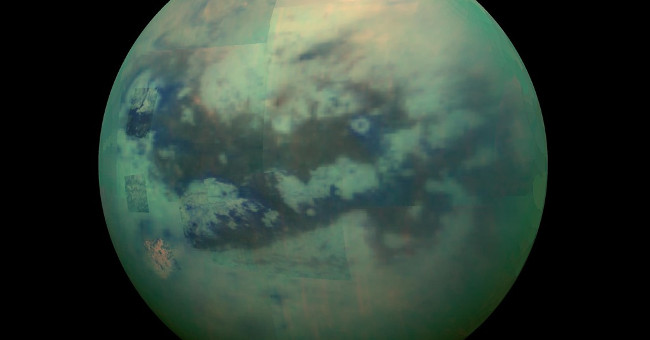
Upon landing on the imaginary surface of Titan, Saturn's largest satellite, in 2005, the Huygens probe discovered a strange world like ours.
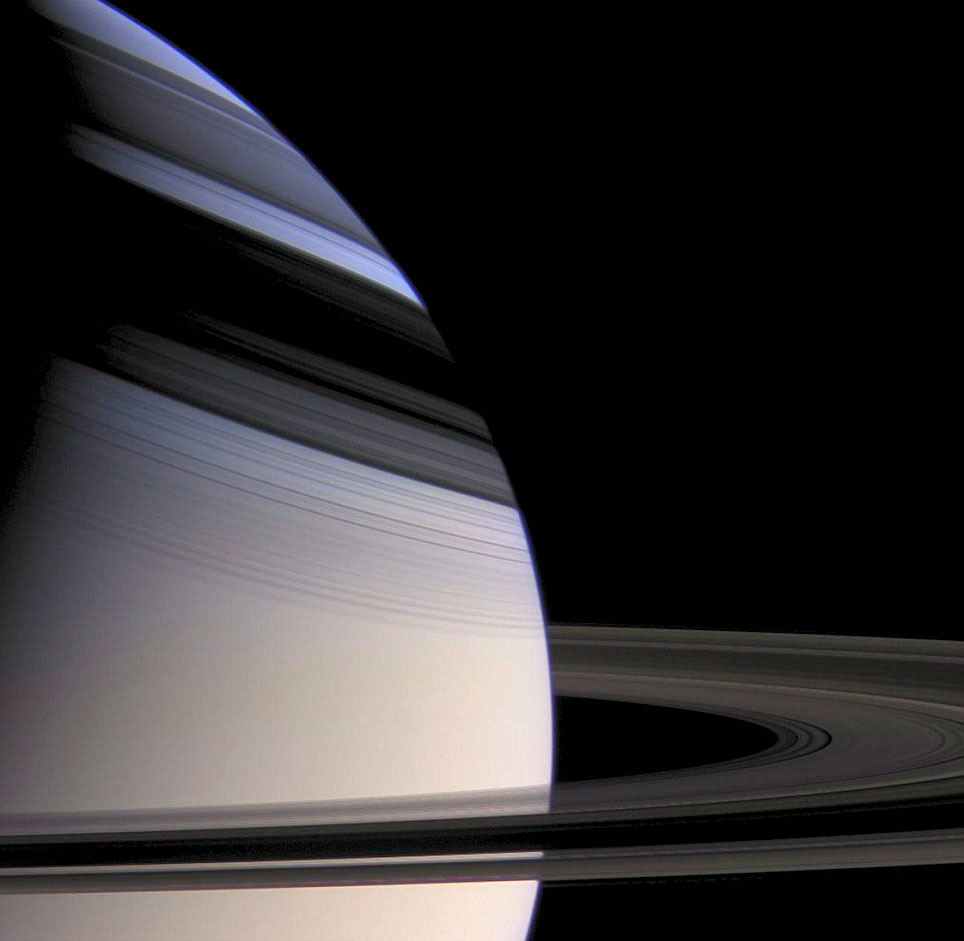
The Cassini space probe of the US Aeronautics Agency (NASA) captures stunning images of Saturn spinning among meteorites with water and dust. Newly published images show…
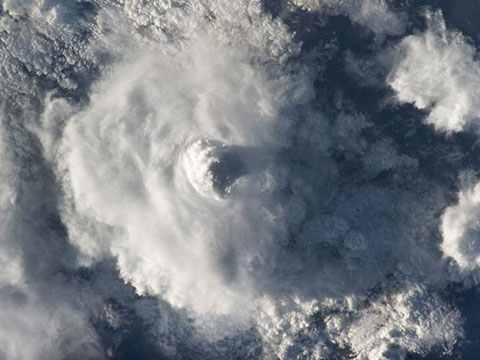
The appearance of a giant cumulus cloud in Colombia's sky is one of the most impressive astronomical scenes of the week.

The US Cassini probe has sent unique images of Saturn with belts that look new. In the past two months, Cassini has filmed and photographed Saturn from the top and botto…
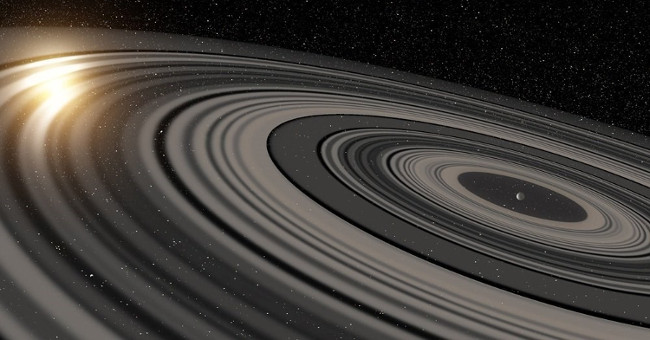
Saturn rings or rings of Saturn are always considered one of the most impressive wonders in the solar system.
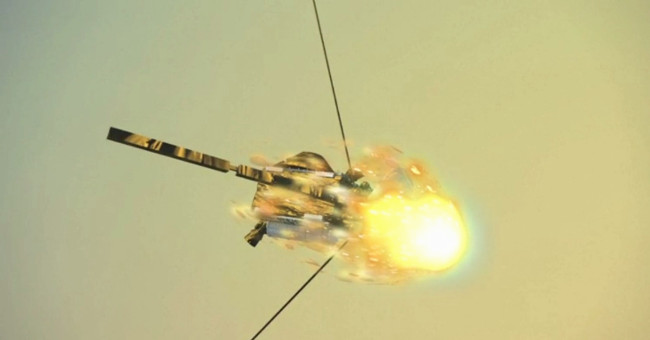
NASA's Cassini will permanently remain on Saturn during a suicide mission to prevent the moon from containing life from infection.
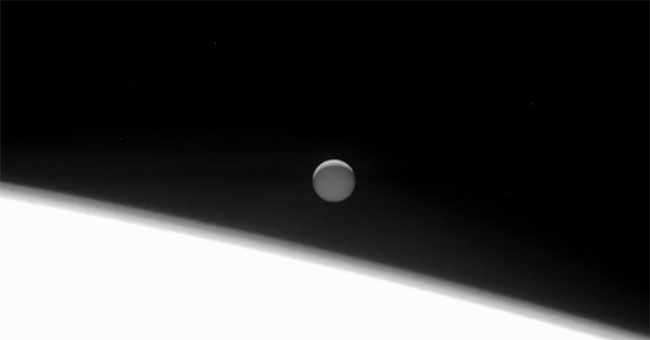
Few hours before plunging into Saturn's atmosphere and burning, the last Cassini was sent back to Earth.