Environment
Rising seabed will cause tsunamis
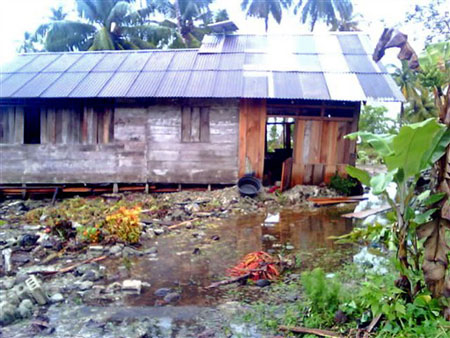
A tsunami is likely to occur if an earthquake causes the sea floor to move vertically.
Browse ScienceInfo articles and explainers related to Cause.
3,906 published items.
A tsunami is likely to occur if an earthquake causes the sea floor to move vertically.

A new study warns that greenhouse gas emissions will cause severe drought in large areas of the Earth over the next 30 years.
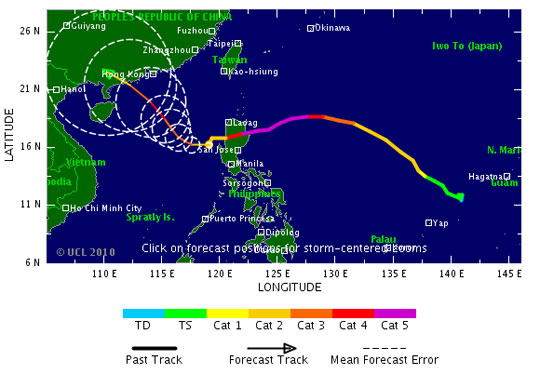
The northern provinces are influenced by the southwestern edge of the continental cold high pressure blade with a stable intensity and combined with the northern edge ...
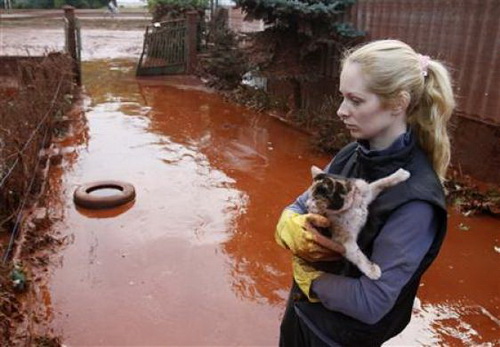
On October 5, the Hungarian government declared a state of emergency in the three western provinces after a reservoir of industrial waste broke ...
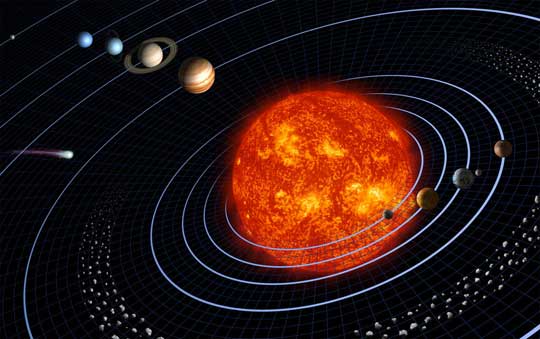
Scientists at the Royal Institute of Technology said that when the Sun's activity weakened, the Earth's temperature increased.
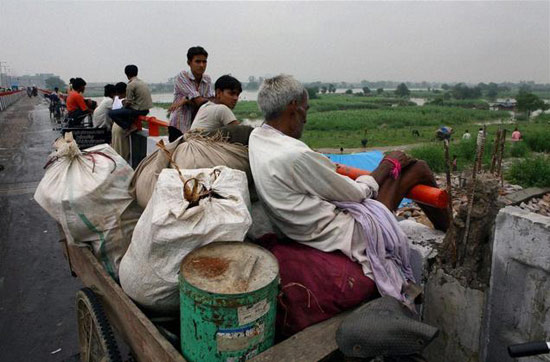
At least 10 people were killed and about 300,000 were evacuated due to floods and landslides after heavy rains in northeastern India. In Arunachal Pradesh and Assam stat…
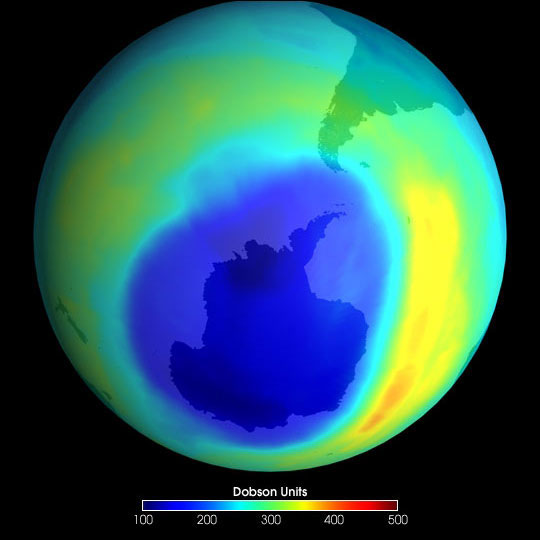
Along with many other factors, the recovery of the ozone layer can cause one third of Antarctica to melt.

Climate change is the main cause of extinction of mammoths, according to a recent study by scientists at Durham University (USA).
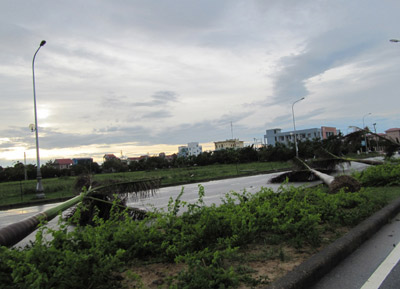
At 7 o'clock this morning, August 25, Nghe An Flood and Storm Control Board said that as of this time, 1 person died and 5 people were injured by the storm No. 3. Econom…
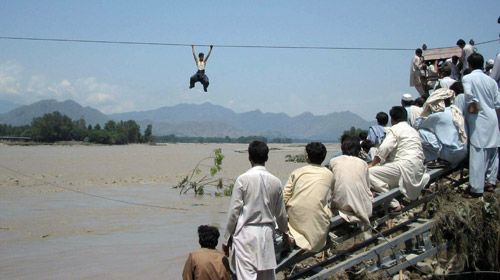
Floods in China and Pakistan have killed thousands. Hot weather over 400C caused serious forest fires that left dozens of people dead in Russia. Other record heat waves…

La Nina phenomenon is gradually forming in the Pacific region, will cool the air and cause heavy rain in Asia, including Vietnam.

The climate is heating up badly but it is also beneficial. Arctic temperature rise causes flooding in many areas, engulfing many coastal areas ...

Many people think that volcanic activity in Iceland will cause global temperatures to drop, but scientists claim it is unlikely.

During the Asian monsoon period pollutants are most strongly dispersed into the upper atmosphere, making them more lasting in the air and spreading globally.

Global warming can increase the number of dangerous geological events such as volcanoes, earthquakes and landslides.