Videos
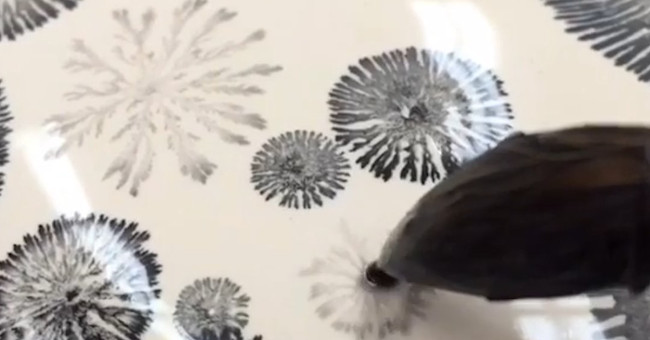
Video: Decorate beautiful ceramics with chemical reactions
The stunning designs of ceramics created with chemical reactions can surprise many people.
Browse ScienceInfo articles and explainers related to Ceramic.
114 published items.
The stunning designs of ceramics created with chemical reactions can surprise many people.
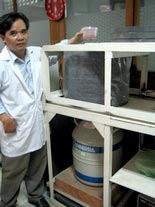
Recently, a measurement was carried out at Ho Chi Minh City Nuclear Center, confirming that some ceramic tiles have radioactivity levels exceeding the permitted limit. D…
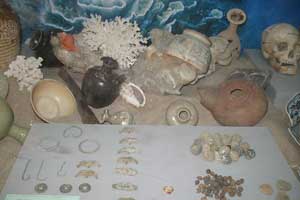
The number of artifacts salvaged from 10 shipwrecks, introduced by Ba Ria - Vung Tau Department of Culture and Information and Vietnam History Museum
Scientists from Silicate Department, Department of Chemical Technology, Hanoi University of Technology have successfully produced biomedical ceramic glass materials for…

With a passion for chemical research, Johann Böttger from an alchemist

According to the Daily Mail, the patch contains ceramic ice crystals (bioceramic), a compound that works to increase the temperature in tissues without using batteries o…
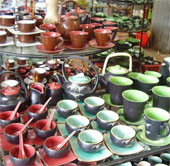
Lead in ceramics penetrates into food and drinks and enters the body, affecting the nervous system, blood, causing severe poisoning, even death.
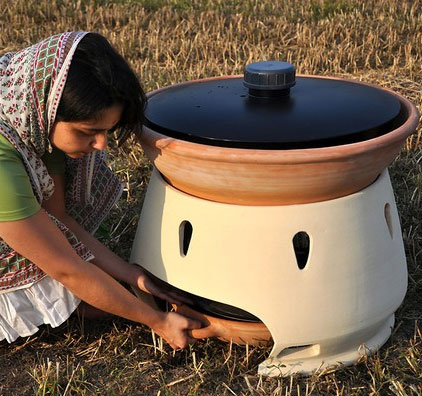
Stemming from concerns about a shortage of clean water in developing countries as well as a desire to create a device to purify salt water into inexpensive freshwater, d…

Up to 90% of the world's population has little access to basic products and services. Half of them, about 3 billion people, lack food, shelter and clean water. But parad…

Areas with small and isolated superconductivity exist within these substances at temperatures higher than previously known temperatures, according to a study by Princeto…
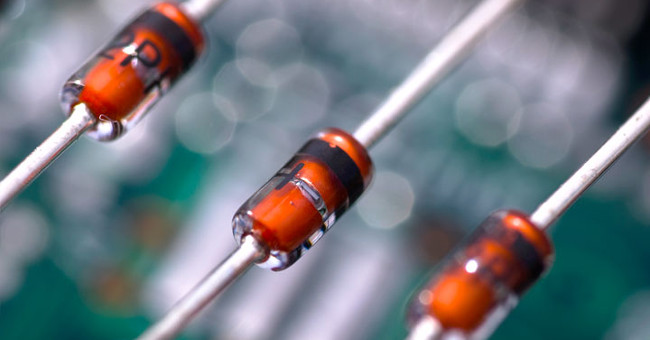
In 1911, for the first time, scientists discovered that conductive matter with a completely non-resistive feature called it a superconductor.

Inspector of the Ministry of Culture and Information in collaboration with the High-tech Crime Prevention Department (C15) has conducted unexpected inspections and disco…
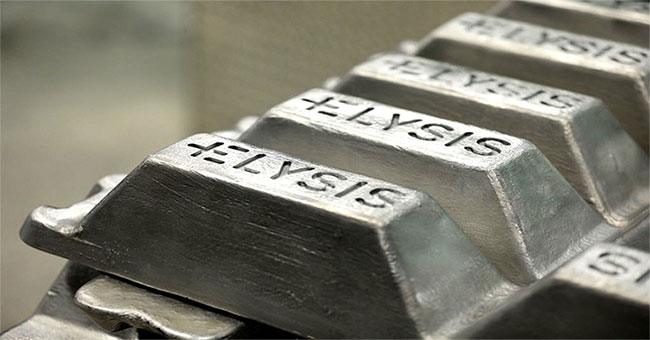
According to the new process, ceramics were used instead of carbon in the positive electrode. So instead of CO2 emissions, the reaction was given ... pure oxygen.

The US is testing PUU material, which allows for the manufacture of armor that can be proportionally proportional to the damage of bullets.

If this coating is applied to the aircraft sheath, we can solve the problem of durability for supersonic aircraft.