Medicine - Health
What kind of organs should be eaten
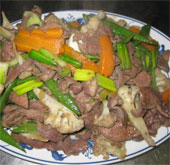
Today we eat less animal organs, even avoiding them for fear that they are not good for health. However, the liver, heart and tongue bring great benefits to the body.
Browse ScienceInfo articles and explainers related to Cow.
219 published items.
Today we eat less animal organs, even avoiding them for fear that they are not good for health. However, the liver, heart and tongue bring great benefits to the body.
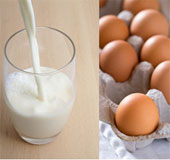
Cow, egg, fish, seafood, tree seeds, peanuts, soy and wheat are the culprits of up to 90% of food allergies.
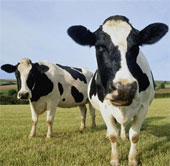
The water is more nutritious than regular water, scientists said.
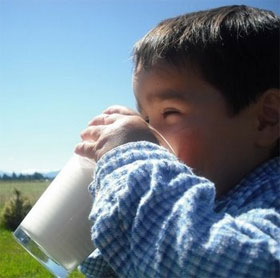
Nutrition from goat's milk is healthier and better consumed even for people with lactose intolerance.

A boy born with 2 life-threatening heart holes survived miraculously by a cow heart.
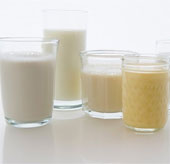
Dr. David Katz - Director of the Yale-Griffin Center for Disease Research and Prevention (USA) - recommends that consumers before choosing milk should consider based on…
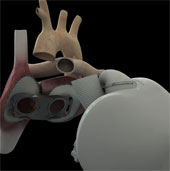
Artificial heart solutions are not new in the medical world, but instead of using artificial materials that can cause complications (such as blood clotting), the company…
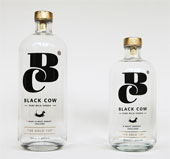
Mr. Jason Barber, 47 years old in the UK, is the first in the world to successfully produce vodka with fresh milk ingredients.
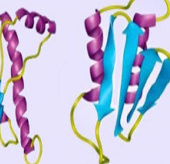
Prion protein is known as a disease-causing infectious agent
Whether you love or hate cow's milk, cow's milk is always a great source of calcium and vitamin D. Today scientists think they can exploit cow's milk to protect people f…

A new study shows that cow's milk is not suitable for babies because it is not nutritious enough for their development.

Soy has more protein than meat, more calcium than cow's milk, more lecithin than eggs. The essential amino acids that the body cannot produce are found in soybeans. Eati…

For years, milk is good for children's health and development. However, excessive drinking of adolescent milk may increase the risk of prostate cancer, US Journal of Epi…
A new study by Spanish and Moroccan scientists shows that a glass of milk may contain a mixture of up to 20 analgesics, antibiotics and growth hormones.
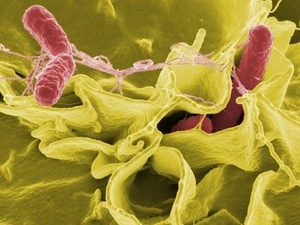
A completely new strain of Methicillin-resistant staph (MRSA) has been found in cow's milk and in the human body.