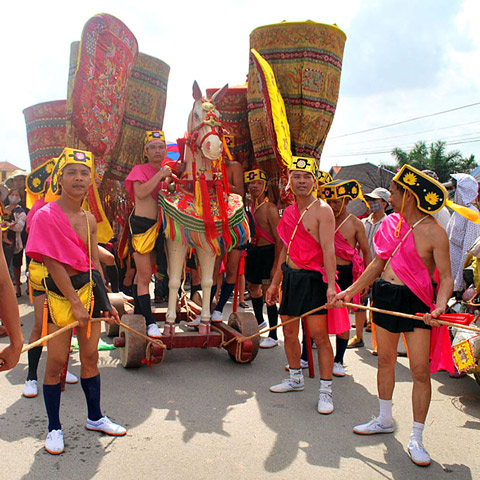
World Heritage
Hoi Giong is located at Phu Dong Temple and Soc Temple
Hoi Giong is a traditional festival of remembrance and praise of the victory of the hero Saint Giong, one of the four immortals of Vietnamese folk beliefs. The festival…
Browse ScienceInfo articles and explainers related to Cultural.
459 published items.
Hoi Giong is a traditional festival of remembrance and praise of the victory of the hero Saint Giong, one of the four immortals of Vietnamese folk beliefs. The festival…

Folk songs, while Nghe Tinh holds an important position in the spiritual and cultural life of the people of Nghe An and Ha Tinh provinces (referred to as Nghe Tinh for s…

The United Nations Science, Education and Culture Organization has recognized Wat Phou temple of Lao People's Democratic Republic as a World Cultural Heritage in 2001.

The United Nations Educational, Scientific and Cultural Organization (UNESCO) has warned Australia is pushing the Great Barrier Reef into a list of endangered World Heri…

The United Nations Educational, Scientific and Cultural Organization (UNESCO) announced on August 17 that it will conduct research on the impact of human noise on living…
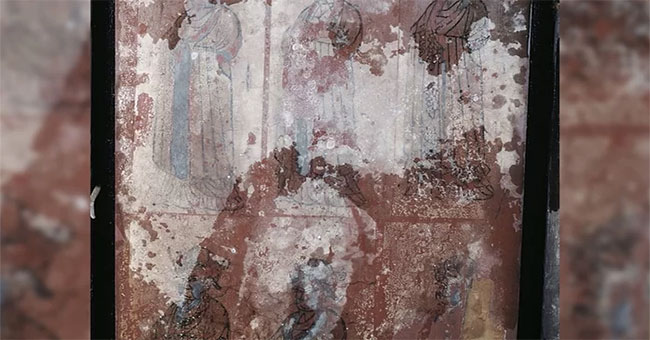
Well preserved skeleton of a nickname woman
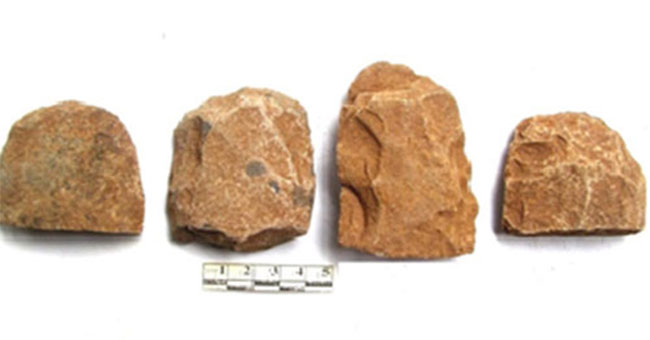
For the first time, Vietnamese scientists found the relics of the late post-Stone cultural inhabitants about 4,000 years ago.
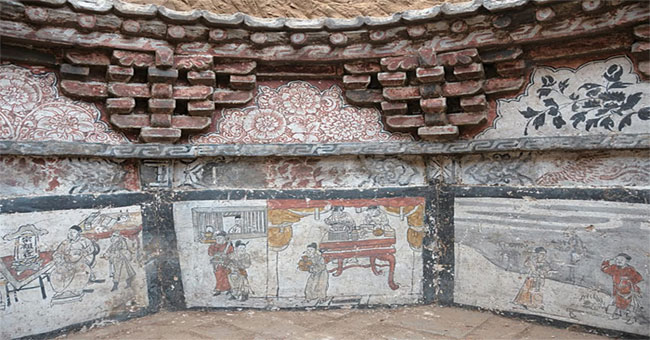
Archaeologists in Yangquan, China, discovered the octagonal tomb with a mural covered with frescoes dating back 700 years, when descendants of Genghis Khan ruled China.
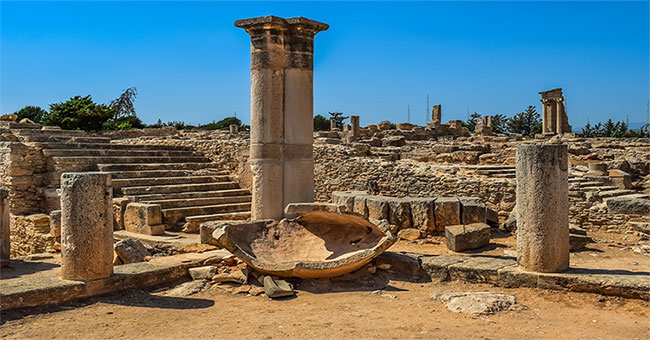
Peruvian archaeologists have discovered a mass grave of the ancient Inca civilization in the northern coastal region of Lambayeque.
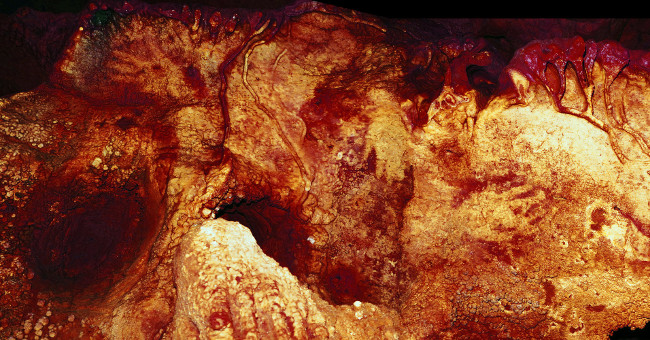
According to AFP news agency, the oldest cave art has been identified by new technologies by Neanderthals.
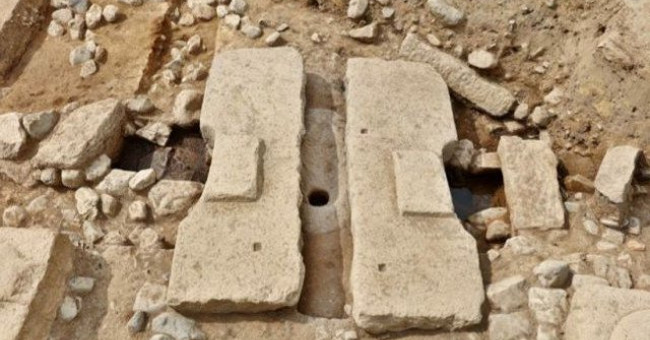
The Cultural Heritage Agency said the archaeological remains of a bathroom equipped with a flush toilet used in the Silla Kingdom dating back (57 BC to 935) have just be…
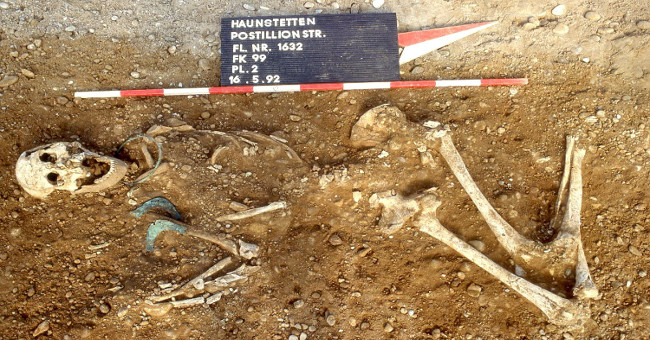
German archaeologists found that European women during the Bronze Age often traveled away from home and played an important role in spreading culture, while men were jus…
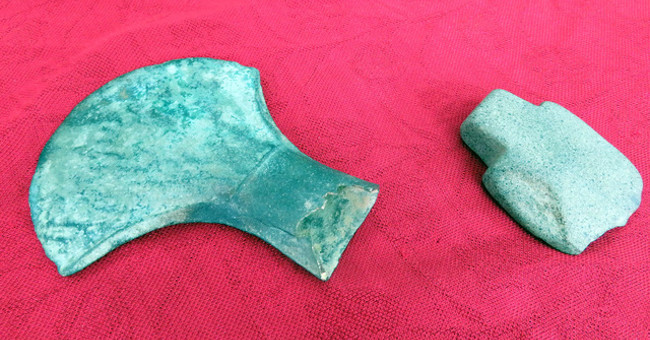
While making water ditches for rice fields, my family in Quy Chau and Nghe An districts discovered copper axes and stone axes dating from 2,000-3,000 years ago.
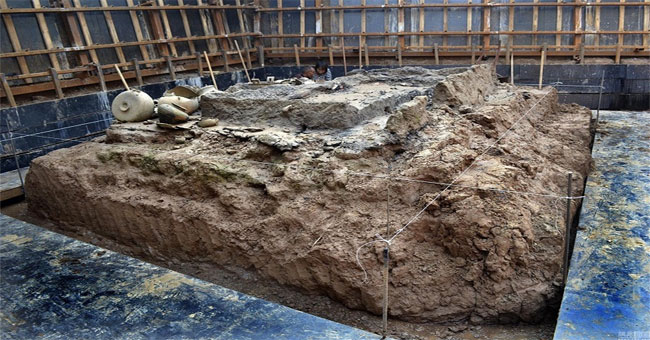
The Department of Chinese Cultural Heritage decided to close the box, moving a grave of ancient people over 2,500 years in Luoyang city to the laboratory.
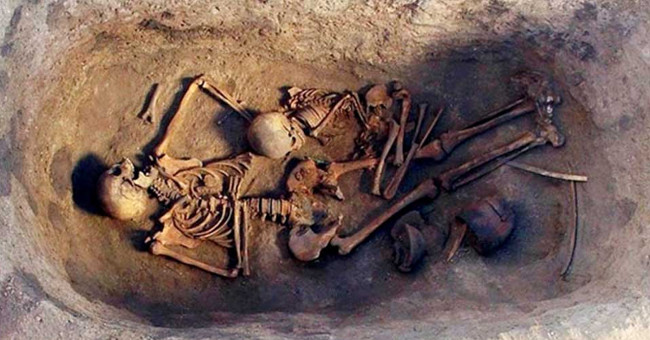
Scientists have discovered the tomb of a noble woman who lived about 4,500 years ago with many jewelry and costumes with 1,500 pearl beads and 100 pendants made from ani…