
Biology
What you need to know about the virus that has a 70% mortality rate in India
To date, there is no vaccine to prevent or cure Nipah virus infection. The disease has a mortality rate of about 70%.
Browse ScienceInfo articles and explainers related to Cure.
524 published items.
To date, there is no vaccine to prevent or cure Nipah virus infection. The disease has a mortality rate of about 70%.

A new study adds to the growing body of scientific evidence that covering yourself with a thick blanket can help you sleep better.
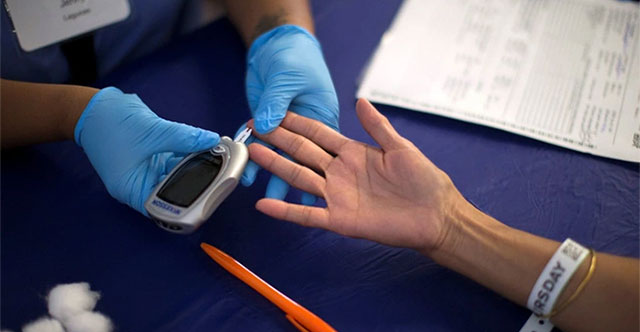
Less than 3 months after being treated for type 1 diabetes with stem cells, the patient's body began to produce insulin on its own.
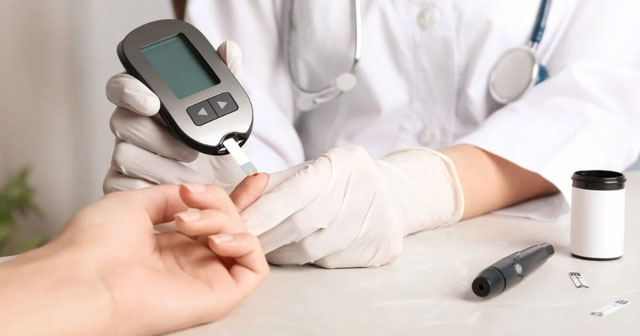
Chinese doctors bring a ray of hope to patients fighting diabetes with cell therapy.
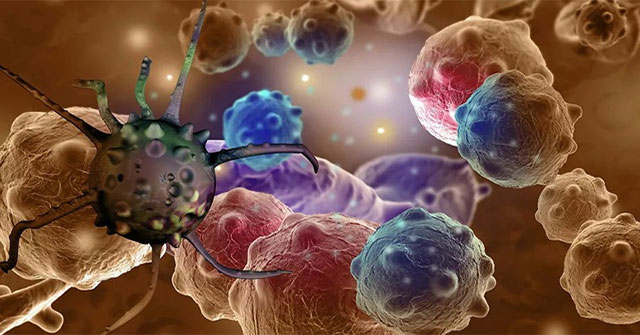
A groundbreaking new blood test that can detect more than 50 forms of cancer will be tested in 2021.
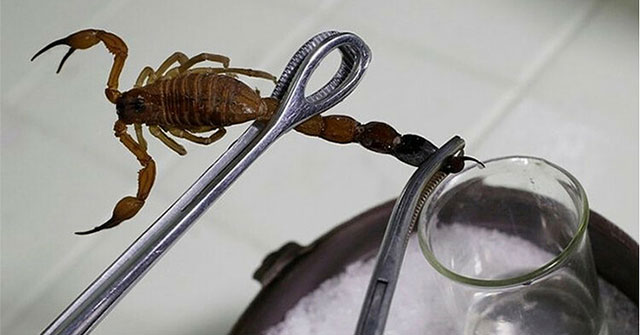
Many people with cancer tell each other to use scorpion essence to support treatment, is this true?

Lucas was diagnosed with brain stem glioma - a disease that is difficult to cure, but miraculously his tumor completely disappeared after treatment with medication.

India may soon launch a cancer cure for just $1. The drug is about to be tested on humans.
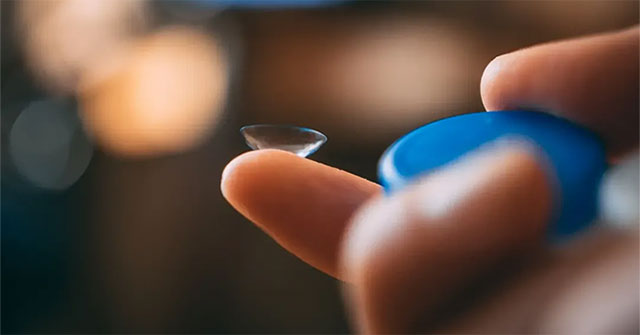
Recently, scientists have developed a contact lens that can detect and even cure cancer.

The ancient Romans were famous for some form of gory and macabre entertainment. In particular, the competitions of gladiators attracted thousands of followers. Even some…
Authors in Israel discovered how to regulate B white blood cells, which release antibodies against HIV, thereby helping to cure the disease after just one injection.
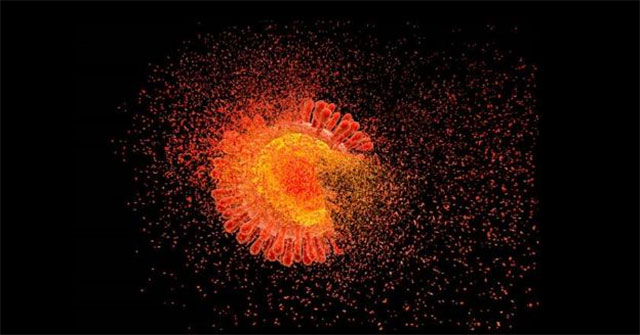
Israeli researchers have developed a new method that can neutralize HIV and developed an injectable drug that can cure HIV/AIDS.

Japanese smart eyewear company Vixion has invented an innovative glasses that can help wearers overcome both nearsightedness and farsightedness.
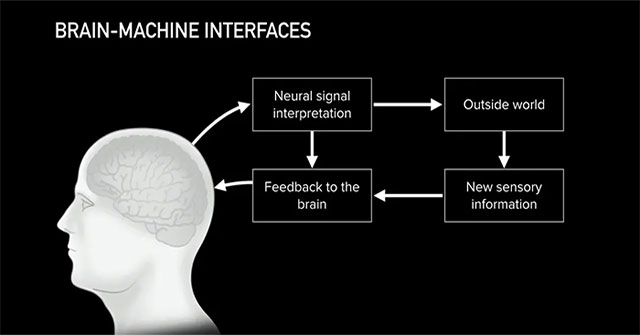
The human brain is arguably the most complex biological structure that has ever existed. Researchers in the field of neuroscience are expanding and making great progress.

Experts at the University of Washington have discovered an effective but decades-neglected stroke treatment thanks to the patient's genetic markers.