Space science
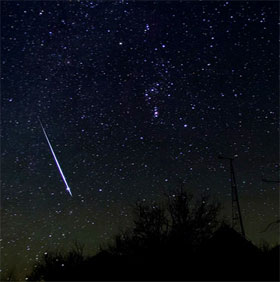
See Eta Aquarids meteor shower early next week
In the dawn of May 5, astronomers from all over the world can admire the meteor shower of Eta Aquarids.
Browse ScienceInfo articles and explainers related to Dawn.
122 published items.
In the dawn of May 5, astronomers from all over the world can admire the meteor shower of Eta Aquarids.
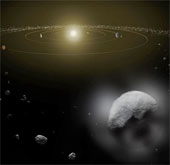
For the first time a telescope detected steam rising from Ceres, the largest dwarf planet in the solar system's asteroid belt.
Astronomers used the telescope in Chile to combine Hubble's power in orbit to observe the ancient trio of galaxies at the time of the new universe.
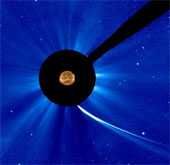
Professional and amateur astronomers around the world are trying to search the sky before dawn in hopes of finding the remains of the long tail belonging to the comet IS…
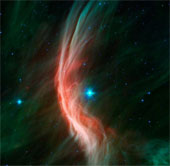
For the first time, scientists have obtained the sound of the deep universe, and it sounds like a chirping called the dawn of birds in the spring.
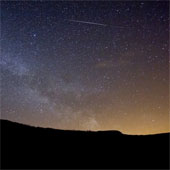
On the night of 21, dawn on April 22 is the maximum time of the Lyrids meteor shower, but Vietnamese astronomers will be hard to observe this phenomenon.
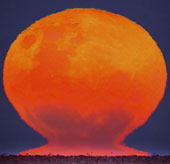
Looking at this photo, you will probably think this is a picture of the sun at sunset. In fact, this is the image of the Moon when it first appeared.
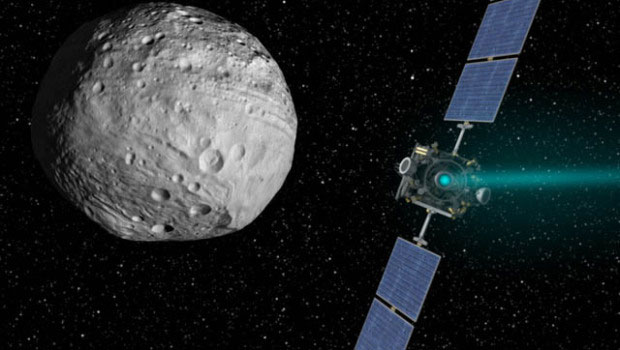
The US Space and Aeronautics Agency (NASA) said the probe Dawn was ready for the second mission, becoming the first spacecraft to orbit and study the dwarf planet Ceres…
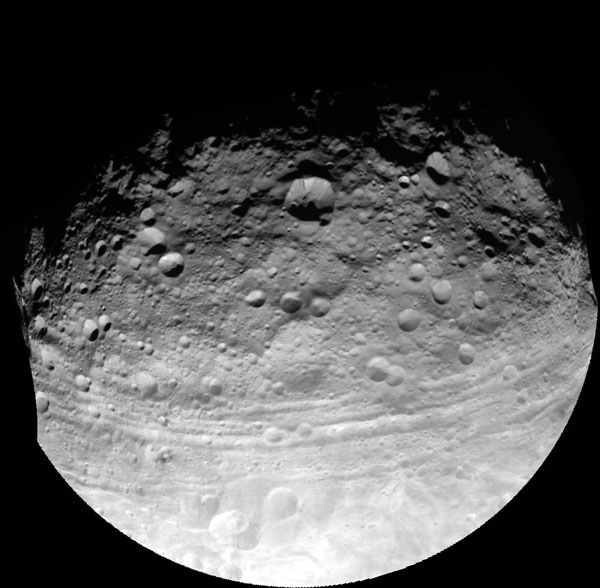
The new discovery shows that Vesta is not an asteroid but is a newborn planet exactly from Ancient times, but not undergoing accretion and evolution to join the ranks of…
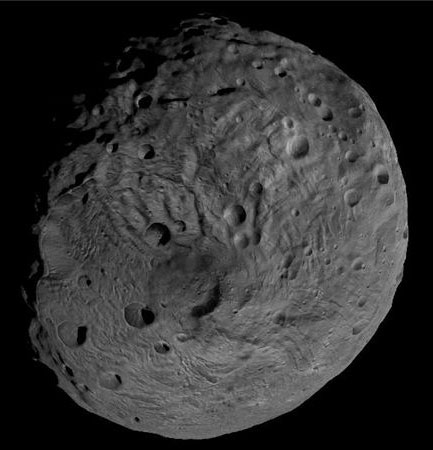
Vesta - one of the largest asteroids in the solar system with a diameter of nearly 530 km - has many characteristics similar to rocky planets like Earth, discovered by a…
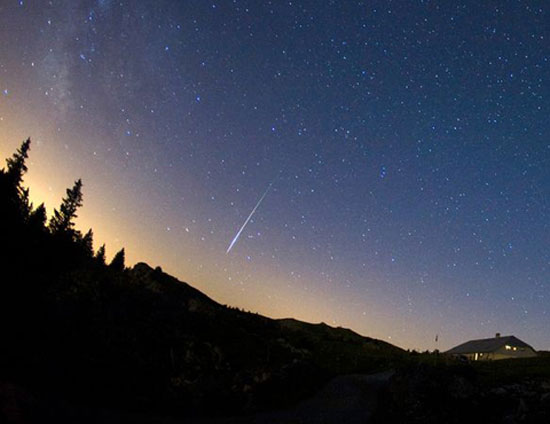
The dawn of the 13th and 14th is the peak of Perseids, the largest meteor shower of the year, but the weather in Vietnam is not favorable to observe this amazing phenome…
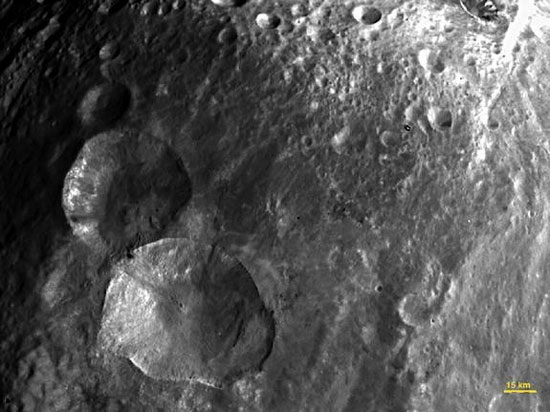
It seems that there is no existence in space, but Vesta's first images are clearly visible in front of us.
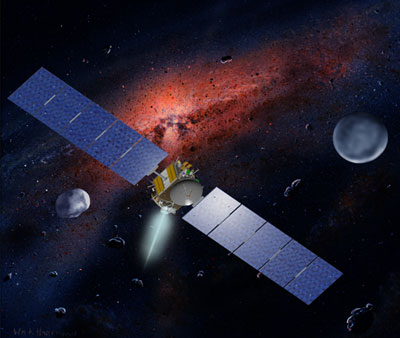
An unmanned scientific probe from the US Space Agency (NASA) recently went into Vesta's meteorite orbit, to discover the secrets of the formation of the Solar System.
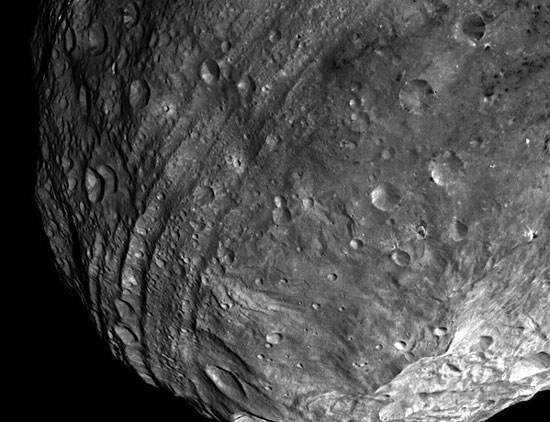
The first images of the asteroid vesta sent from the space probe Dawn were announced by the US Aviation Agency (NASA) on August 1.
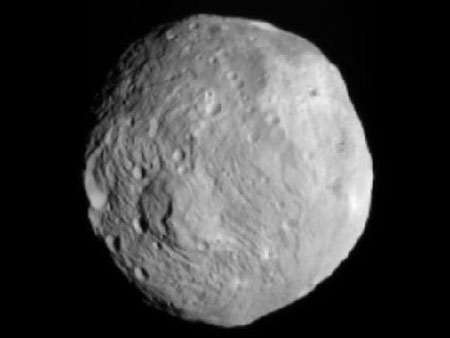
On July 16, NASA's Dawn (Dawn) spacecraft arrived in Vesta, a 330-mile (531km) asteroid with an gravity equal to 0.022 times that of Earth's gravity.