
Medicine - Health
Vitamin D may help prevent Parkinson's disease
Finnish scientists say that people with higher levels of vitamin D are less likely to develop seizure syndrome (Parkinson's).
Browse ScienceInfo articles and explainers related to Develop.
3,054 published items.
Finnish scientists say that people with higher levels of vitamin D are less likely to develop seizure syndrome (Parkinson's).
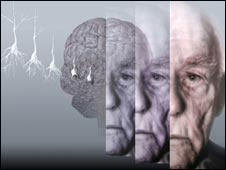
A new study shows that people with depression may double their risk of developing dementia later.

Students can become smarter thanks to a drug that stimulates a region of the brain - which controls the ability to absorb and remember

A recent study published in Eurosurveillance - France said eating a lot of live oysters is at risk of developing gastroenteritis caused by norovirus.

Artificial spleen - a medical breakthrough - has just been successfully developed by British scientists.

Men who have difficulty making fathers are three times more likely to develop prostate cancer than ordinary people, US data show.

This is a breakthrough medical discovery, which in turn can help find more effective treatments for the disease.

BioVex biotech company (USA) has successfully tested the vaccine animal in genital herpes (herpes 2).

A group of American and French scientists have discovered symmetrical substances of vitamin A acid that affect the body of vertebrates.

A recent study has shown that the notion that developing a baby's brain reduces a woman's memory is just a myth.

A recent study by American scientists has discovered a chemical molecule - called Hv1 - capable of controlling the speed of sperm movement.

Alzheimer's disease was early on because the mutated helicase function led to intolerable DNA sequences in cells.

People who drank two or more glasses of soft drinks per week were at higher risk of pancreatic cancer, a cancer that is uncommon but lethal.

Chinese researchers have developed stem cells into new blood vessels, replacing clogged blood vessels in the patient's heart.

Italian scientists have successfully developed a new method to regenerate breast tissue cells of breast cancer patients without surgery.