New technology
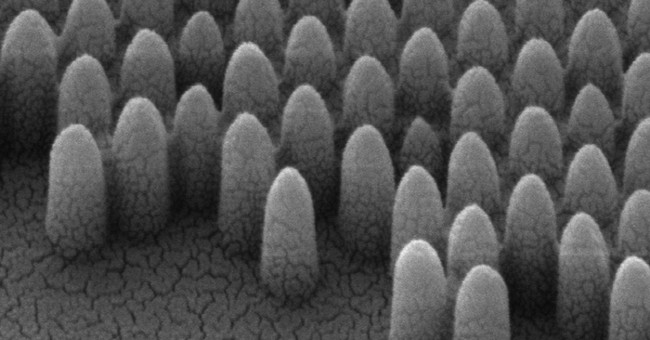
Moth eyes suggest researchers to develop self-glazing, anti-glare glass doors
Moths (his children) can indirectly cause long-term unemployment for glass-cleaning workers because of their reflective properties on their eyes.
Browse ScienceInfo articles and explainers related to Develop.
3,054 published items.
Moths (his children) can indirectly cause long-term unemployment for glass-cleaning workers because of their reflective properties on their eyes.
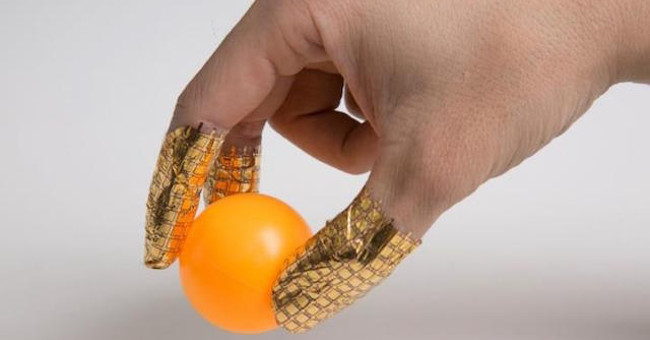
Although there are currently some types of pressure sensors that can be flexed, most of them lose accuracy when twisted and wrinkled.
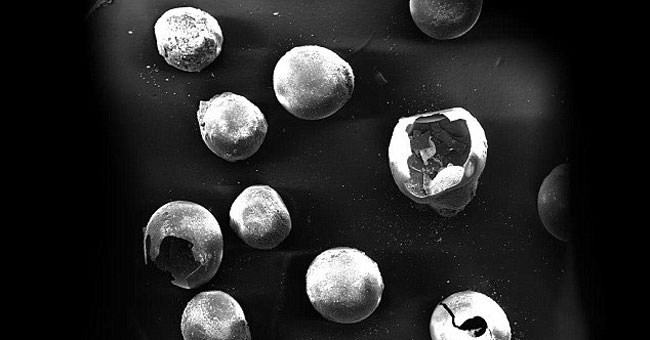
Scientists have sought to develop a structural coating of millions of tiny, hollow carbon globes, tightly packed into a single hexagon, made of carbonized sugar, which c…
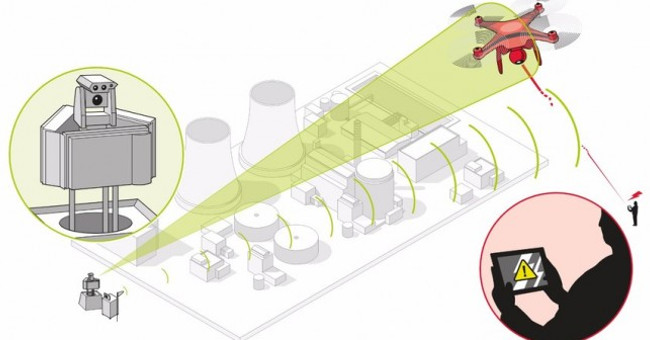
The Airbus Defense and Space Research Unit (Aerospace and Defense) has introduced an anti-drone system with a range of 5-10km.
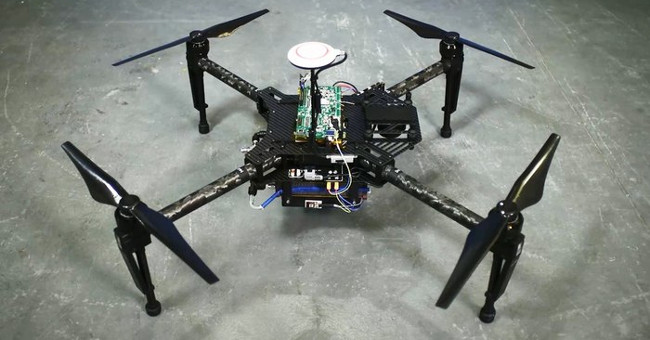
Intelligent Energy, a UK-based energy company, says it has successfully developed a new division for drone, allowing it to operate for hours on fuel cells.

Scientists at Rice University in Texas have successfully developed a semi-solid, semi-solid material that can restore itself to its original state if it is cracked or pu…
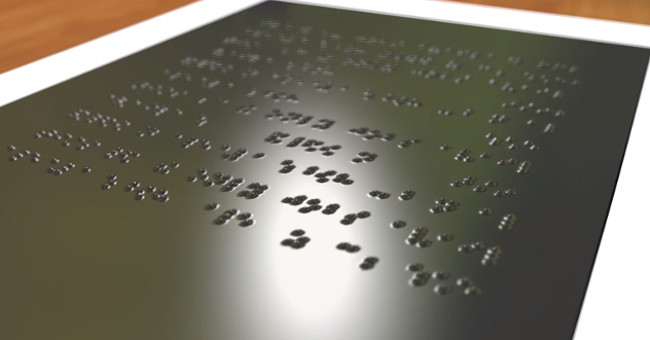
With this special display type, the visually impaired can use a smartphone, tablet or any touch screen device.

A Japanese company recently developed a device that helps people understand their pets by helping them read their thoughts or emotions.
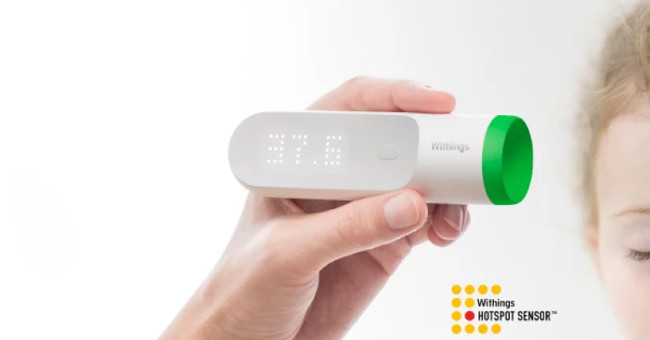
Withings Thermo is a modern thermometer introduced in CES 2016, using Wi-Fi networks and sensors to measure temperature.

Chinese scientists have found a way to produce stealth materials on a large scale and at a cheaper cost.
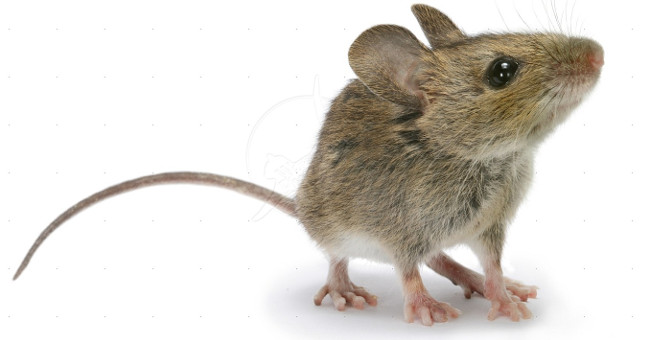
By inserting microchips into the rat brain, Russian scientists are working to create a machine that can penetrate the most solidified platforms and sniff explosives.
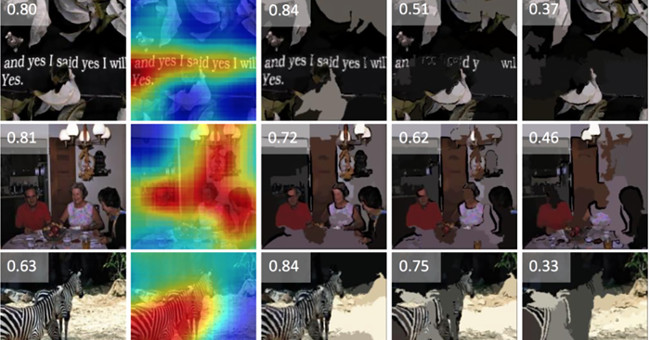
This is an online tool based on the artificial neural neural network developed by the team at MIT with the ability to determine exactly which part of the image is easy t…

A group of Chinese scientists developed a micro-detector that allows to see through clothing or some paper and cardboard materials.

US researchers are developing a tool to track users' hoops to gauge their emotional state.

Machines will be smarter when you can see and comprehend things around.