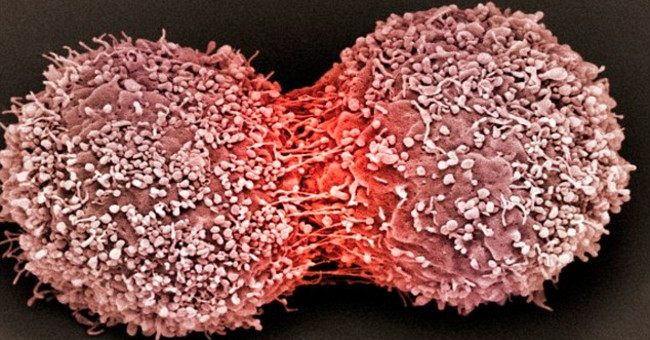
Cancer
3 golden rules stop tumor formation in the body
Cancer cells are always latent in each of our bodies but it is controlled by a healthy immune system. To prevent it, strengthen your immune system with 3 tips.
Browse ScienceInfo articles and explainers related to Diet.
618 published items.
Cancer cells are always latent in each of our bodies but it is controlled by a healthy immune system. To prevent it, strengthen your immune system with 3 tips.

Young girls who consume fast food such as burgers and fries are likely to have pre-menopausal breast cancer.

Due to a bad diet, a bowel cancer crisis is happening among young people. This number is 4 times higher than the previous decade.

Recently, a new study in the US showed that people with constipation are more prone to kidney disease or kidney failure, diseases related to intestinal health and many o…

After surgery and chemotherapy for cancer, besides using drugs, patients need to comply with psychological, food and movement therapy to help prevent and relapse.

Thanks to not eating animal milk, geochemist Jane Plant (England) overcame cancer despite recurring 8 times in 30 years.
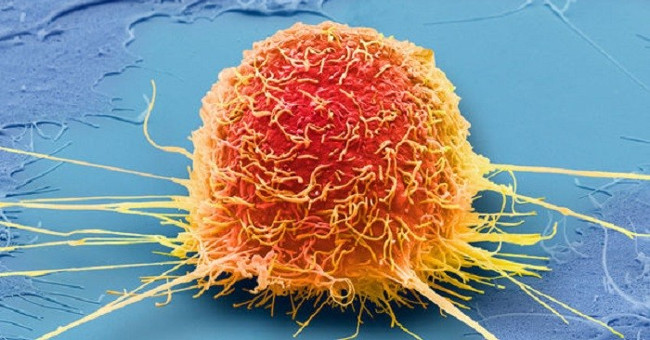
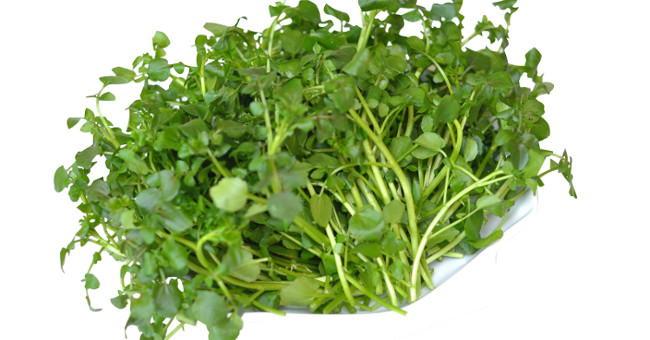
According to a new study, eating watercress everyday can help you fight cancer.
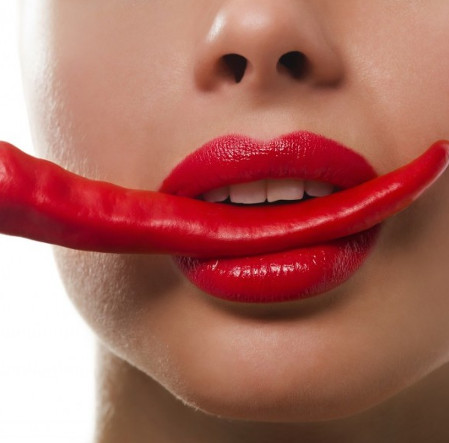
Eat less beans, less salt and vinegar, seasoning with spices like garlic, ginger, lemon ... help prevent cancer.
Have you ever wondered what cancer really is? Let's find out the solution through the article below!
Since being selected as Breast Cancer Awareness Month, every October is also the month that health experts call people to
Estrogen hormones are found in milk and other dairy foods that may promote tumor growth, the researchers said. This is the first study to show a strong link between dair…

The high concentration of fat and cholesterol in a typical American-style diet plays an important role in the development and spread of breast cancer.

According to a recent study, along with quitting, having a soy-rich diet helps reduce the risk of lung cancer in men.

Older women who use multiple multivitamins are more likely to develop breast cancer than those who do not.