
Discover science
On the human body has many holes?
If you only pay attention to your eyes, nose, ears, genitals, you can say it right away: men have 8, women have 9. However, think a little more, maybe the body also has…
Browse ScienceInfo articles and explainers related to Distribution.
82 published items.
If you only pay attention to your eyes, nose, ears, genitals, you can say it right away: men have 8, women have 9. However, think a little more, maybe the body also has…

In the country of Guatemala today, every year, the entire Tikal city area of the ancient Mayan people suffered from droughts, without a single drop of rain within 4 mo…

A new study shows that millions of intracellular receptors are not randomly scattered, but the distribution has rules.
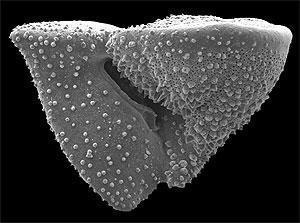
New evidence discovered by oceanographers is a challenge for one of the oldest theories about the evolution of marine animals.

Using one of the fastest supercomputers in the world, scientists have simulated the mysterious distribution of matter in galaxies.
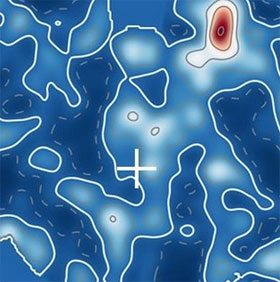
Astronomers at the University of Waterloo have compiled the universe map around us in 3D with the greatest detail ever.

This finding helps researchers have a better view of a missing model in the universe.
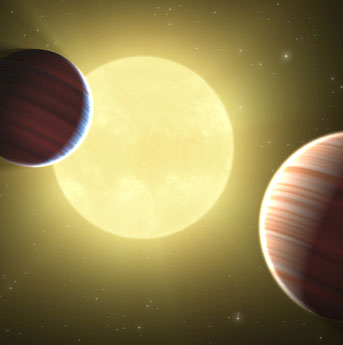
German astronomers have found a planetary system with a solar system-like distribution, with rocky planets on the inside and gas planets on the outside.

After conducting an image analysis of 20 star clusters outside the galaxy, the international team of scientists identified the distribution of dark matter in the univers…
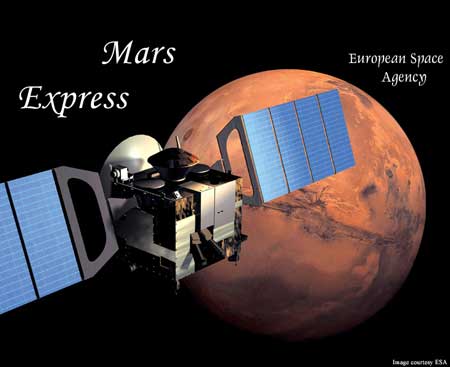
For the first time, European scientists discovered steam and ozone, and drew their distribution maps in the atmosphere of Mars, the Red Planet.
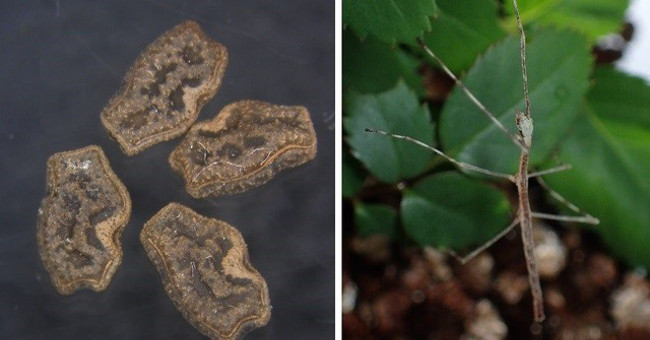
For a long time, the widespread distribution of rod bugs from the mainland to distant islands confused the scientific community.
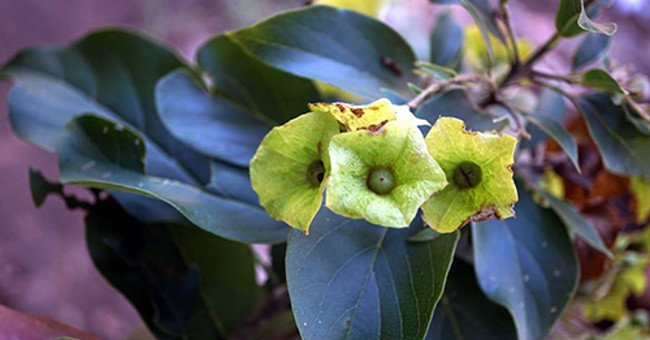
Scientists have discovered the new distribution of Vietnam's endemic plant species in Nui Chua National Park (Ninh Thuan).

Three-sided oak was discovered in Vu Quang National Park (Ha Tinh) with over 300 individuals.
Vietnamese scientists have discovered a new species of pine, never known in the world.
Scientists often assess the effects of temperature on insects to predict how climate change will affect their distribution and diversity.