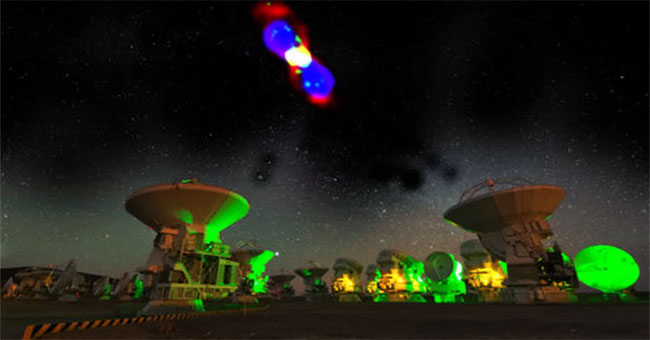
Space science
Strange radioactive molecules found in space are amazing
For the first time, scientists have discovered a radioactive molecule in space and it comes from an ancient stellar explosion.
Browse ScienceInfo articles and explainers related to Explosion.
711 published items.
For the first time, scientists have discovered a radioactive molecule in space and it comes from an ancient stellar explosion.
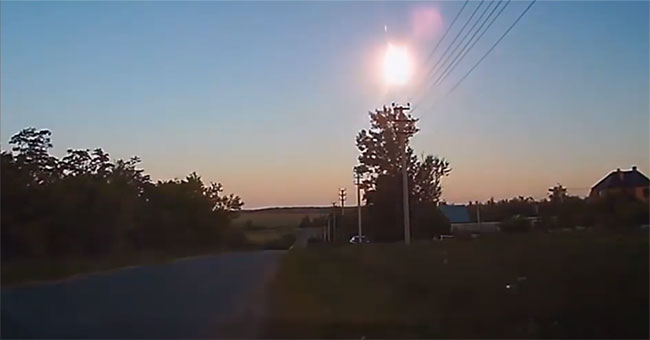
The meteorite exploded with a 2.8 kiloton energy, creating a brilliant fireball in the daytime, visible in many Russian cities.
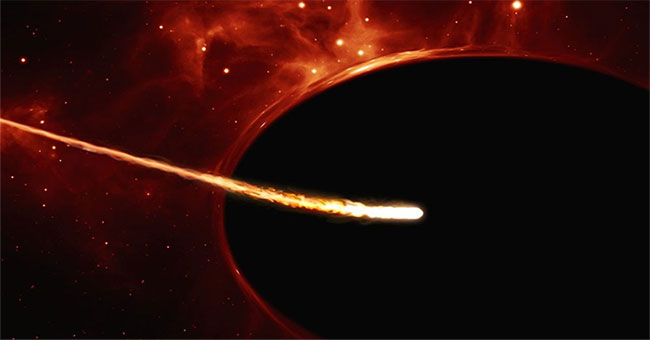
Despite the decades of research, what is gained about cosmic black holes remains just as salty as the potential for knowledge provided by them.

Scientists say that the Earth is experiencing the sixth mass extinction event due to human activity.
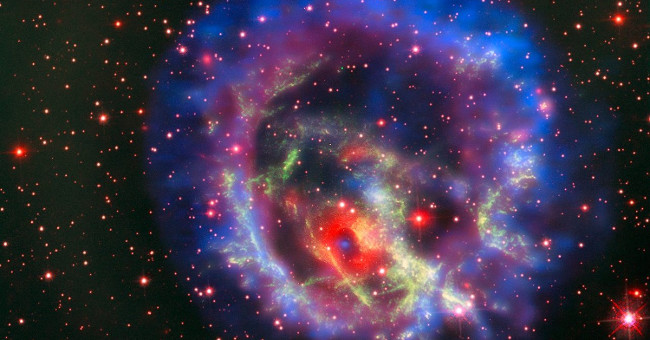
The new neutron star has been identified as a rare star, has a low magnetic field and has no companion with any star.

The collapse of supergiant stars or collisions between two white dwarfs can lead to the formation of supernovae.
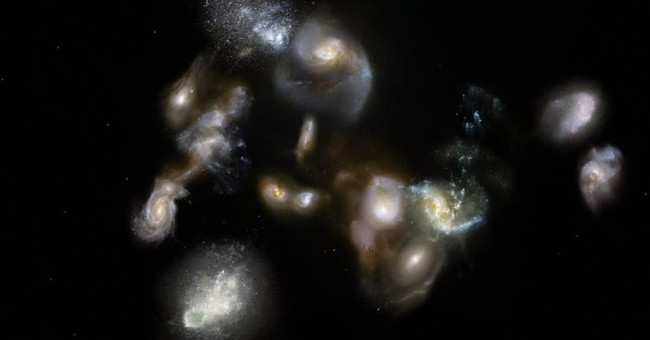
By looking at the ancient past of the universe, the researchers found collisions beginning about 1.5 billion years after the Big Bang, much earlier than originally antic…
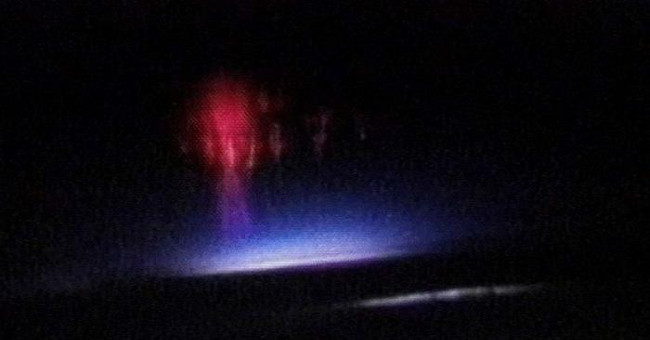
While gamma-ray bursts occur quite frequently and can be observed every day, this observation is almost impossible.
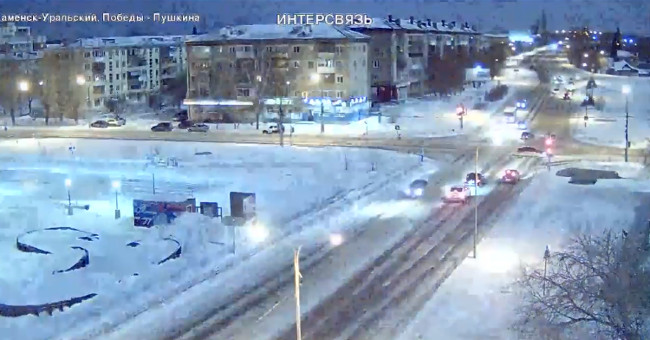
Many residents in the Urals mountains, Russia, reported seeing a blazing fireball lighting up the night sky before making a loud bang.
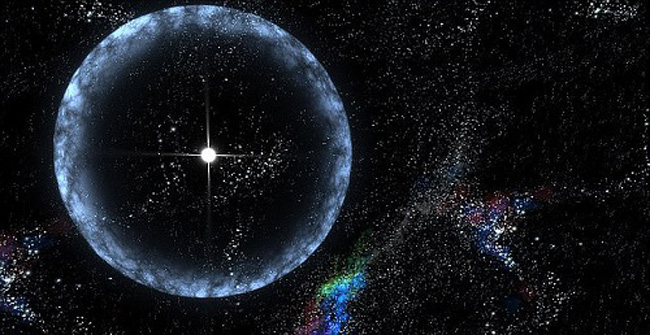
Fast radio bursts (FRB) are one of the most mysterious and compelling phenomena with energy coming from deep in the universe.
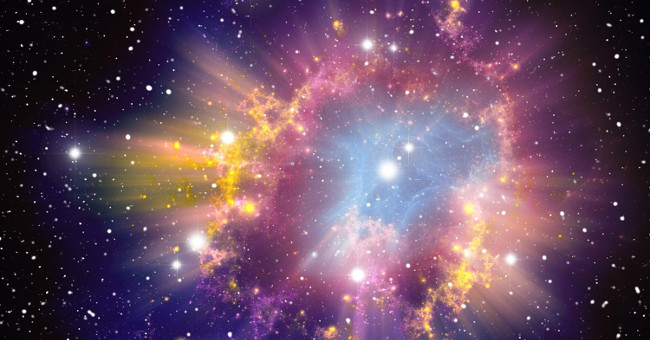
Astronomers first discovered super-bright supernova explosions about a decade ago.
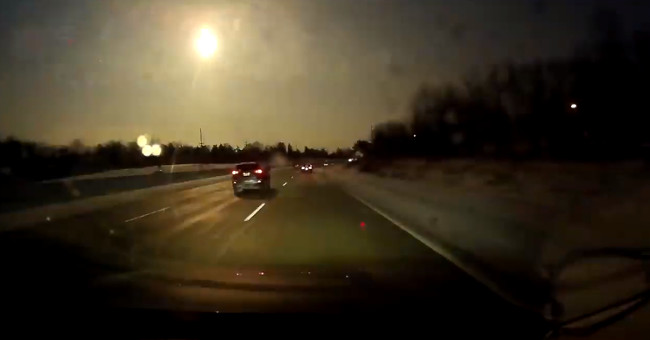
When meteorites plunged down, many people saw bright light shining in the sky with a loud sound and the earth shaking.
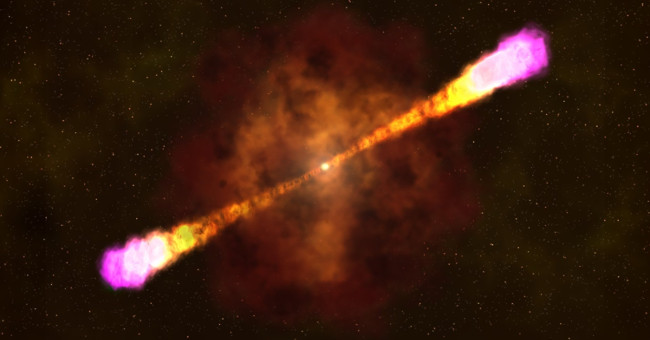
An international group of scientists from the US, France, England and Sweden first created a miniature version of the laboratory of a gamma ray explosion.
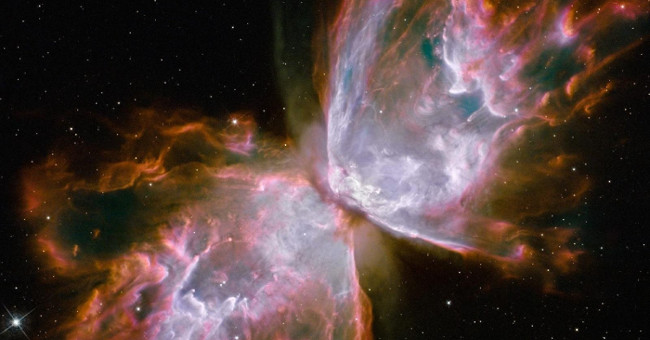
Cosmic rays come from supernova explosions and the Sun's magnetic activity affects the weather on Earth.
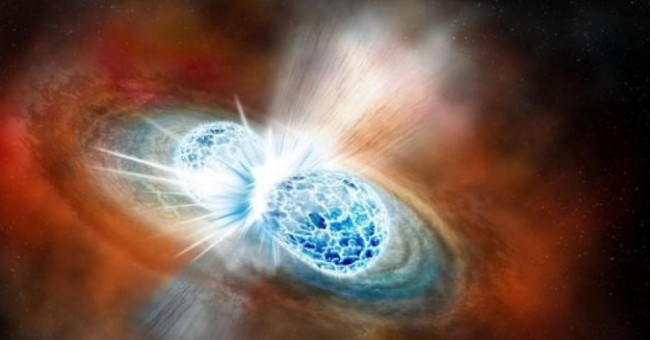
Experts say the explosion that occurred 130 million light years ago generated about half of the universe's gold, platinum, uranium and mercury.