Animal world
Discover a new species of gecko
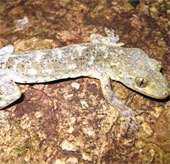
A species of gecko belonging to the genus Gekko has just been published based on the specimen collected in the limestone mountains of Cao Bang province (Vietnam) and Qua…
Browse ScienceInfo articles and explainers related to Gecko.
107 published items.
A species of gecko belonging to the genus Gekko has just been published based on the specimen collected in the limestone mountains of Cao Bang province (Vietnam) and Qua…
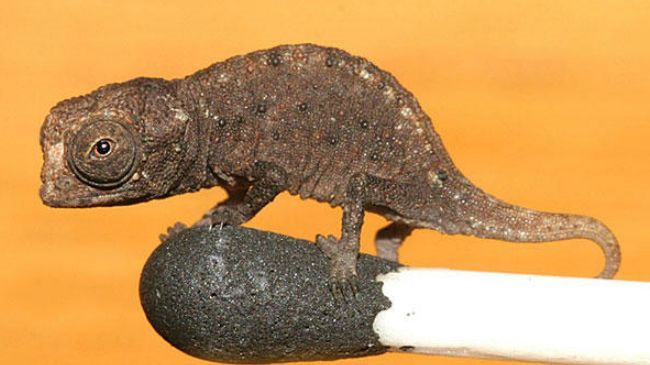
German scientists have discovered four species of tiny chameleon that reside in Madagascar, of which the smallest species - Brookesia micrac - is found only on the small…
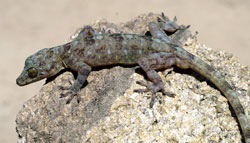
A new species of gecko discovered in Khanh Hoa province has just been published in Zootaxa magazine. Accordingly, this gecko is similar to the Gekko canaensis rock gecko.
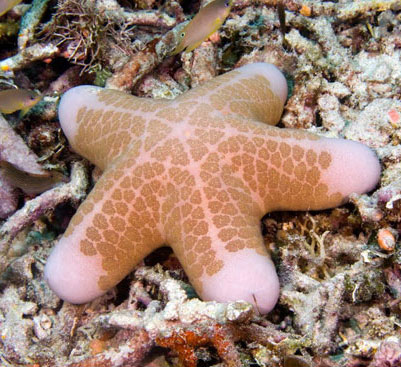
We humans can only regrow lost fingers or legs. However, many animals have the ability to be more miraculous, reproduce even the whole body after being injured ...
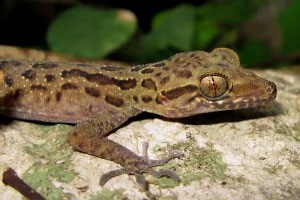
Within the framework of the research cooperation program between the Institute of Ecology and Biological Resources (Vietnam) with the Paris Museum of Natural History (Fr…
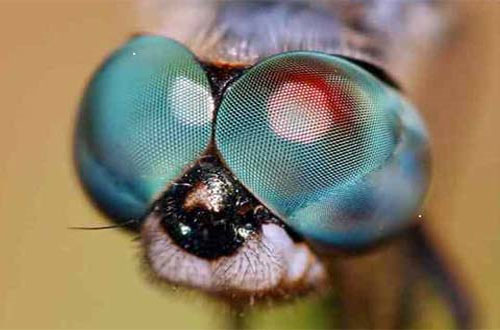
According to scientists, the eyes of animals evolved about 540 million years ago as a simple light detector.
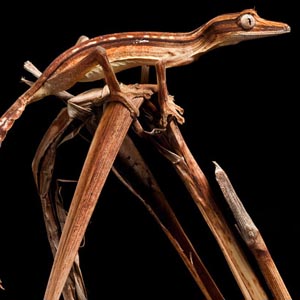
To defend themselves from the fierce enemy, many animals have possessed an extremely delicate and ingenious masquerade instinct. Without eyesight, you can hardly recogni…

Researchers from the Institute of Ecology and Biological Resources and colleagues at Cologne Zoo (Germany) have discovered a new species of gecko in the cave of limeston…
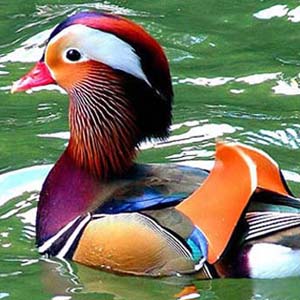
In the natural world there exist some exotic animals, with completely different colors and sometimes more colorful than the same species.
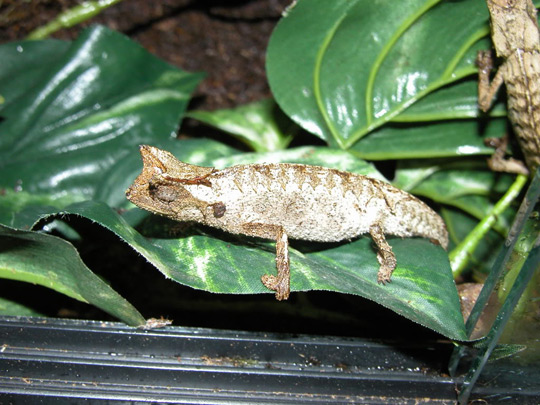
Two brothers photographer Will Burrard-Lucas and Matt Burrard-Lucas happened to discover a chameleon about the size of a fingernail at Amber Mountain Park, Madagascar.
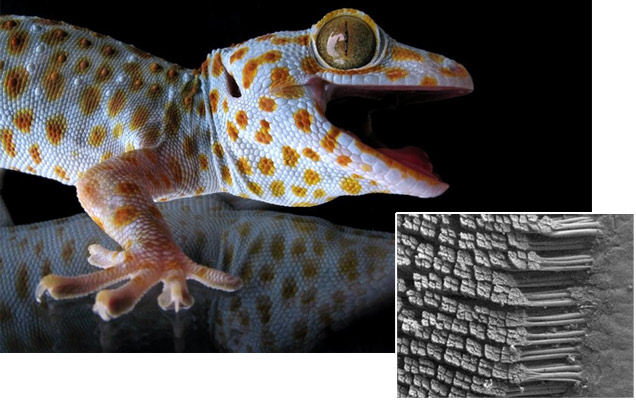
Humidity makes geckos climb faster by making tiny hairs on their legs stick together.


Animals such as octopus, spiders, geckos are thoroughly utilizing the ability to change body color to hunt, evade enemies and attract mates.

The name of this species is named after Prof. Le Xuan Canh, Institute of Ecology and Biological Resources.

Dr. Ngo Thai Lan, lecturer of Faculty of Biology, Hanoi Pedagogical University 2, has recently discovered a new feature on reproductive species of precious and rare amph…