Medicine - Health
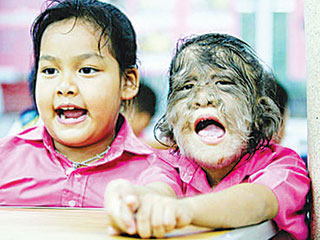
The gene mutation turns people into 'wolves'.
Scientists have discovered a genetic mutation causing confusion that causes some people to become
Browse ScienceInfo articles and explainers related to Hair.
686 published items.
Scientists have discovered a genetic mutation causing confusion that causes some people to become

In addition to the popular skin care methods such as using lotion, masks, ... beauty equipment using advanced technology seems to be quite new to many women. These state…

The tiny hairs of a marine creature in the near future will help surgical surgeons recover muscle tissue quickly for patients.
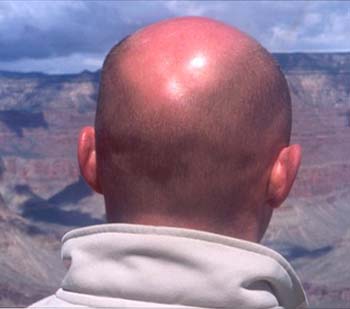
American experts claim to have discovered what they believe is the deepest cause of male pattern baldness.
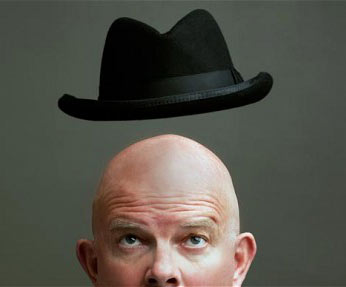
Scientists hope to make the scalp of bald people grow back like hair in spring.

Scientists at Canada's University of Western Ontario have discovered that chronic stress can increase the risk of heart attacks.

The sound is too loud from the MP3 player, which will stimulate excessive hair cells in the ear, causing temporary hearing loss.

Early hair loss can be good for men, the US scientists said after finding that bald guys at the age of 30 are less likely to get prostate cancer.

Josie Romero loves pink, likes to tie bows in hair and nail polish. But life is not so easy with this 8-year-old child ...

After a decade-long study, the top US health consultants recently revealed a timetable for the weakening of body organs.

For the purpose of hearing better, looking more sophisticated, researchers seek to upgrade natural things that are bestowed on us.

High density melanin (also known as melanin) - a pigment in skin and hair - may cause smokers with darker skin pigmentation to be more dependent on nicotine.

Hair that turns silver is an indispensable sign of old age, but scientists are experimenting with a shampoo to help the hair keep its youthful color.
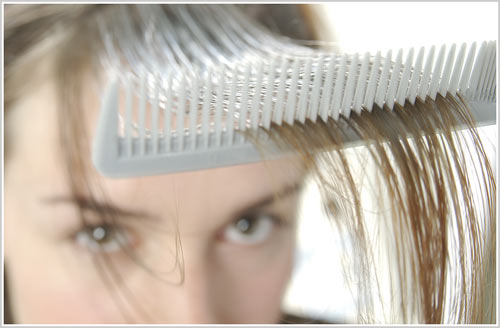
Hair contributes to your beauty and charm. So, hair care is something that needs to be done regularly.
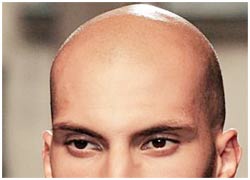
People who are inherited from two special variant genes are seven times more likely to become bald when entering age 40 than those who do not carry the gene.