Space science
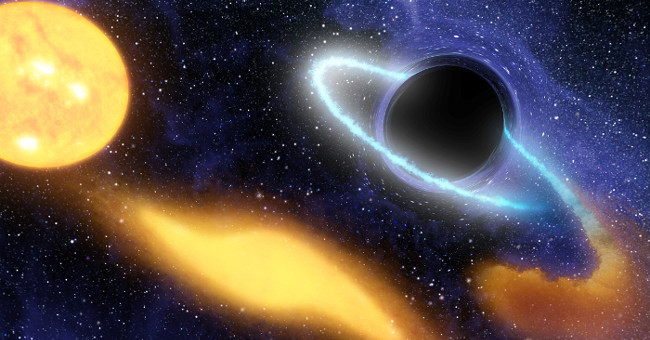
Black holes can be 50 billion times more massive than the Sun.
Black holes can only grow to the limit of 50 billion solar masses before losing their energy source and stopping growth.
Browse ScienceInfo articles and explainers related to Hole.
1,071 published items.
Black holes can only grow to the limit of 50 billion solar masses before losing their energy source and stopping growth.
According to Rutledge, people in Asia, Europe and North America will be able to see this special event if they leave the towns with too much artificial light.
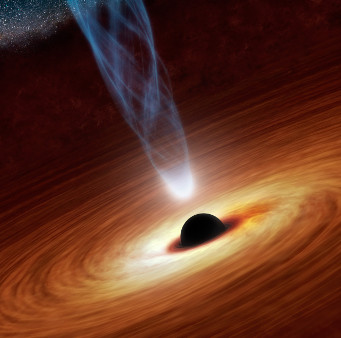
Scientists at the University of California (USA) discovered that time does not always go forward, at least inside black holes.
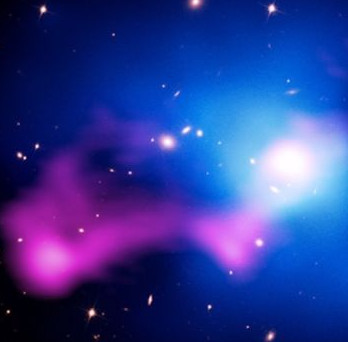
US researchers combine data from three telescopes to record an explosion image of a supermassive black hole 10 billion times larger than the Sun.
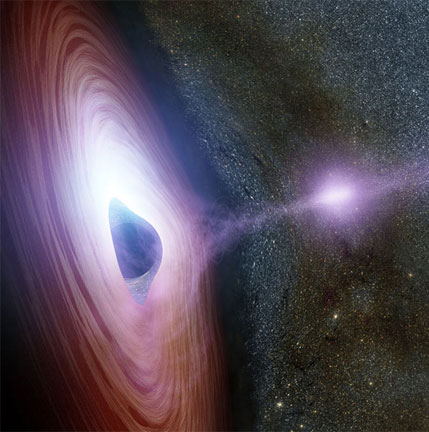
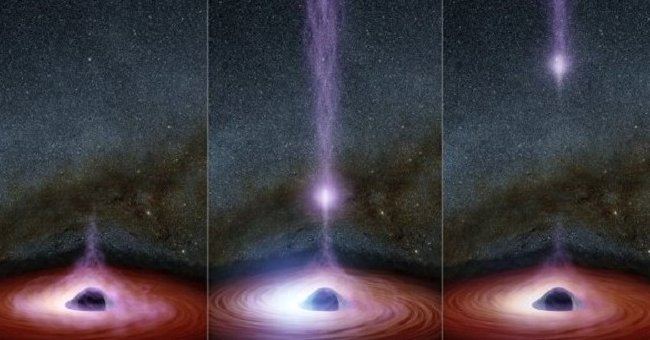
Astronomers from the US Aeronautics Agency (NASA) discovered corona halo containing high-energy particles that are responsible for glowing black holes.
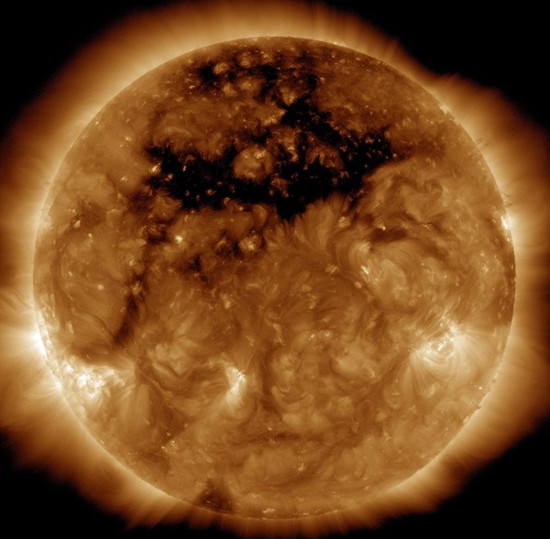
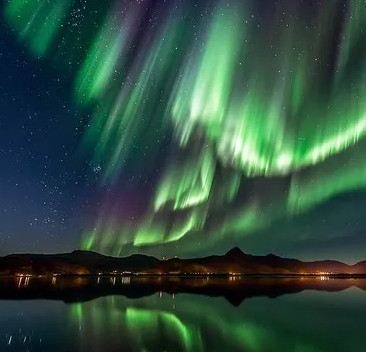
The top floor of the Sun has a giant flower hole, 50 times larger than the Earth, causing the solar wind to function strongly, causing many aurora nights on Earth.
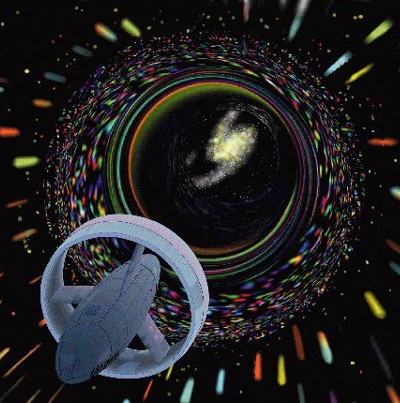
Scientists are looking for deep holes - how to move faster than the speed of light, can even travel over time, if it really exists.
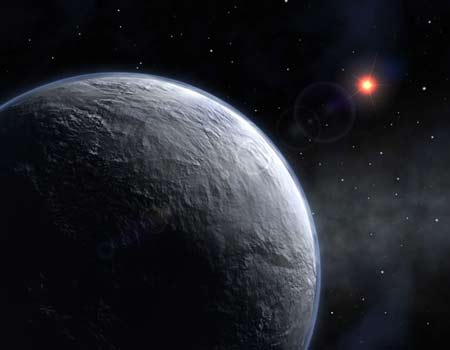
The black hole is about the same size as the atomic nucleus, the galaxy
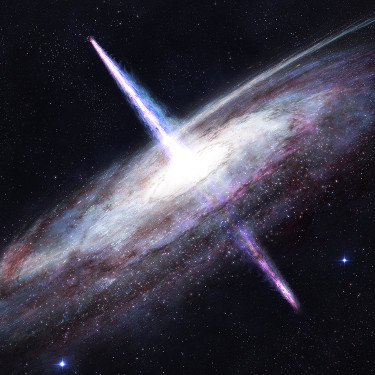
The fact that some concentrated black holes exceed even the stars around them, can be seen clearly in the Hubble telescopes.
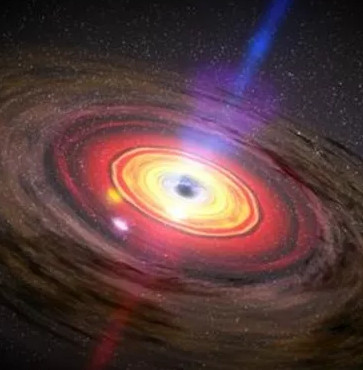
According to British researchers, this black hole is many times larger than the black holes scientists have known.
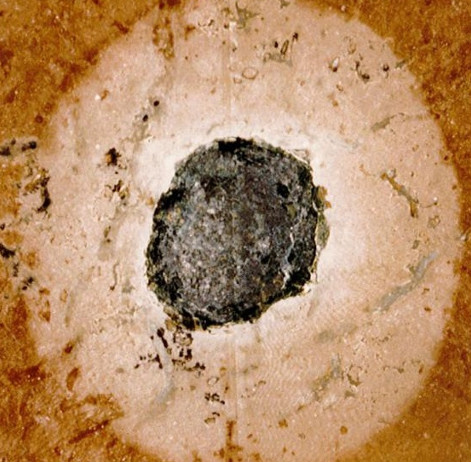
Swedish scientists first discovered a unique double hole created from two meteorites that fell to Earth at the same time 460 million years ago.
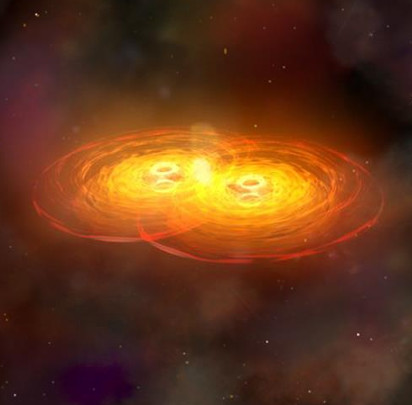
According to astronomers' research, the universe will have an unprecedented big explosion of two supermassive black holes that orbit each other.
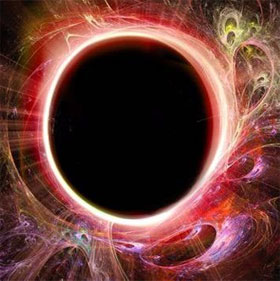
The moment you step into the black hole, it is actually divided into opposite sides. On one side, you will immediately be burned into coal, and on the other side you wil…
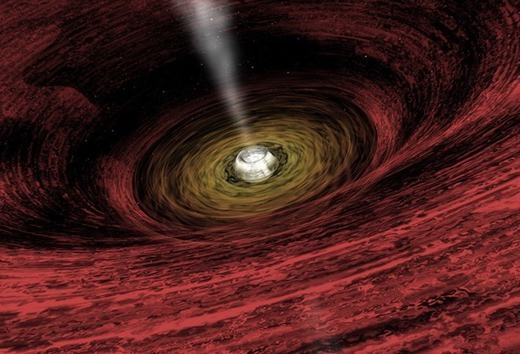
Astronomers have just published a shocking information when it discovered how the largest cosmic elliptical galaxies continue to produce stars despite the