Discover science
The facts about hygiene habits make us fall back
These are seemingly harmless habits that make our bodies
Browse ScienceInfo articles and explainers related to Hygiene.
184 published items.
These are seemingly harmless habits that make our bodies

Children should be allowed to play with dirty by their parents - scientists say, after finding that living too clean can weaken the skin's ability to heal itself.
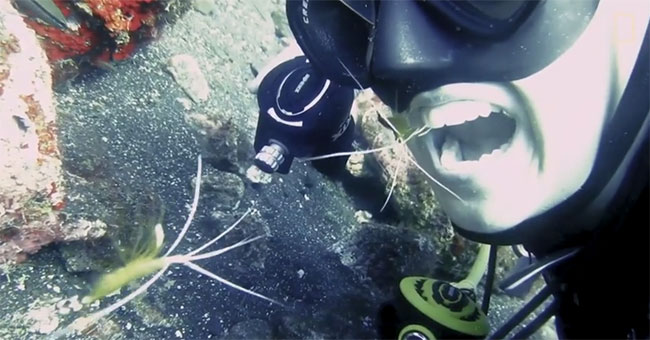
Doctor shrimp is a diligent invertebrate that specializes in eating parasites and dead skin on fish, helping them to be healthy and also getting a full meal.
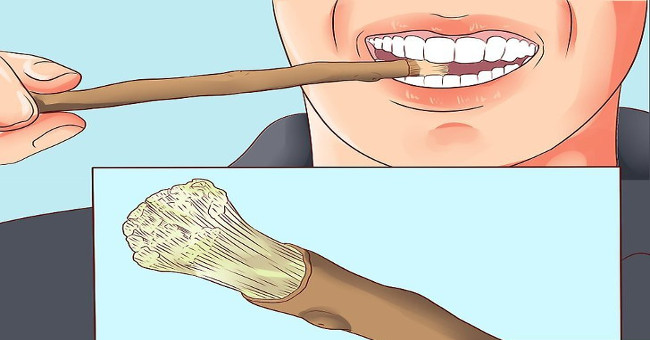
Toothbrushes are an indispensable item - when we need to use them at least twice a day.
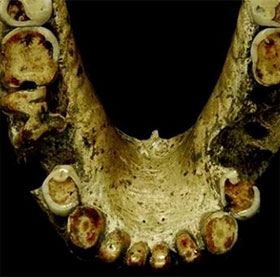
The discovery of the use of toothpicks for this ancient human oral hygiene was published by Swiss scientists.
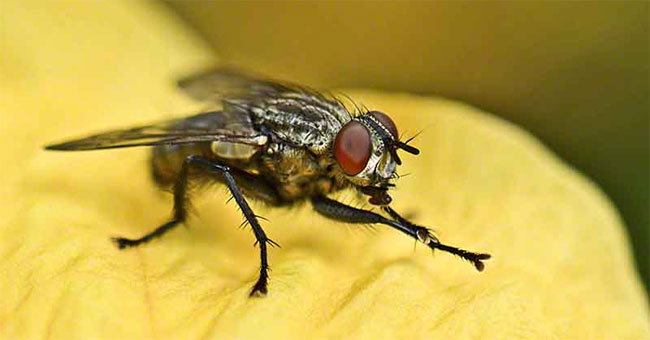
Unsafe flies, everyone knows that. So surely you will be surprised to learn that flies also know
Entomology researcher Nguyen Quang Thai (Military Hygiene and Epidemiology Institute - Military Medical Department) has discovered and just announced a new clamp plier -…
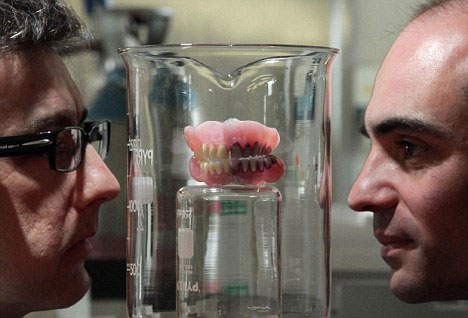
It was a surprising finding by scientists at the University of Newcastle (UK), while they were studying the bacterial strain of marine algae called Bacillus licheniformi…
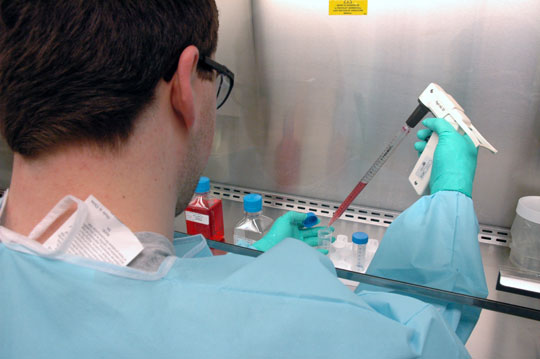
The Norwegian Embassy will support nearly 990,000 USD to improve the capacity of biosafety management for the National Institute of Hygiene and Epidemiology.

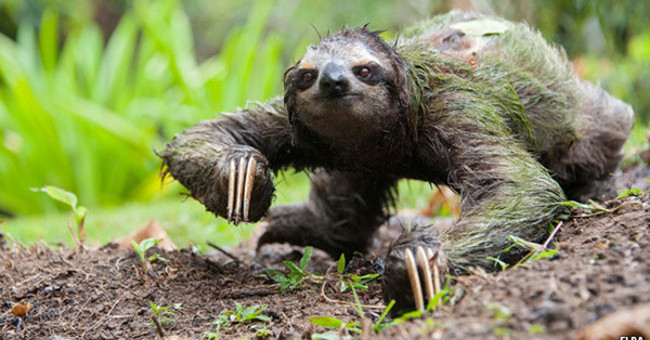
This monkey made the scientific community curious because he learned how to use some tools and techniques to
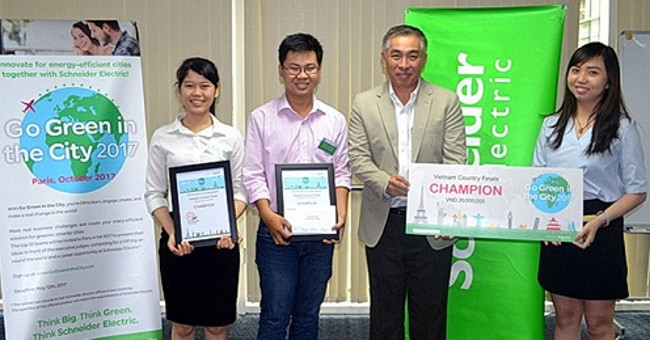
Utilizing waste water from human hygiene activities to generate toilet lighting - This is the project that has just won the first prize in the final round of Go green in…
Provincial science and technology project
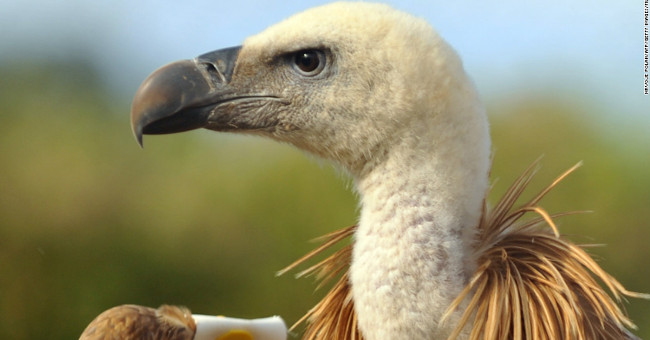
The decline in the number of vultures has caused general hygiene problems worldwide because animal corpses tend to rot, or be eaten by rats or wild dogs.
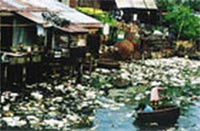
On March 1, HCMC Environmental Hygiene Project Management Unit of Nhieu Loc - Thi Nghe basin (Management Board) stated that, before Dinh Hoi Tet, the contractor of the 7…