Space science
New circumbinary planet detection revolves around two stars
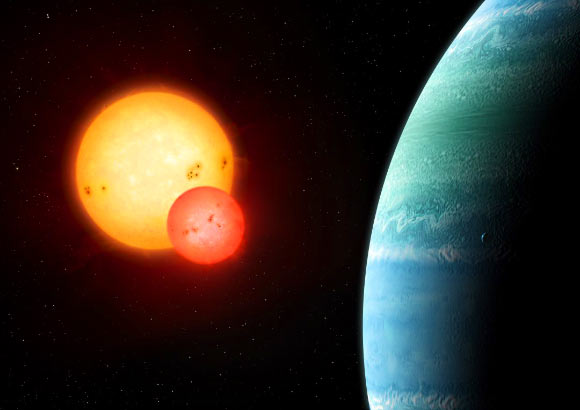
Astronomers have announced a surprising new discovery about a new circumbinary planet - the planet orbits two stars.
Browse ScienceInfo articles and explainers related to Kepler.
143 published items.
Astronomers have announced a surprising new discovery about a new circumbinary planet - the planet orbits two stars.
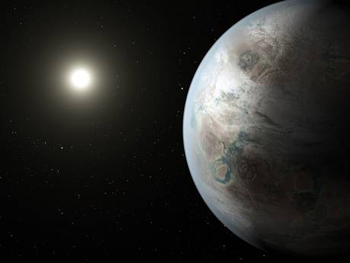
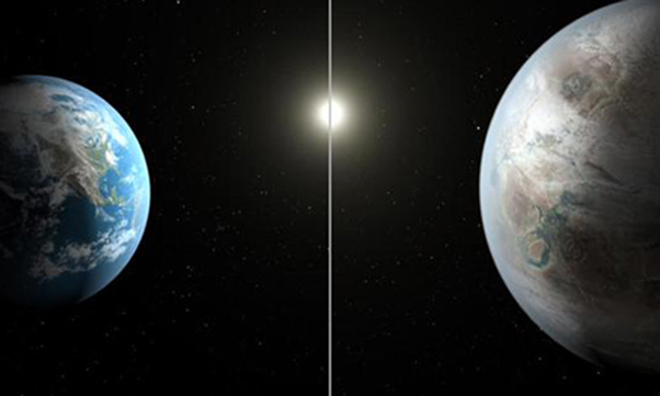
Kepler-452b, the most Earth-like planet discovered so far, may be warmer, wider, and have surface water.
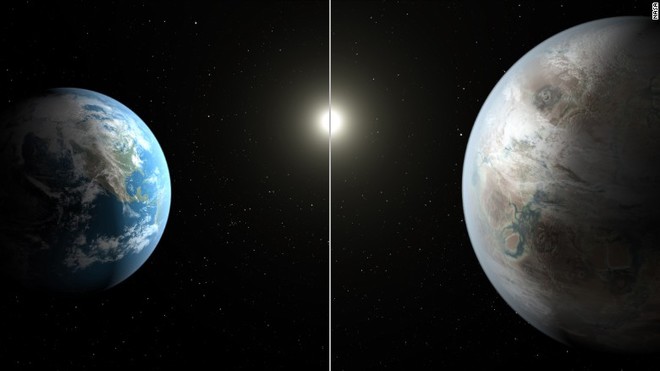
NASA's Kepler space probe ship detected 12 of the more than 1,000 planets in the Milky Way orbit around its star like Earth and could survive life.
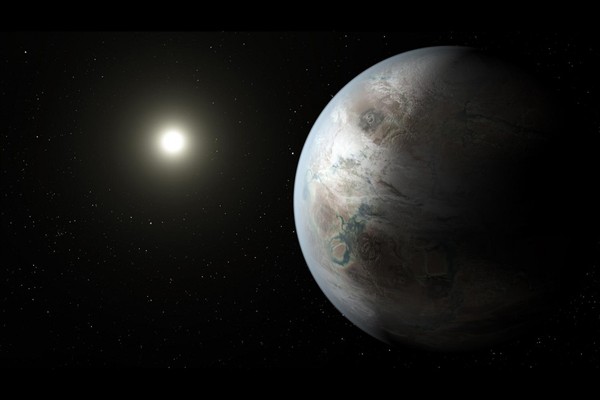
The $ 600 million Kepler spacecraft launched in space in March 2009, designed for the hunt for Earth-like planets outside the solar system.
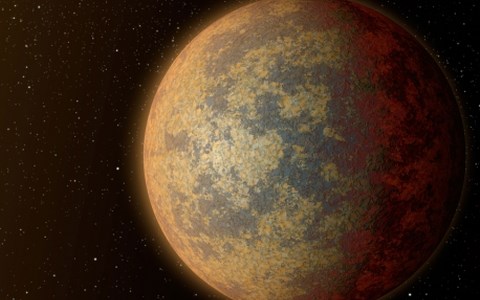
Astronomers at NASA have discovered an Earth-like planet more than Kepler-452b and is a gold mine for scientific research.
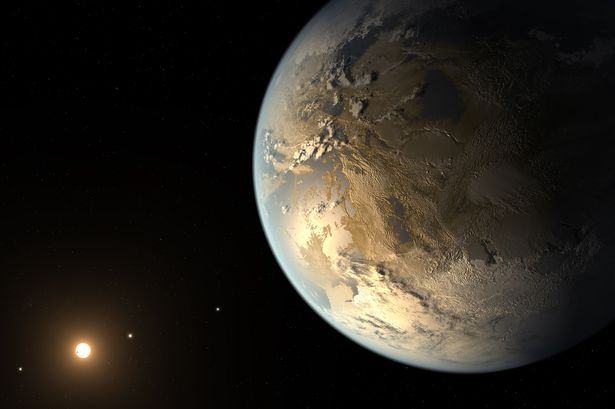
Space scientists will hold a press conference this month to announce one
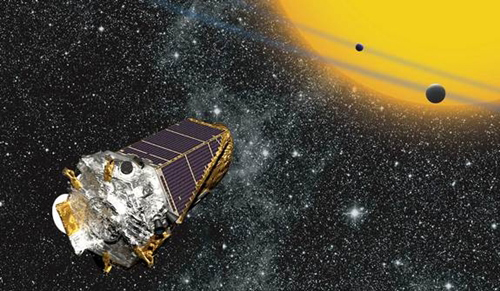
The US Aerospace Agency (NASA) today announced the discovery of the Kepler Space Telescope about more than 4,000 planets outside the solar system.

Astronomers have discovered a planet with many similarities to Earth. The planet can orbit its host star with the same distance from Earth to the sun.
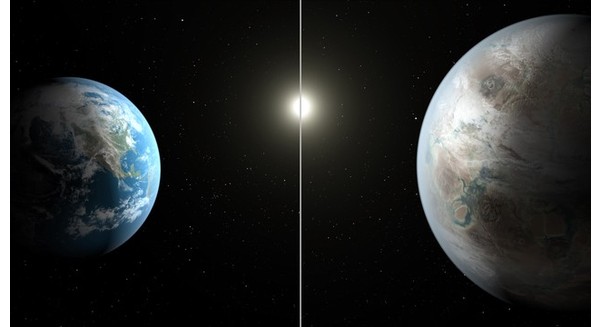
With today's science and technology, the answer is ... 26 million years.
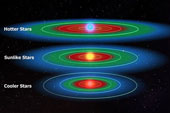
Astronomers have come to this conclusion after calculating the number of planets located at a distance away from the star just enough to have warm temperatures and water…
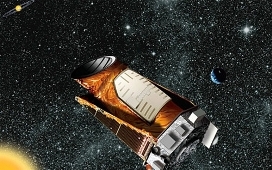
American space experts say it is time for people to actively communicate with aliens, not just receiving signs of extraterrestrial life.
Through the Kepler telescope, American scientists have discovered Earth's trio of warm planets with at least one potentially habitable planet.
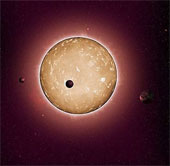
International astronomers on January 27 said they discovered a new solar system outside the solar system and are made up of five small stone planets.
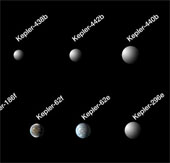
NASA's Kepler telescope discovered eight new distant planets, including the most Earth-like planet found to date.