
New technology
Change history with 'time gown'
Researchers at Cornell University in Ithaca, New York, for the first time demonstrate that it is possible to obscure a particular event in time, creating what is expected
Browse ScienceInfo articles and explainers related to Like.
5,993 published items.
Researchers at Cornell University in Ithaca, New York, for the first time demonstrate that it is possible to obscure a particular event in time, creating what is expected
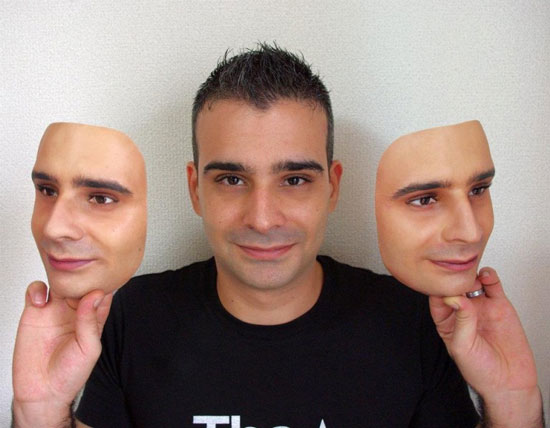
A Japanese mask manufacturing company has been providing REAL-f face masks just like the face of a customer.

Scientists are looking for ways to make microchips capable of turning light into electricity based on plant photosynthesis.

Scientists have discovered a natural preservative that can help keep foods like fish, meat, milk, etc. fresh for years.

The owner of a noodle shop in China is using a robotic superstructure like a superhero to help him sell to customers.
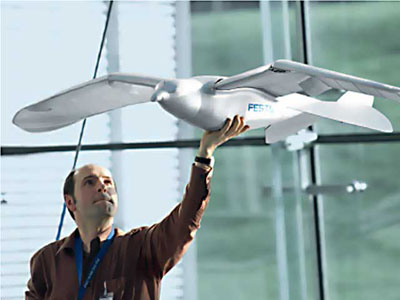
Engineers at Festo Technology (Germany) have developed a robot that can take off and fly in the air with the same movements as a seagull.
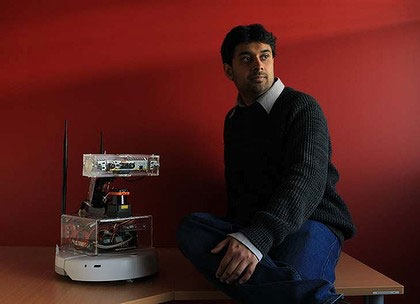
The MARCS Robot Lab, University of Sydney, is conducting a robot-based experiment to study the interaction between humans and robots.

Because they are made from jelly with different flavors, they can be made into water cups that can be 'eaten' without fear of poisoning.
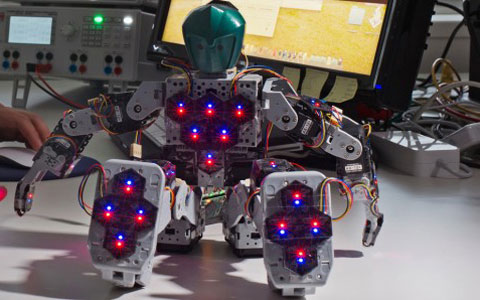
German scientists have created robots capable of sensing even the smallest impact or temperature change just like humans.
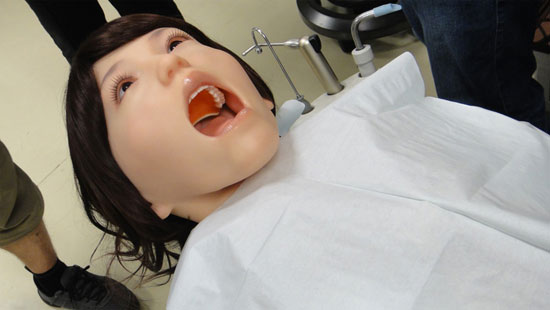
The Japanese dental students do not have to worry about having patients to practice because of the 'patient' Showa Hanako 2 looks like a real person.
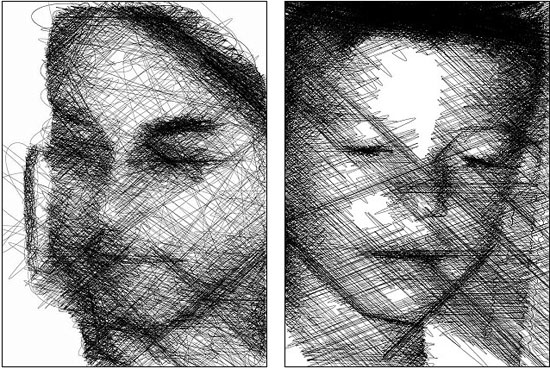
An English painter has trained a robot to portray people like their abilities.

The US company RoboDynamics has demonstrated new products in its ambitious program. Among these are the Luna family robots.

Having a carrier-like design, Tûranor PlanetSolar has become the world's largest solar-powered vessel.
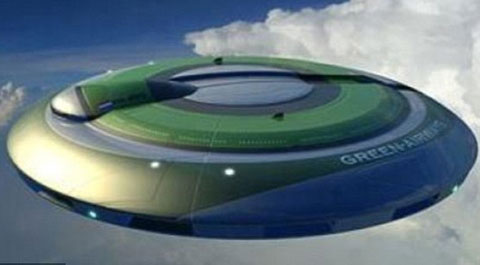
Russian aviation designers say the Russian Air Force will have a new airship, shaped like a flying saucer, as seen by UFO researchers.
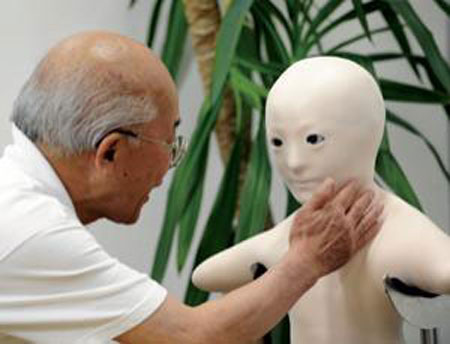
New Zealand scientists have created an artificial muscle that makes robots more flexible and more human, according to New Scientist.