Medicine - Health
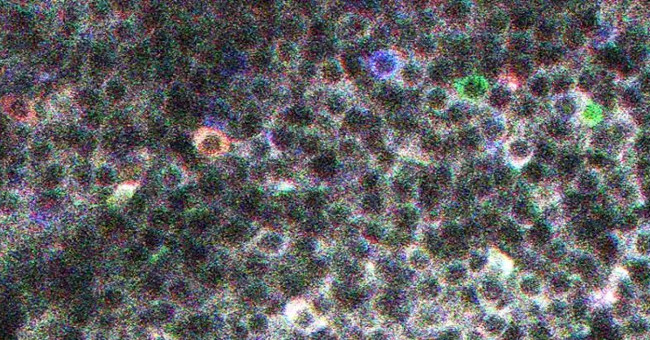
For the first time, scientists can see the shape of memories
Scientists have found the shape of memory blocks in the brain. Specifically, they are nerve cells that process information related to what we have been through.
Browse ScienceInfo articles and explainers related to Memory.
855 published items.
Scientists have found the shape of memory blocks in the brain. Specifically, they are nerve cells that process information related to what we have been through.

According to the results of a survey, people often have a sudden case of forgetting what they want to say. Psychologists think this is a temporary dementia.

There is nothing indignant by thinking of a great idea or an ideal solution but being stolen by someone else.

A new test can identify people at risk of Alzheimer's for decades before signs of disease appear.

We all know the importance of physical training. But not everyone knows, even our brains need it
Human memory is finite, while the thing to remember is almost limitless. The question is how can our brain filter the information we need to keep?

Scientists generally believe that emotional memories are associated with the amygdala in the brain, although the mechanisms of memory control are still mysterious in man…

Many studies have shown the great use of smiles to health and intelligence.
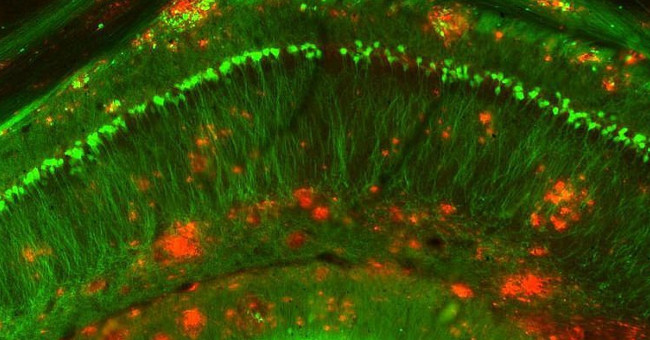
This protein can help restore memory and cognitive function in mice. That opens new prospects for Alzheimer's treatment in humans.

Reduce stress, improve mood, enhance memory, increase brain volume, increase awareness and reduce the risk of losing your mind when you get old ... are the extreme benef…

There are those who possess the ultimate memory, almost unable to forget anything. And now science has deciphered this.

Do you stay up late? Are you stressed about learning, work? Do you try to cram your knowledge and lose sleep?

A recent study by scientists shows that the regions of the cortex work at different rates depending on the time of year.

Eating while you are sleepy can damage brain activity, adversely affecting memory formation and learning.

Regular exercise, regular knowledge, no smoking and active participation in social activities are factors that help you maintain a sharp thinking ability throughout life.