Animal world
Signs of learning ability in mice
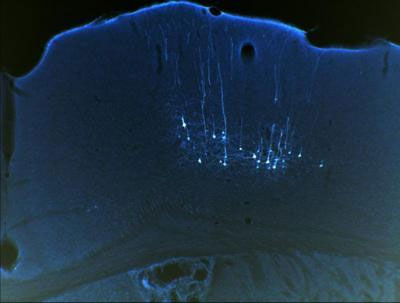
Male mice can produce different sounds to attract female mice. These mice also have certain brain features like the features of the human brain and the birds of the bird…
Browse ScienceInfo articles and explainers related to Mice.
834 published items.
Male mice can produce different sounds to attract female mice. These mice also have certain brain features like the features of the human brain and the birds of the bird…

During laboratory research, the Greek biotechnology company Bio Explorers discovered that the rodent's sense of smell is much more sensitive than dogs.
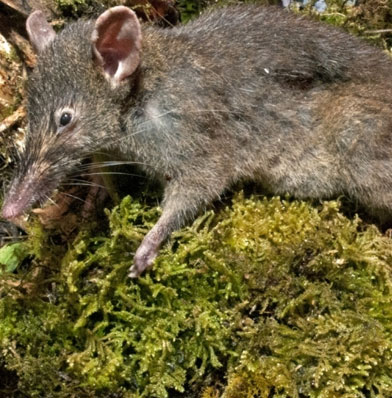
Scientists have discovered a mouse without molars. This is the only rodent ever known without chewing teeth. The long-nosed rat is called Paucidentomys vermidax. Paucide…
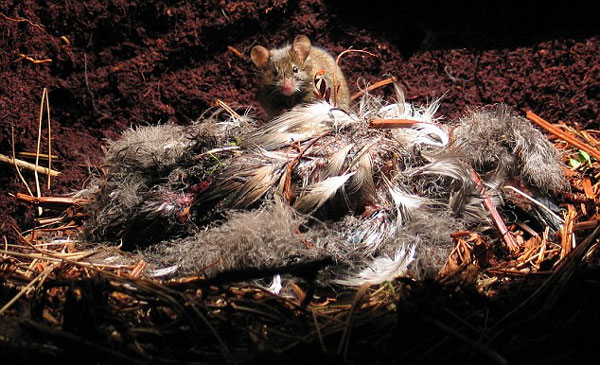
A remote island in the Atlantic Ocean is occupied by a giant
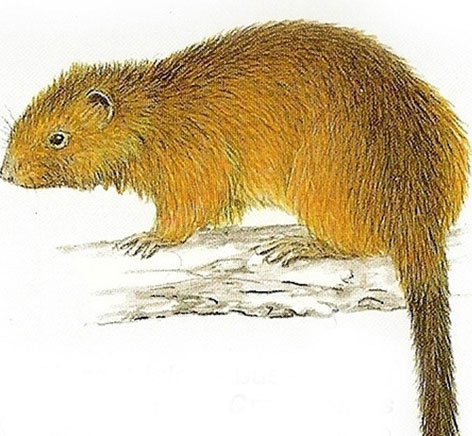
The mouse has the scientific name Crateromys australis, which people used to call the cloud mouse, first collected samples by scientists in 1975 on Dinagat Island, Phili…
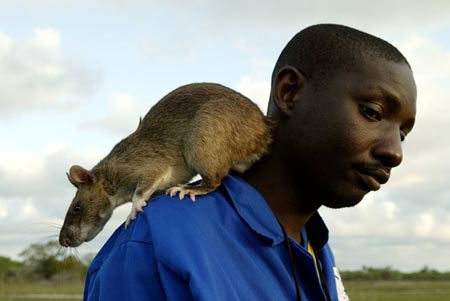
Giant Gambia rats are spawning rapidly on the Florida Keys in the southeastern United States, despite attempts to wipe them out for decades.
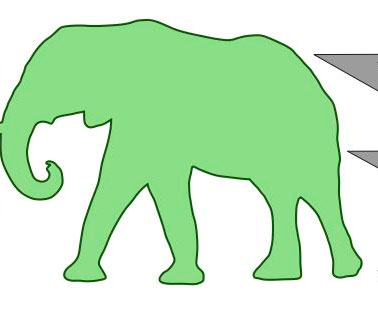
A mammal just the size of a mouse can become a giant animal like an elephant after about 24 million generations.
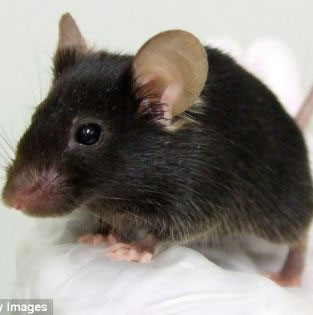
Japanese scientists have created a special genetically modified mouse, with the ability to chirp like birds. According to DailyMail, this type of mouse was propagated by…
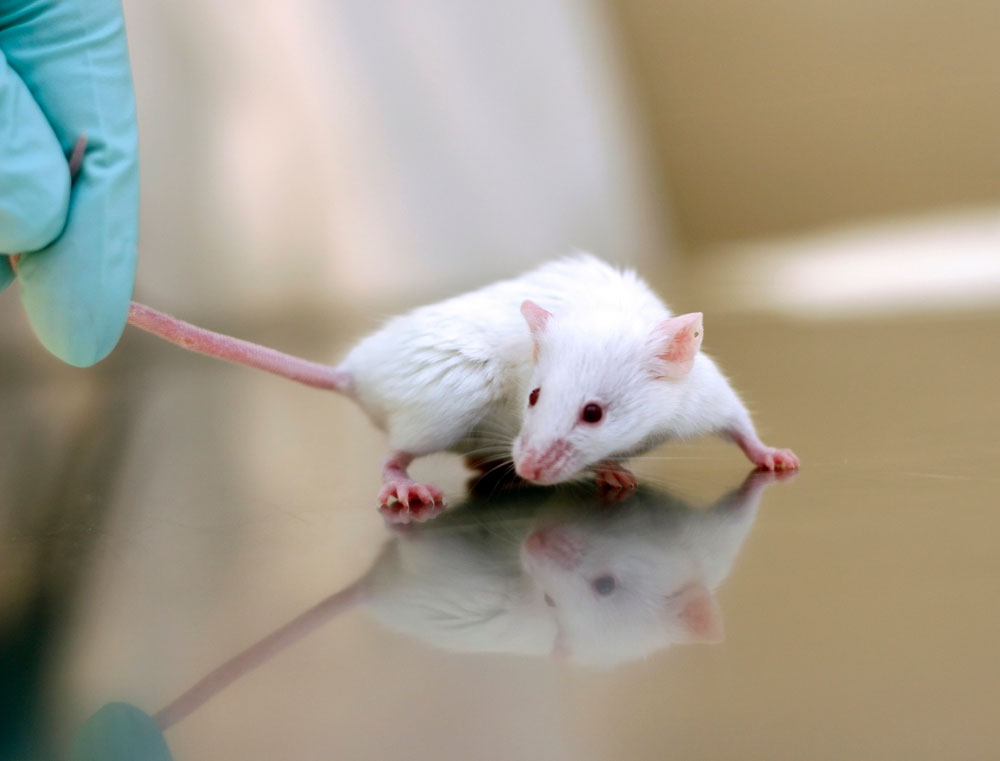
The anxiety, the sympathy that the mouse has for those in need is surprising to scientists.
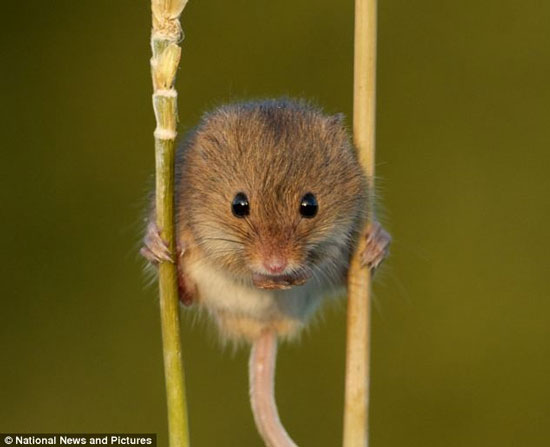
Matt Binstead, an amateur photographer at the Wildlife Center in England, took a picture of the mouse using his two hind legs and the tail of two rice hulls.
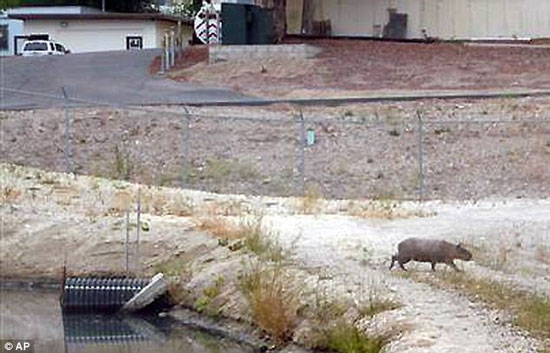
A South American hamster as big as a pig, weighing at least 45kg, was filmed at a California water treatment facility before it disappeared in the bush.
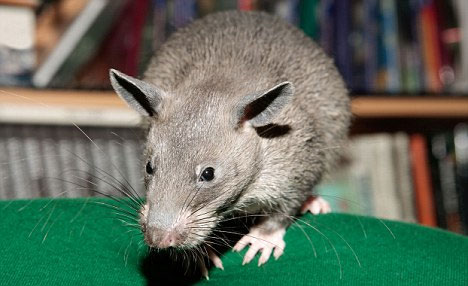
A construction worker in Brooklyn city, the US accidentally caught a giant mouse 90cm long from head to tail.
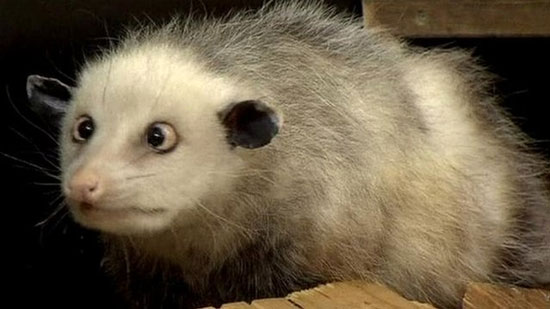
Those who nurture and care for Heidi - the famous mouse in Germany decided to give
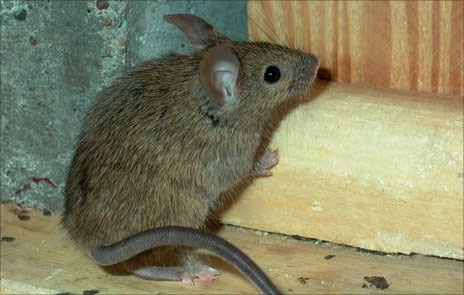
Scientists say some European mice have developed the ability to resist the most powerful poisons used to destroy them.
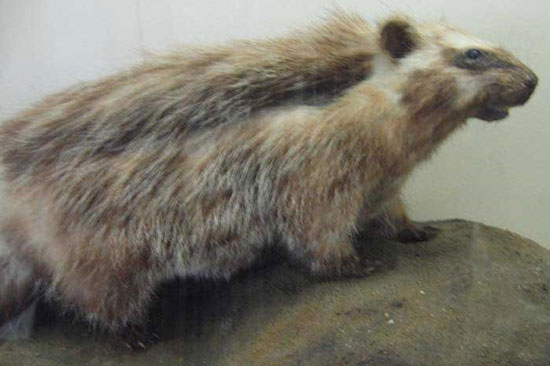
Unlike most other mammals, the African porcupine rat (also known as the crested rat) scientific name Lophiomys imhausi produced itself.