Health
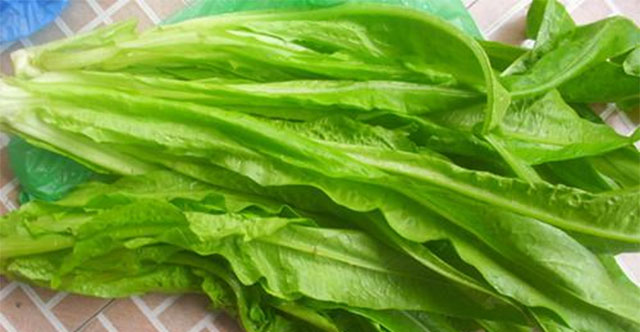
This vegetable is richer in calcium than milk, good to eat raw or cooked.
Lettuce is a relative of lettuce. However, not many people know about and eat this vegetable.
Browse ScienceInfo articles and explainers related to Milk.
455 published items.
Lettuce is a relative of lettuce. However, not many people know about and eat this vegetable.
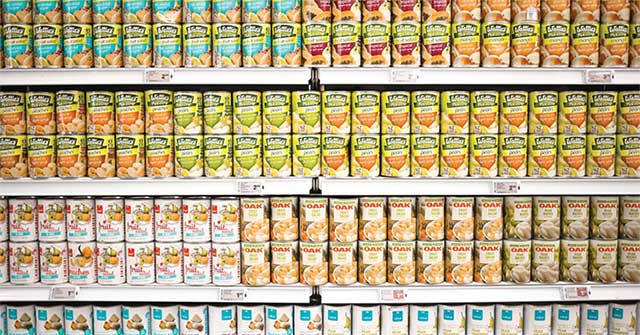
The shelf life of food is the period of time during which the food can be kept at its best quality as recommended by manufacturers to consumers.
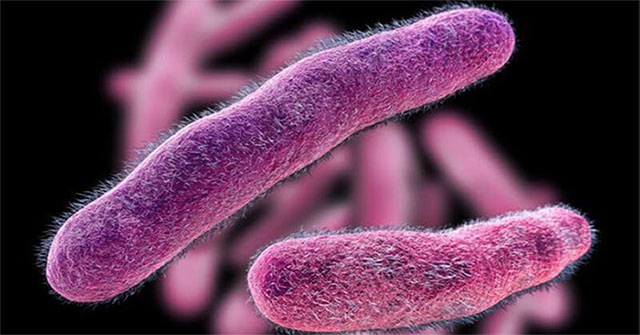
Food can become contaminated with bacteria from water sources, waste, soil, or human processes during production and transportation.

Water buffalo is a familiar animal for agriculture, especially in Vietnam, however this species is distributed in many other countries and has many characteristics that…
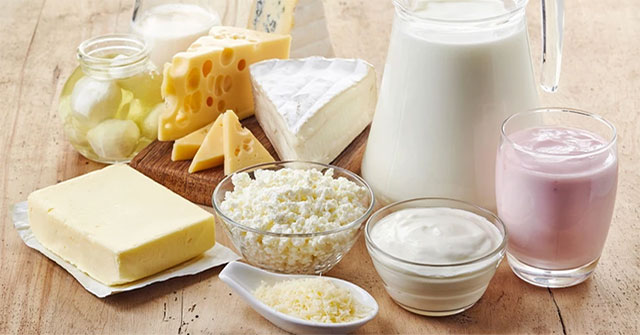
People should be aware of the benefits of dairy for gut health, rather than rushing to eliminate it from their diet.

New research from Harvard TH Chan School of Public Health (USA) based on nearly 112,000 people shows some foods and drinks help prevent type 2 diabetes.
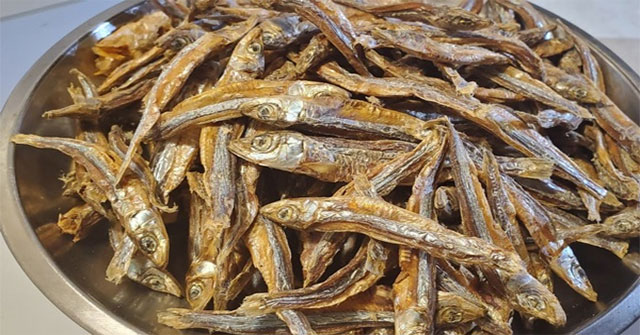
Dried sardines are not only 20 times richer in calcium than milk, but also provide lots of protein, omega-3 fatty acids, magnesium...
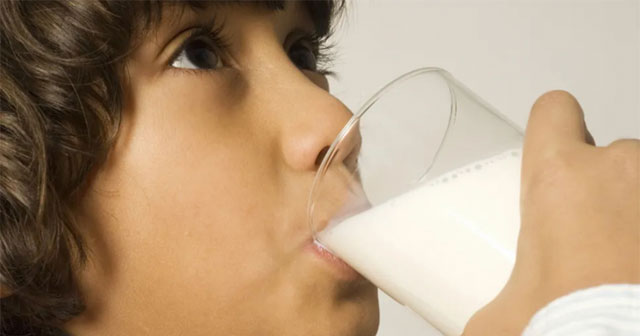
Research by scientists shows that some antibiotics when taken with milk can reduce their effectiveness, especially those treating bacterial infections.
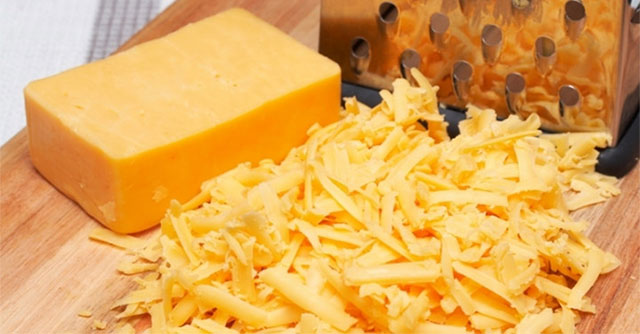
Behind the golden, delicious cheeses we enjoy is a fascinating and complex story of color change.
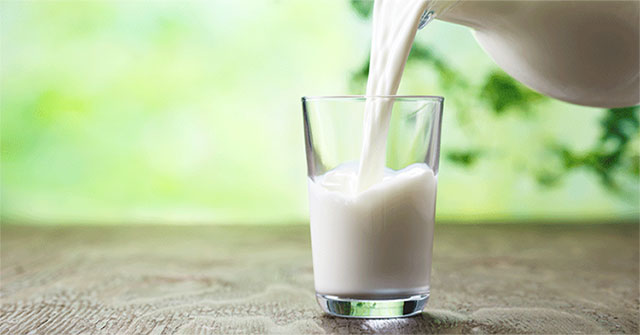
For most Asians, lactose intolerance (a component of milk) is a very common syndrome.
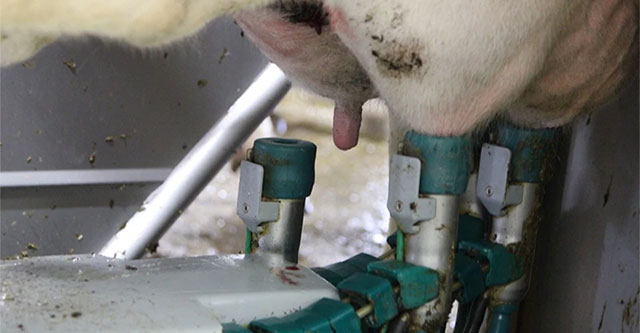
The study highlights the increased risk of avian influenza exposure for dairy farm workers and the need for more widespread use of personal protective equipment such as…
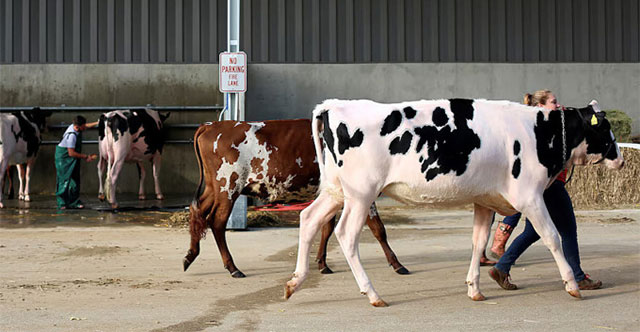
WHO said it had detected the H5N1 avian influenza virus at very high concentrations in the milk of infected cows, although it is unknown how long the virus will persist.
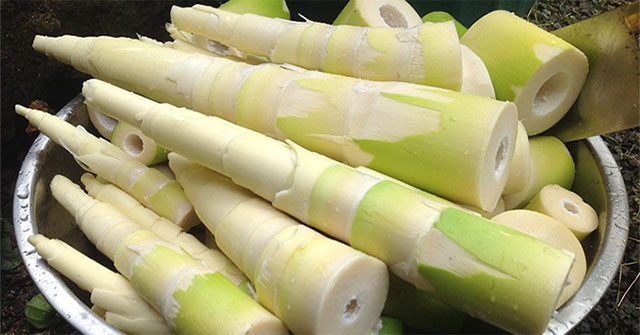
According to research by a group of Chinese scientists, bamboo shoots can play an important role in providing a sustainable and nutritious food source for the growing gl…

There are two main causes of milk poisoning: the milk may be contaminated with bacteria or the milk may contain toxins due to the milk's uncertain origin.