Computer science
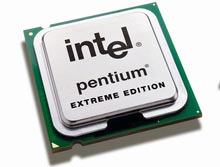
Intel stopped manufacturing Pentium D
Intel has decided to stop producing four types of chips under the dual-core Pentium D 830, 840, 930 and 940 series since December 15, 2006.
Browse ScienceInfo articles and explainers related to Production.
1,279 published items.
Intel has decided to stop producing four types of chips under the dual-core Pentium D 830, 840, 930 and 940 series since December 15, 2006.

Toshiba Group will start producing microSD, the smallest memory card in the world today, in large quantities since September. Step forward to gain market share between t…

In response to the increasing demand for flat-panel TVs of the market, the two electronics giants Samsung and Sony signed an agreement to build one of the most modern LC…

Leading storage device manufacturer Seagate has licensed the new completely magnetic disc production technology and promises to expand its hard drive capacity to 1 to 8…
The Unigen DRAM and memory card factory has been operating in Vietnam since August 2005 but all products are exported to the US and Europe. From July, 10% of this enterp…

Yesterday, in the meeting of the electronic and informatics training and production unit in Ho Chi Minh City, Vice Chairman of the City People's Committee Nguyen Thien N…
Stopping single-core Opteron production was a very important decision for AMD, because the processor line helped the company increase x86 server market share from 5.4% t…
IBM said it is adopting new production methods to enable processing equipment for Power6 servers to run twice as fast as it does today but still ensure the temperature r…

According to Times of Israel, Israeli start-up company Jet Eat hopes to create a boom in the food market by developing 3D printing technology that can produce meat subst…

This work was done by a team at Washington University (Saint Louis, Missouri, USA) using bacteria to synthesize spider silk proteins.

The research results show that it is possible to turn old clothes removed into water-proof and fire-resistant construction materials.
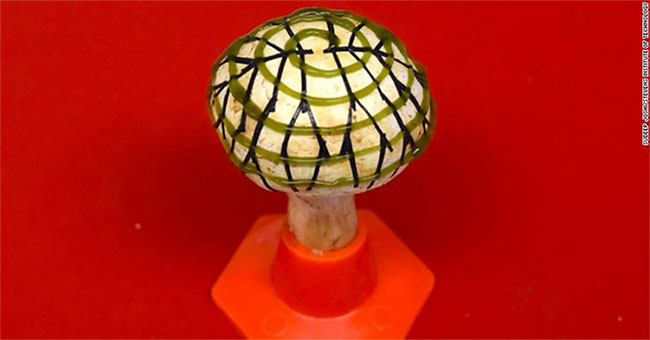
Finding clean methods to produce electricity is a priority for scientists who are eager to reduce human dependence on fossil fuels.
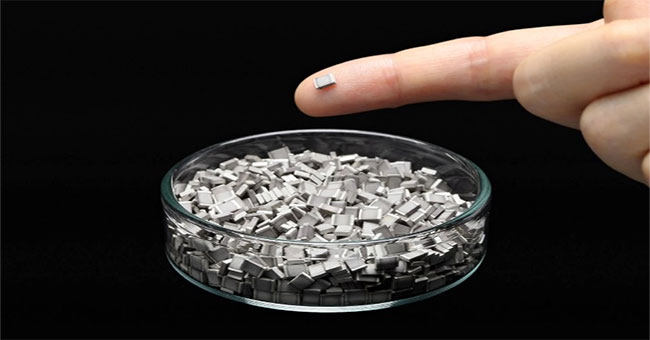
Li-ion batteries in billions of devices operating globally are now technologies that have revealed many shortcomings.
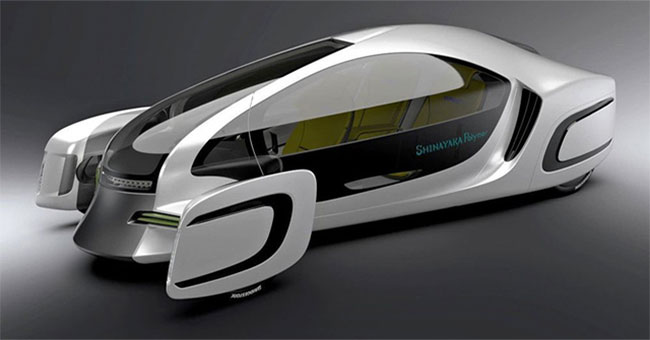
Because it is made of plastic, this model is 40% lighter than a regular car, saving more energy.
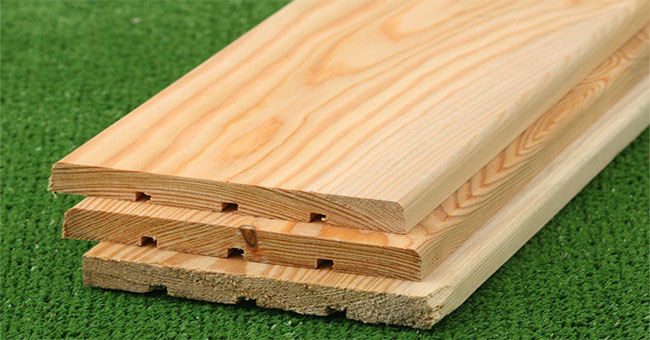
The future of the wood processing industry will change dramatically with the artificial wood materials recently developed by Chinese scientists.