Space science
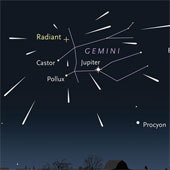
The north does not observe the largest meteor shower of the year
Due to the influence of cold air, cloudy sky, the Northern region will have less chance to observe the Geminids meteor shower, while in the South it is possible.
Browse ScienceInfo articles and explainers related to Rare Astronomical Phenomenon.
30 published items.
Due to the influence of cold air, cloudy sky, the Northern region will have less chance to observe the Geminids meteor shower, while in the South it is possible.
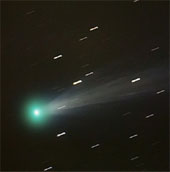
Comet ISON, the object that received the most attention from observers this year has come quite close to the Sun.
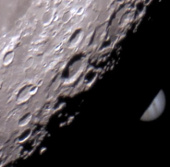
An astronomer recorded a detailed image of a rare astronomical phenomenon, in which the moon appears to be 'devouring' Jupiter, the solar system's largest planet.
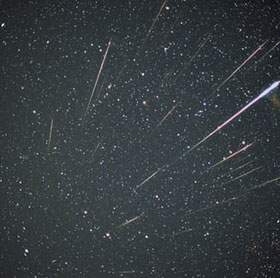
Leonids meteor shower, one of the remarkable astronomical phenomena of the year, will be seen in Vietnam this weekend.
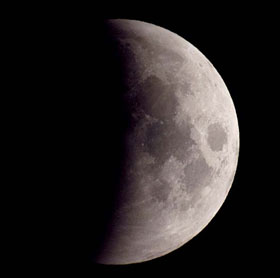
The half-moon eclipse will begin at 19h15 and end at 23h51, the maximum at 2133 (Vietnam time) on the evening of November 28.
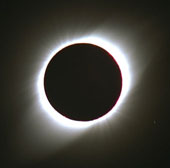
People around the world will have the opportunity to admire the total eclipse and partial eclipse this month.
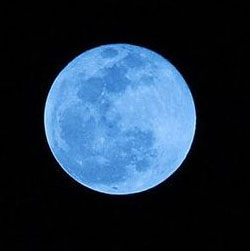
Tonight, Friday 31 August, people around the world will have the opportunity to admire the 'blue moon' - the second full moon phenomenon in the month, averaging 2.7 year…
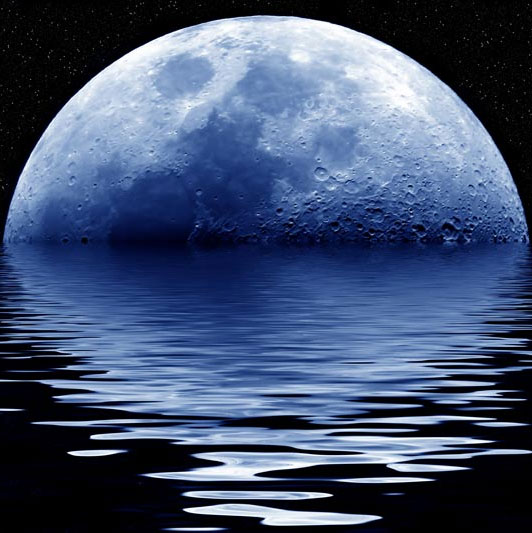
Astronomers will have the opportunity to see the blue moon on August 31. This is the last chance for an average phenomenon of almost 3 years to come once.
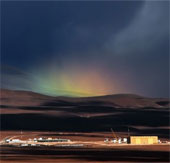
An amazing natural phenomenon has just happened in the Atacama desert.
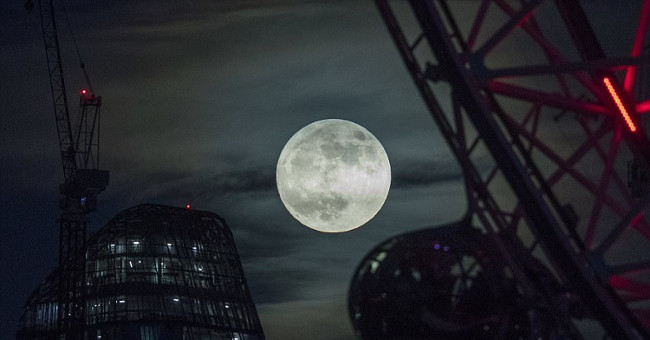
The full moon day early 2018 coincides with the time when the super moon phenomenon takes place, when the Moon moves to the closest point to Earth in orbit.
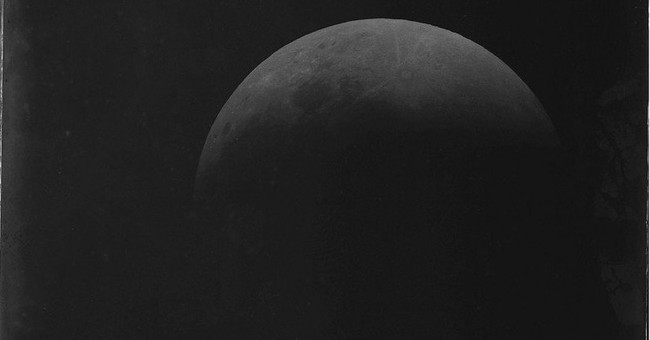
For many North Americans, the solar eclipse taken on August 21, 2017 will be the rare total solar eclipse that people can admire, take pictures and observe the whole sce…
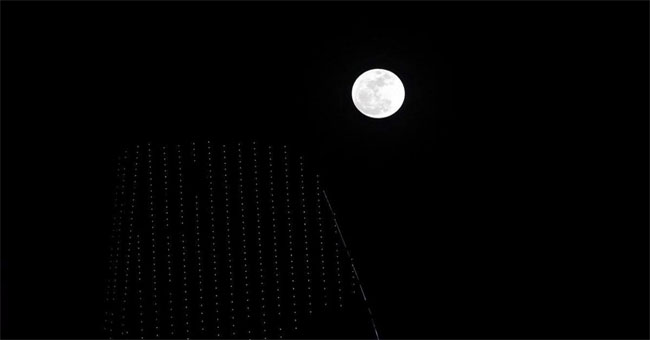
Many countries around the world are witnessing the biggest super moon in nearly 70 years and this phenomenon will be observed most clearly tonight in Vietnam time.

Astronomers are satisfied with the eye when the
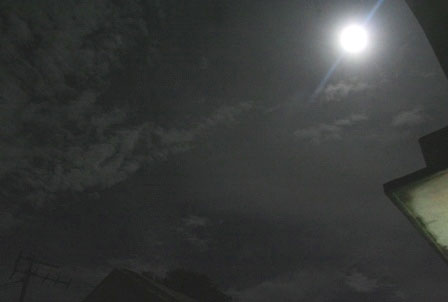
'Blue Moon' is an astronomical phenomenon that takes 2-3 years to happen once.
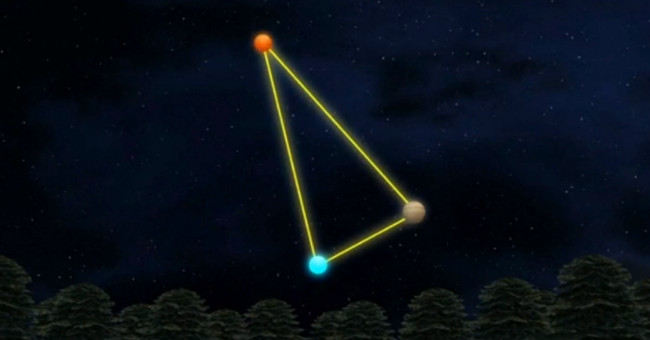
Jupiter and two other bright stars form an isosceles triangle that is clearly visible in the night sky this month.