
Medicine - Health
4 steps to overcome sadness break up by science
Currently, a new study published in the Journal of Experimental Psychology shows that the most effective cognitive strategy to help people overcome breakup has 4 steps.
Browse ScienceInfo articles and explainers related to Sadness.
50 published items.
Currently, a new study published in the Journal of Experimental Psychology shows that the most effective cognitive strategy to help people overcome breakup has 4 steps.

Many people go to alcohol to increase their sense of fun, immerse themselves in the crowd, deal with sadness ...

Just believe that you are doing something to help you overcome the pain of parting with your ex-lover. It can also affect brain areas associated with emotional regulatio…

It may seem paradoxical at first, but science shows that sad movies make you happier.

On average, people sigh about 12 times per hour, not because of sadness or anger, but simply to re-inflate the air for half a billion alveoli bags in their lungs.

The most important thing is that we have to live true to our emotions. Trying to be happy and hide the sadness in your heart will accelerate psychological stress.
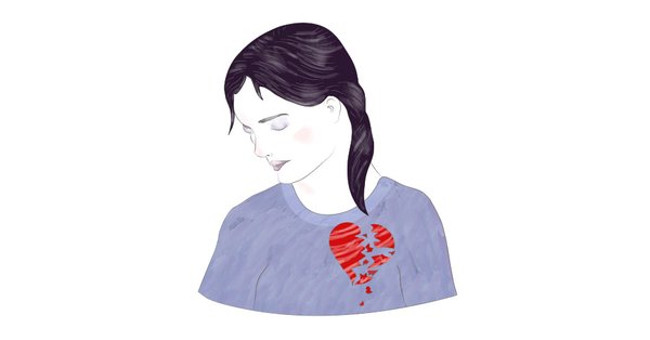
Emotional sadness causes heart rate to drop, hormone levels change, immune system weakens, sleep disturbance and hair falls more than usual.

Happiness does not make you live longer and sadness related to stress will not shorten your life, according to a new study.

At least 20% of us experience sadness in the winter

Scientists may be optimistic that it is time for them to measure emotions such as anxiety, sadness or anger, after a group of American researchers use brain scanning to…

A study in Sweden showed that female teenagers after attending a dance course improved their sadness and constant fatigue, according to myhealthnewsdaily.

US researchers say sadness and loss of loved ones can make bereaved attacks heart attacks.

When we get sad or stressed, we often go to sleep to be relieved. Recently, American scientists confirmed that dreaming really helps us overcome sadness.

Dieing because laughing or laughing until death is a phenomenon that sometimes happens in reality.

People with dementia are serious even though they cannot remember what they have seen, but the sense of sadness can be preserved for a long time.