Science Events
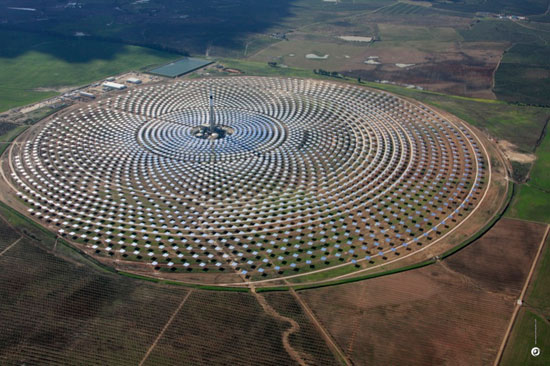
Solar power plant operates at night
The world's first night-operated solar power plant officially went into operation.
Browse ScienceInfo articles and explainers related to Thermal.
129 published items.
The world's first night-operated solar power plant officially went into operation.
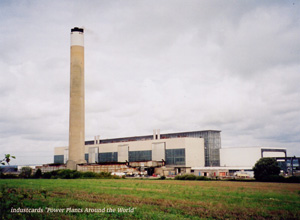
British power company RWE Npower announced it could convert an oil-fired power plant in the south of the country to using palm oil after recalculating costs and technica…
Some energy companies are currently investing in a field that is so far less used, solar technology. According to these companies, soon we can cool our homes with the en…
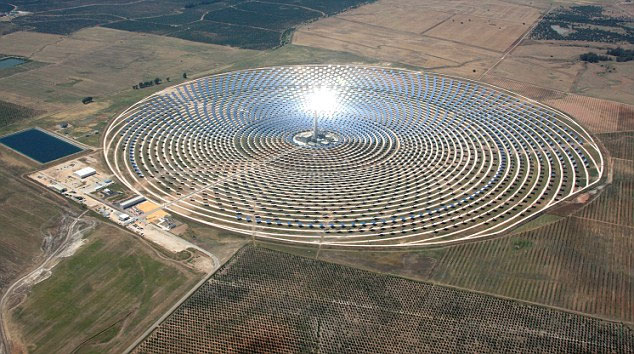
The world's first solar power plant that could operate at night was operating. This unique Spanish thermal power plant dares to challenge the cloudy, rainy days.
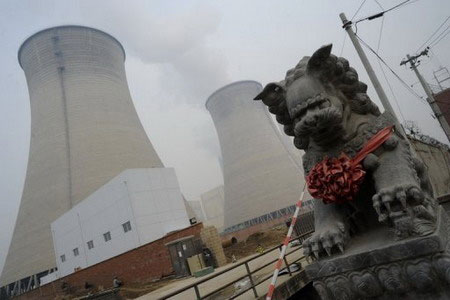
Shenhua Group, China will build Asia's largest coal-fired power plant in the city of Beihai in the next five years, to reduce the power shortage in the dry season.

The truth is that exposure to hot sun at high temperatures can make you more dangerous, even deadly ...
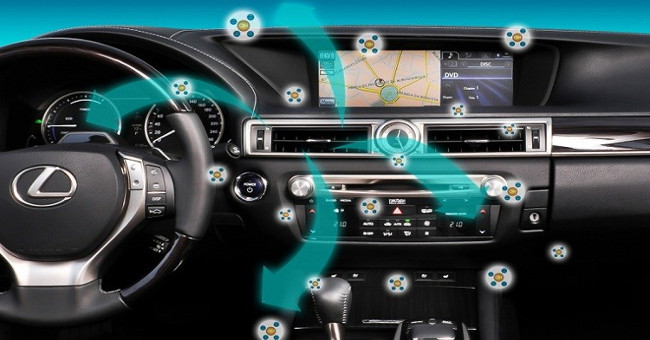
On hot and sunny days, many people choose cars as their main means of transportation for those times when they need to go out.
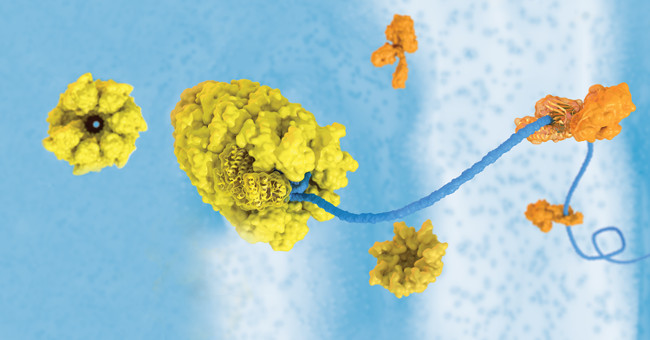
According to the definition of the National Cancer Institute (USA), a thermal shock protein is one of a group of proteins that helps protect cells from stresses such as…
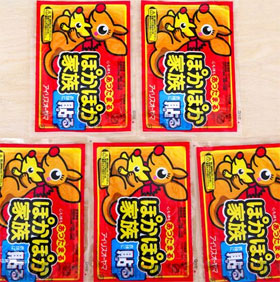
Heat retention stickers are

The Japanese Ministry of Health, Labor and Welfare decided to investigate deaths in the bathroom after statistics showed that the bath was a rather dangerous place in th…
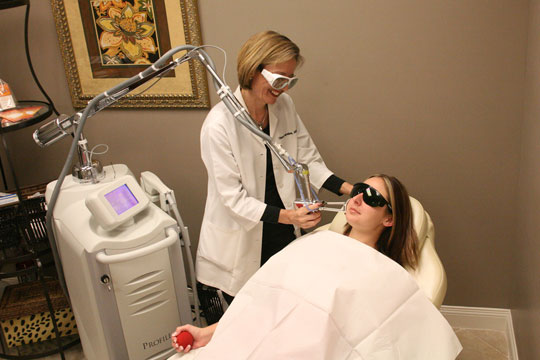
Application of laser to the treatment practice for dermatologists and aesthetics is quite common. Although this technique is widely applied ...
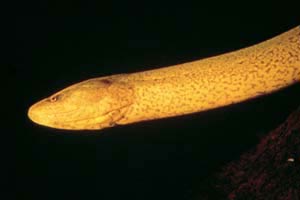
Eel meat is delicious and nutritious, suitable for thermal condition, very good for children who are thin and pale, women after spoiled and weakened blood air. Yellow ee…
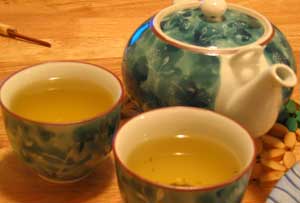
Tea water is a popular water, as well as a soft drink and a thermal solution to help sweating and replenish body water.
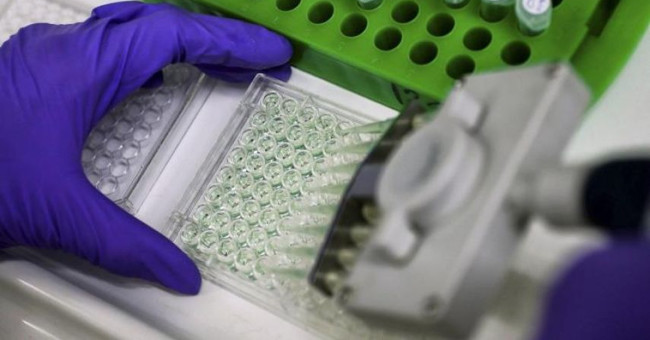
Russia can market drugs tested in space and cure all types of cancer even at the end.
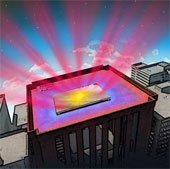
Stanford University engineers have invented an ultra-thin insulating material that reflects the heat of sunlight.