
New technology
Biological ink breakthrough 'in' human body parts
Scientists have come closer to turning a fantasy dream into reality when developing technology that uses biological ink
Browse ScienceInfo articles and explainers related to Tissue.
391 published items.
Scientists have come closer to turning a fantasy dream into reality when developing technology that uses biological ink
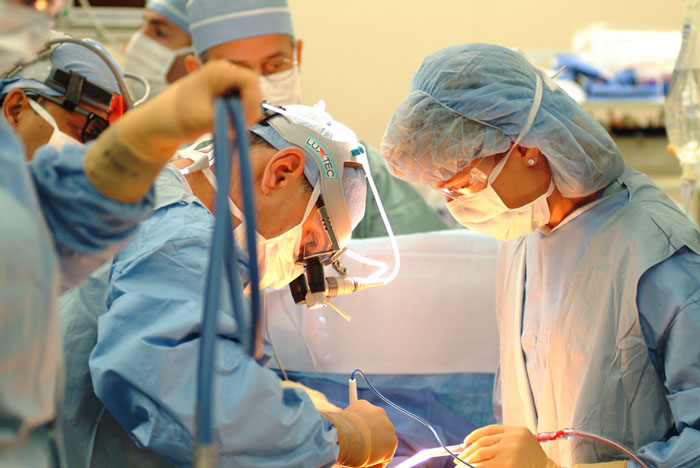
Stroke or intracranial haemorrhage occurs when a blood vessel in the brain ruptures, the blood leaking out to form a blood clot that puts pressure on the surrounding bra…
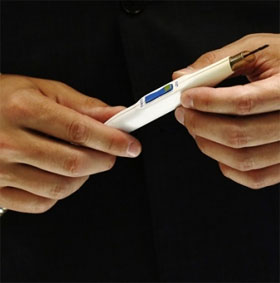
British scientists have announced that they have successfully built a clever surgical knife that can quickly identify in a few seconds whether the tumor will cut cancero…
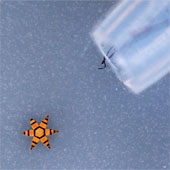
When taking a tissue sample for medical diagnosis, doctors often experience limitations because they have to use bulky and easily invasive clips.

Researchers have successfully developed a crab-shaped miniature robot with a pincer and a hook, which can remove early gastric cancer without leaving any marks. scarred
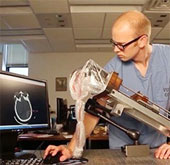
On 28 November, the European Commission has introduced ROBOCAST, a robotic arm 10 times more stable than a doctor's, capable of performing complex operations in brai…
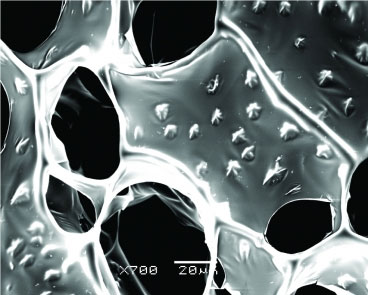
Scanning electron microscope (SEM) image of patch with gold and alginate nanofibers. Star clusters of gold nanowires can be seen in these images.
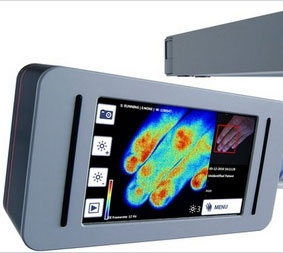
The device, called 'Doppler Laser Imaging', was developed by Aimago, a start-up company based at the Ecole Polytechnique de Lausanne, Switzerland, which is desig…

Recently, German scientists have successfully developed an IC sensor capable of tracking the growth of tumors.
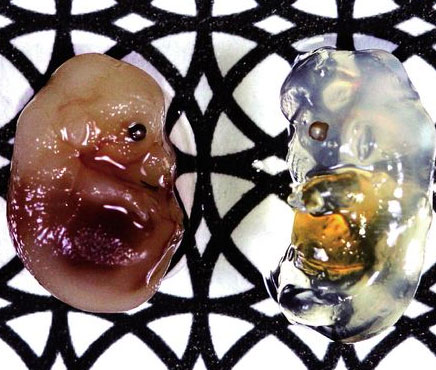
Scientists have successfully created a chemical that transforms the fetus and body parts into transparent blocks, allowing us to observe many activities in the living bo…
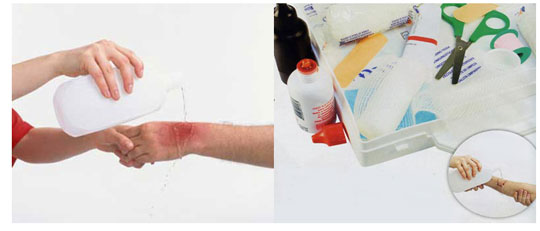
Scientists in the United States have researched wound healing technology by

US scientists have invented a type of 'robot doctor' that can perform conventional surgical operations without the need for human intervention.
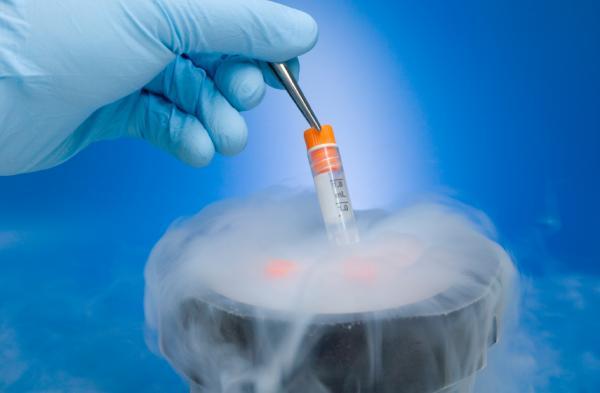
Cold storage is currently a hope for women who want to give birth after suffering from reproductive tissue-degenerative diseases such as ovarian cancer. Techniques are a…
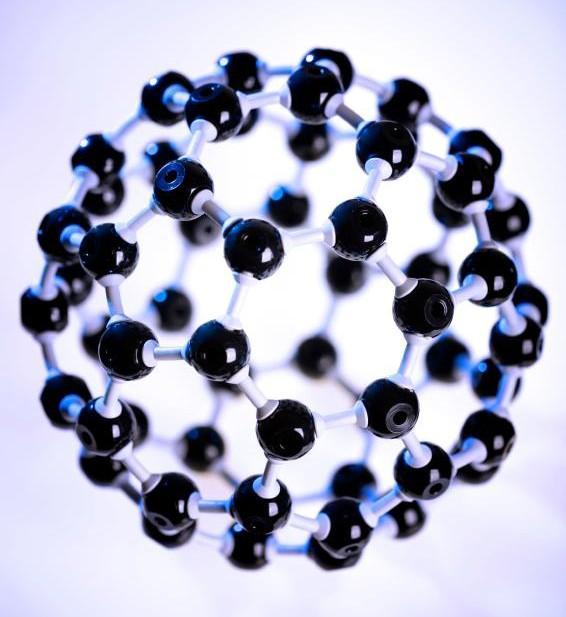
Research at Purdue University shows that synthetic carbon molecules called fullerenes, or buckyballs, are more likely to be accumulated in animal tissue.
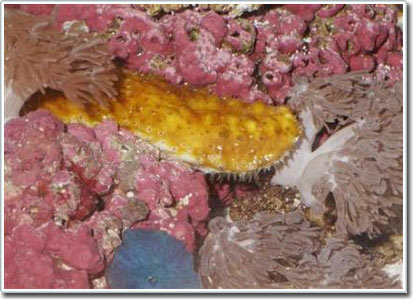
A new material inspired by the defense mechanism of sea cucumbers can vary from hard to mild soft, a characteristic that makes it suitable for medical transplants. When…