Science invention
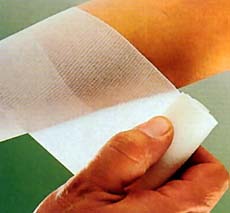
Tape of scar-scarring
Stanford University Medical Center (USA) has developed a wound dressing that can prevent scar formation on the skin.
Browse ScienceInfo articles and explainers related to Tissue.
391 published items.
Stanford University Medical Center (USA) has developed a wound dressing that can prevent scar formation on the skin.
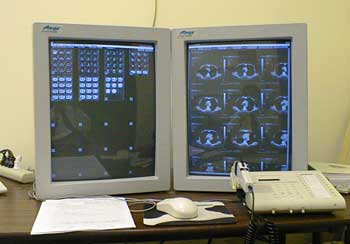
Today computers have become very popular in every social activity. But more than 30 years ago, the successful study of computerized layered tomography (VTCLPT) opened a…

In terms of size, the chip the research team created is just a square with a 1.5cm edge but if we use a microscope to observe, we will see an extremely complex protein n…
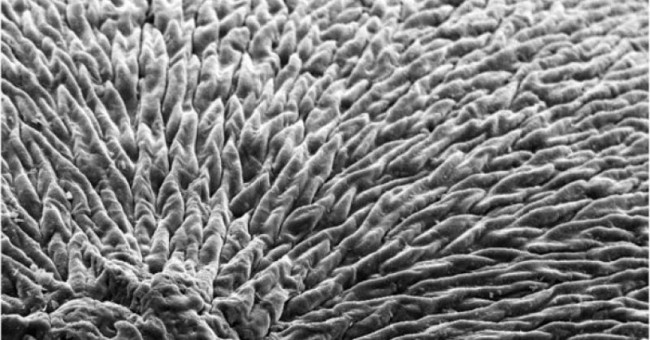
Enamel is the hardest bone tissue, difficult to be affected in the body, allowing teeth to work and withstand continuous pressure from chewing, biting ...
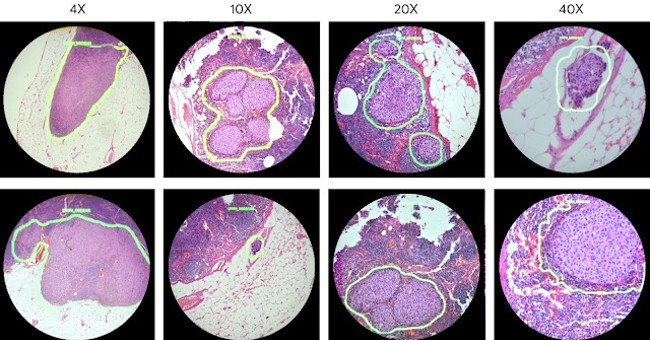
The process of analyzing biological tissues to look for signs of cancer - and if so, how much and what kind - of pathologists is an extremely time-consuming process.
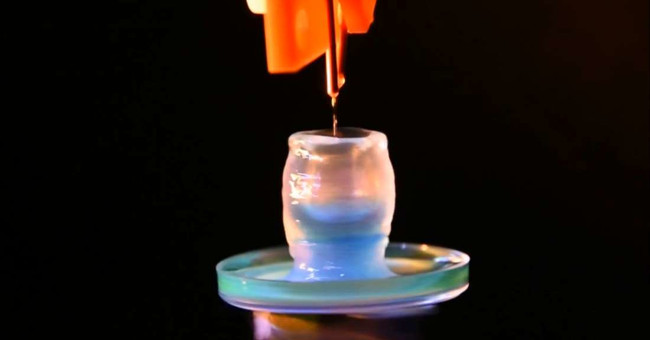
The supply of human organs needed for transplantation is always in serious shortage, causing many people to disregard all moral and legal standards in order to find ways…
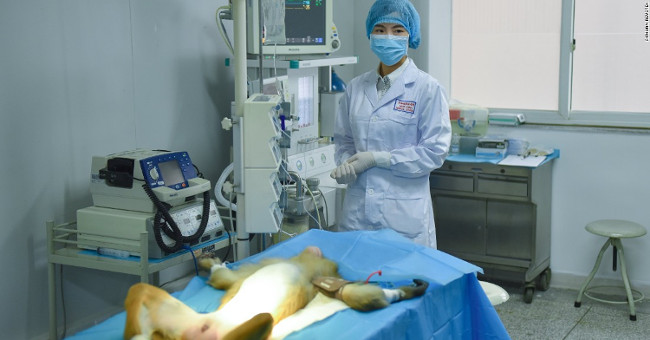
Research team of Hangzhou Regenovo Biotech Limited Liability Company takes the lead role.
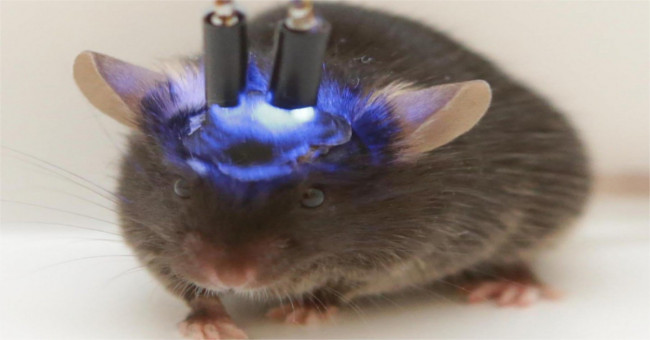
Scientists transplant human brain tissue into rodents and mice, raising a moral debate among researchers.
Russian experts have developed a material that can be successfully used in all eye surgeries.
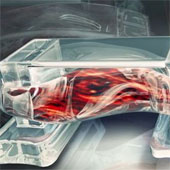
Scientists at the University of Illinois, Berkeley, have created a robot that is just over 1cm in size, built on the backbone hydrogel printed from a 3D printer.

Famous 19th century Vincent van Gogh in a distressing dystopian left his own ear.
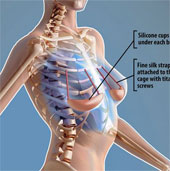
Three British women underwent a new, revolutionary surgery, in which they were fitted with a 'breast enhancer' under their skin to resist the sagging of the first round.
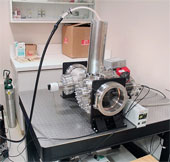
Researchers at the Massachusetts Institute of Technology and the Massachusetts General Hospital have developed a new X-ray system, which is compact in size and not parti…
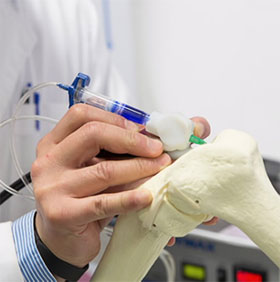
Australian scientists have developed a portable 3D printer named BioPen that is capable of regenerating new bone tissue.

Less Invasive Surgery is becoming increasingly popular although there are some limitations to this approach.