World Heritage
Rituals and tug-of-war games - Human heritage
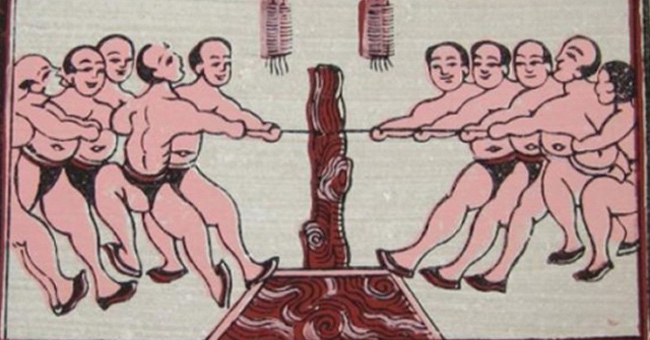
Tug-of-war is a very ancient ritual of both East and Southeast Asia, each with its own way of performing, but the common spirit is the desire for prosperity, growth and…
Browse ScienceInfo articles and explainers related to Unesco.
327 published items.
Tug-of-war is a very ancient ritual of both East and Southeast Asia, each with its own way of performing, but the common spirit is the desire for prosperity, growth and…
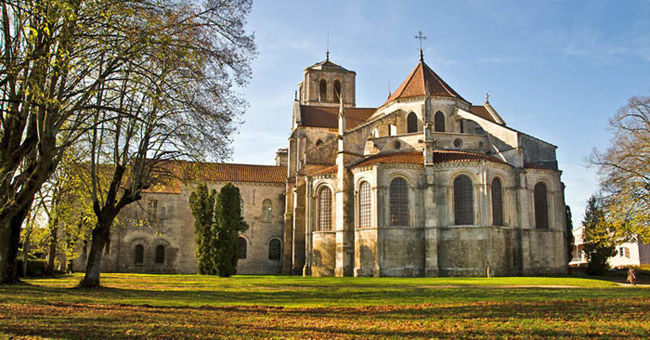
Unesco's Scientific, Educational and Cultural Organization has recognized the Church, the hill in Vézelay of France as a World Cultural Heritage in 1979.

Unesco's Scientific, Educational and Cultural Organization has recognized Everglades National Park of the United States as a World Natural Heritage in 1979.

Unesco's Scientific, Educational and Cultural Organization has recognized Norway's Bryggen area as a World Cultural Heritage in 1979.
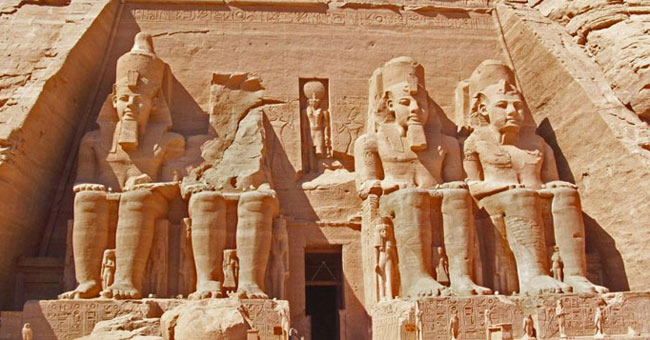
Unesco Scientific, Educational and Cultural Organization has recognized the Nubian relics from Abu Simbel to Egypt's Philae as a World Cultural Heritage in 1979.
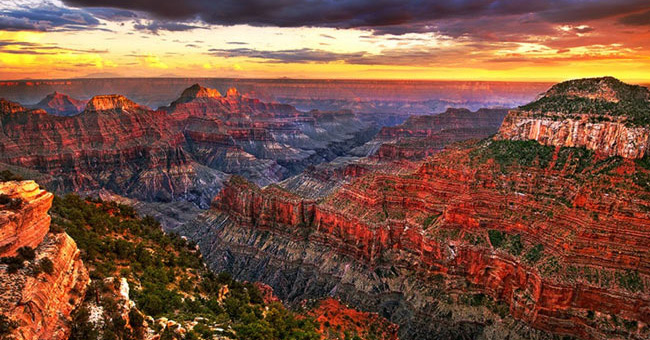
The Unesco Scientific, Educational and Cultural Organization has recognized the Grand Canyon National Park of the United States as a World Natural Heritage in 1979.
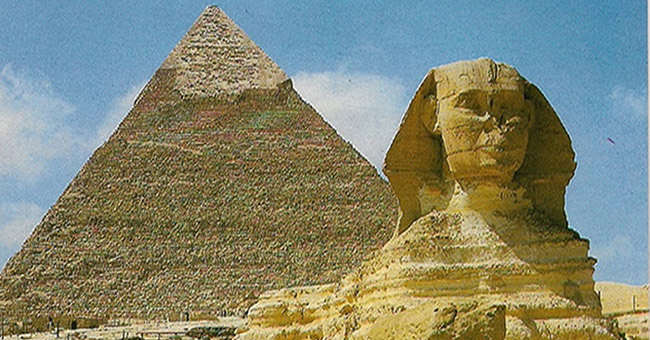
Unesco's Scientific, Educational and Cultural Organization has recognized Memphis & Population Ruins Pyramid from Giza to Dahshur of Egypt is the World Cultural Heritage…

Unesco's Scientific, Educational and Cultural Organization has recognized the United States Independence Hall (Independence Hall) as a World Cultural Heritage in 1979.

Unesco's Science and Education Organization has recognized Canada's dinosaur fossil park as a World Natural Heritage in 1979.

Unesco Scientific, Educational and Cultural Organization has recognized Protected Areas and National Parks: Kluane, Wrangell-St. Elias, Glacier Bay, Tatshenshini-Alsek o…

Unesco's Organization for Science, Education and Culture has recognized - Cairo's historic capital of Egypt is the World Cultural Heritage in 1979.
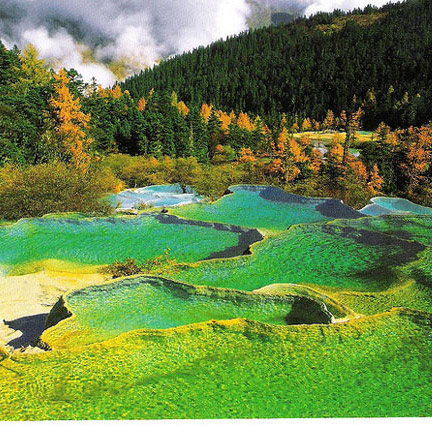
Unesco's Scientific, Educational and Cultural Organization has recognized the Hoang Long Scenic Area as a World Natural Heritage in 1992.
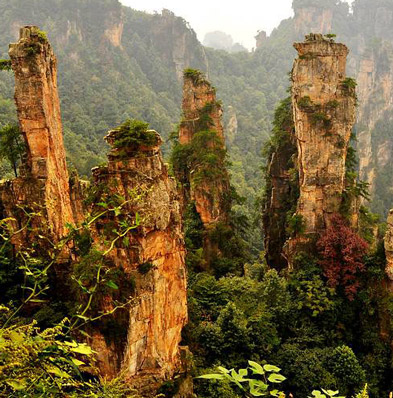
Unesco's Science, Education and Culture Organization has recognized China's Wu Lang Yuan Scenic Area as a World Natural Heritage in 1992.
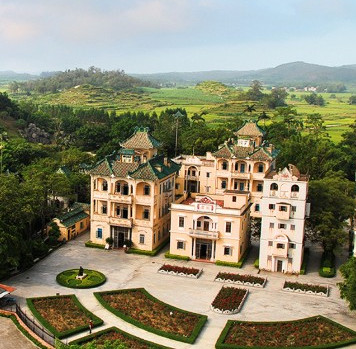
Unesco's Science, Education and Culture Organization has recognized China's Kaiping Long Sculpture as a World Cultural Heritage in 2007.
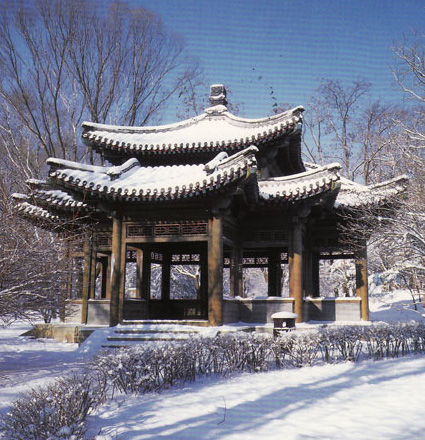
The Unesco Scientific, Educational and Cultural Organization has recognized China's Test of Paint and the Eight Kingdoms Temple as a World Cultural Heritage in 1994.