
New technology
New solution for bendable electronic devices in the future
The materials research team at the University of Michigan has recently successfully built a new type of conductive material that flexibly bends and bends.
Browse ScienceInfo articles and explainers related to University.
4,907 published items.
The materials research team at the University of Michigan has recently successfully built a new type of conductive material that flexibly bends and bends.

Scientists can read the human mind based on the magnetic resonance imaging of the neural activity in the brain.
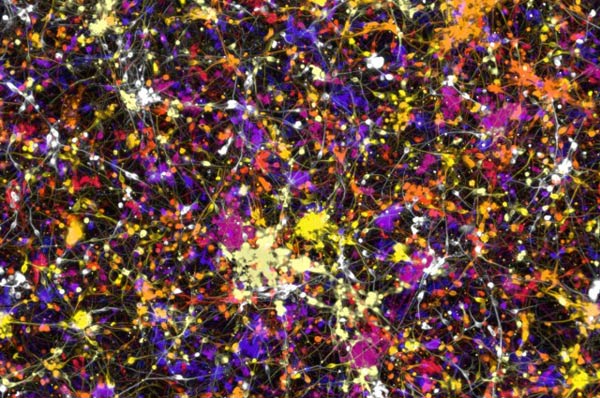
For the first time in medical history, McMaster University scientists can use adult blood cells and convert it into neurons (both central and peripheral).
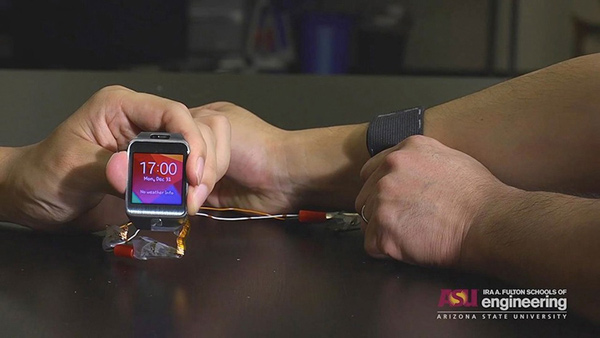
In the future we will have a stretchable battery for smart watches and wearable electronics. The battery can stretch up to 150% of its original size and still be able to…

The latest work on graphene is known as the world's thinnest lamp.

Research indicates that the precise determination of how magma moves is the key to predicting volcanic eruptions.

Lecturer at the University of Technology, Hanoi National University successfully researched and manufactured the first dedicated video encoder circuit in Vietnam, which…

US scientists have tested a scanner that identifies a person from a distance of 12 meters.
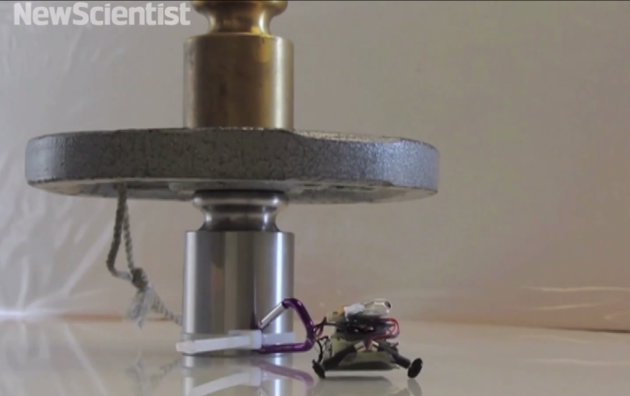
This robot experiment takes the idea from the gecko's ability to climb.
A research team at Ohio State University (The Ohio State University - OSU), has successfully built a stainless steel oil filter that promises to make a big change in cle…

Researchers at the University of British Columbia have found a way to change donated blood types.
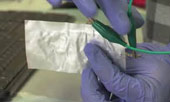
Lithium batteries that we use today have the advantage of high capacity but it is very easy to burn as well as long charge.

Milan University of Science and Technology has created a bench

For the first time in medical history, doctors at Stellenbosch University and Tygerberg Hospital (South Africa) have announced successful penile implants.
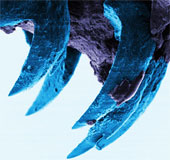
British scientists believe that the teeth of a slug may be the hardest biological material ever known.