Biology
Experience the feeling of
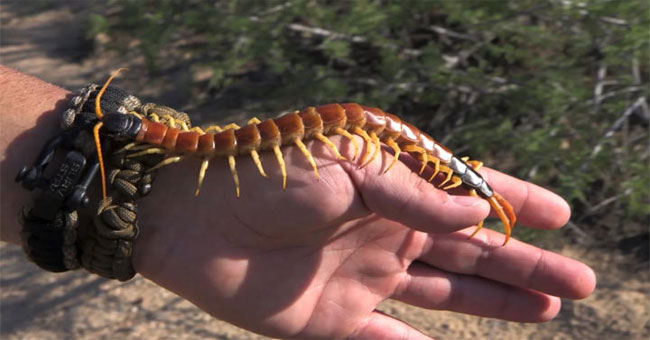
The strange experience of American zoologists will help you understand how painful and painful it is to be bitten by a desert centipede.
Browse ScienceInfo articles and explainers related to Venom.
258 published items.
The strange experience of American zoologists will help you understand how painful and painful it is to be bitten by a desert centipede.
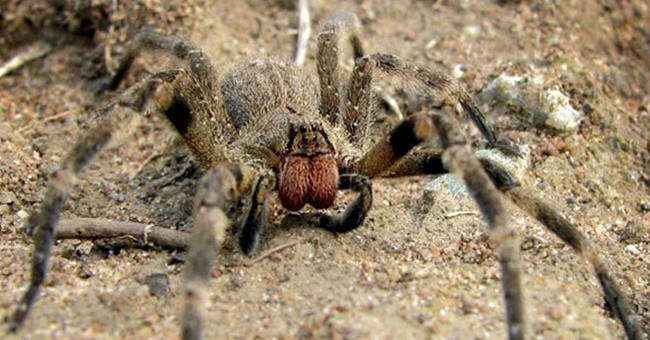
Brazilian wandering spider is considered the most dangerous venom spider in the world today.
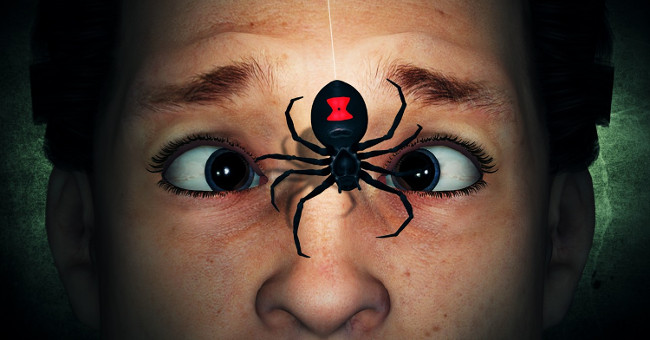
Do you believe that when the venom of this black widow spider is 15 times stronger than the bell-tailed snake?

It is unclear how this virus can get the spider's DNA (and some other animals), but scientists think the virus does so to make it easier to infect. .
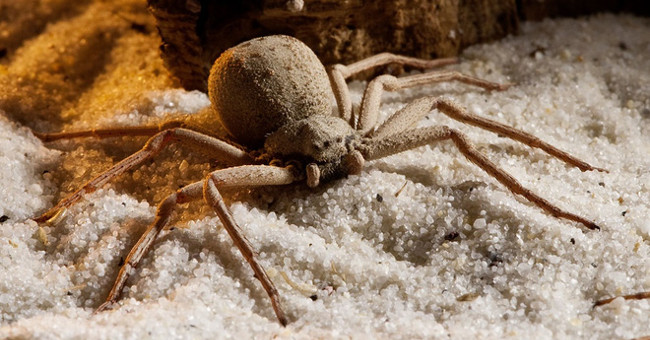
Only a single drop of them causes an adult to break a blood vessel and die in extreme pain.

This is the first centipede to be able to live both underwater and on land.

Referring to centipedes, many people feel frightened by the venom as well as their appearance. But when reading the article below, you will definitely feel extremely int…
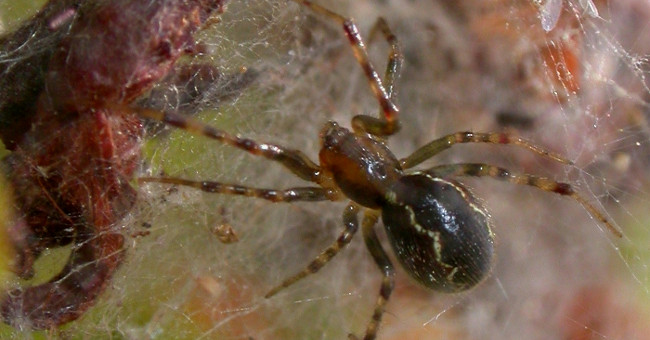
The body abhorres leaf hair, has not recounted many legs and carried venom, spiders are always one of the most frightening nightmares of humans.

In the southern tropical forests of Brazil, there is a species called the lazy clown by the locals, the scientific name is Lonomia.

The burn of the Tarantula Hawk was only painful for a few minutes but it was enough to make the victim feel like he had just experienced a deadly shock.

For many people, spiders are terrifying terror and they can
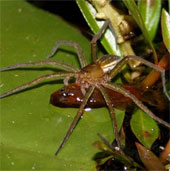
The Swiss and Australian team of scientists have found that some species of spiders are capable of catching fish and using fish as their main source of food.
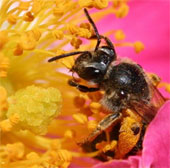
The venom from one of the world's most poisonous spiders may become a biological insecticide that kills harmful insects, but does not affect bees - one of the
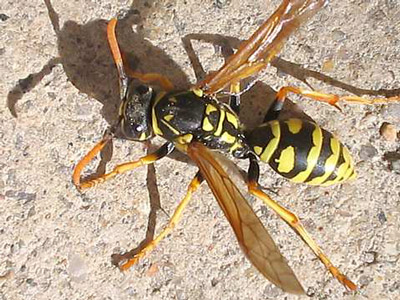
Need to be very careful with the demon face, because its venom is no less venomous - President of Vietnam Beekeepers Association warns after a 6-year-old student in Lao…

A group of scientists from the University of California (USA), led by Professor Bruce Hammock, conducted research on an African scorpion named Parabuthus transvaalicus.