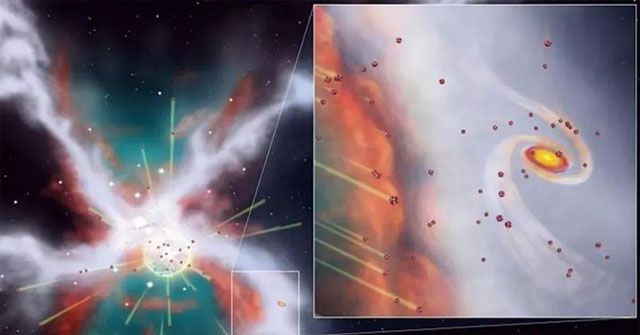
Space science
Discovery of a space 'monster' that almost knocked the Earth off its feet
The chilling discovery of a huge amount of radioactive aluminium hitting the Solar System 4.6 billion years ago suggests the baby Earth had a narrow escape.
Explore astronomy, NASA missions, planets, galaxies, the Moon, the Solar System and discoveries that expand our understanding of the universe.
8,698 published items in this category and its subcategories.
The chilling discovery of a huge amount of radioactive aluminium hitting the Solar System 4.6 billion years ago suggests the baby Earth had a narrow escape.
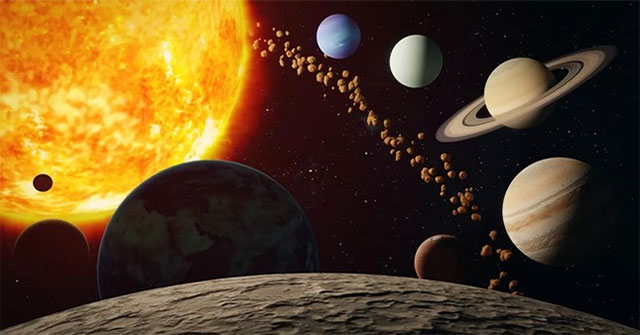
A new analysis of chaos in the solar system has revealed how planetary collisions were avoided for billions of years.
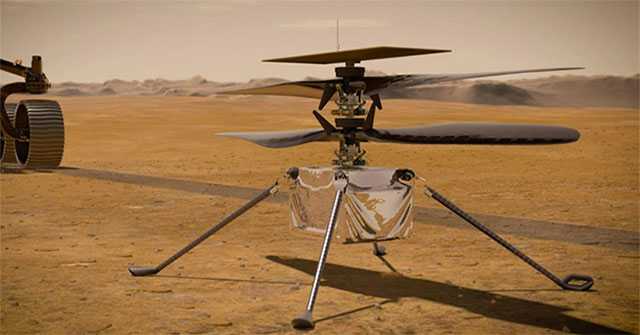
A strange object shaped like a piece of toilet paper has appeared in NASA images taken from Mars.
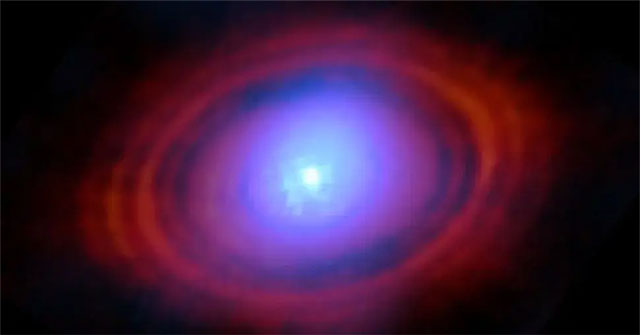
In the place where one or more planets may be forming, astronomers have found three times more water than Earth's oceans combined.
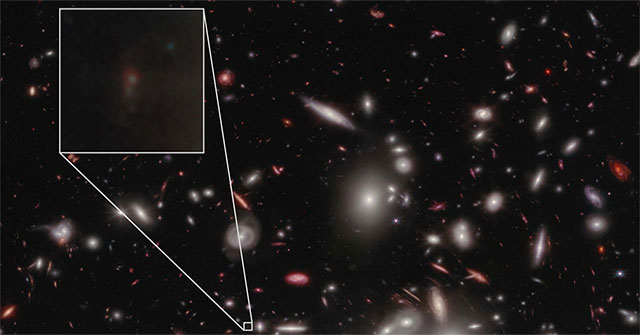
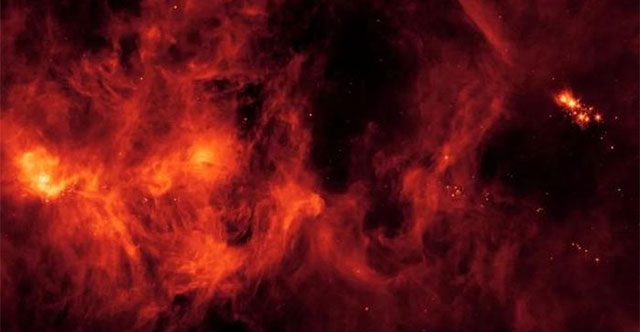
NASA's Spitzer Infrared Space Telescope has picked up the signal of tryptophan in the middle of a
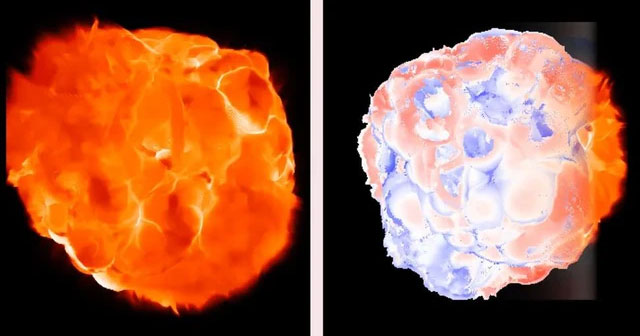
Not only is it huge, glowing, spooky, and always threatening to explode,
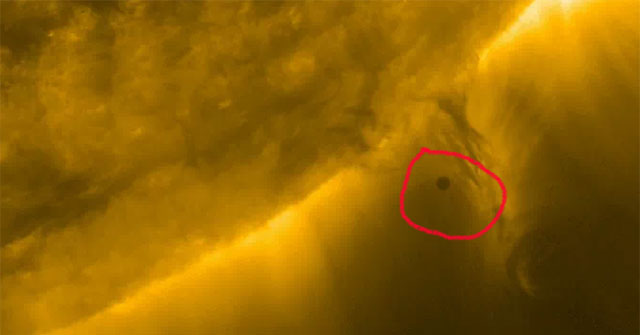
The Solar Orbiter spacecraft observed Mercury as it crossed the Sun, a rare moment.

NASA instruments have captured the moment part of the Sun appeared to be completely detached and caught in a polar vortex.
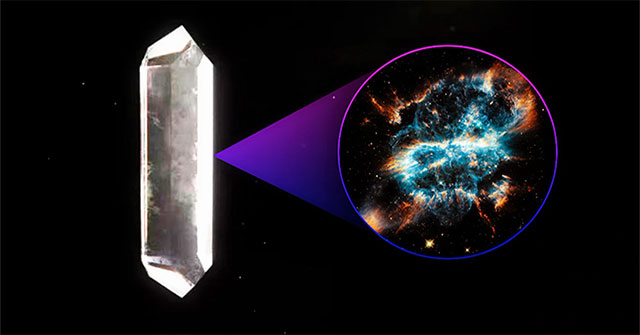
This is also one of the driving forces urging countries to seek to conquer the Moon again.
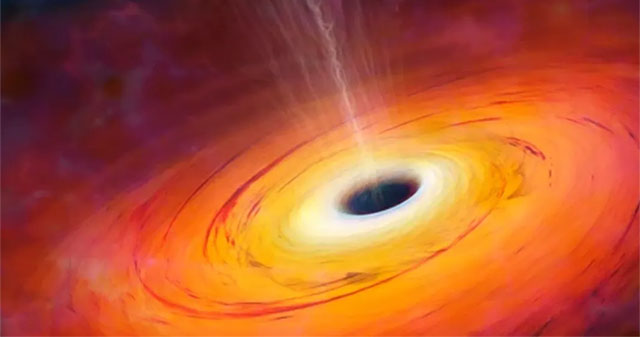
A new study of the microscopic structure of black holes promises to open up opportunities to solve cosmic mysteries, physicists say.

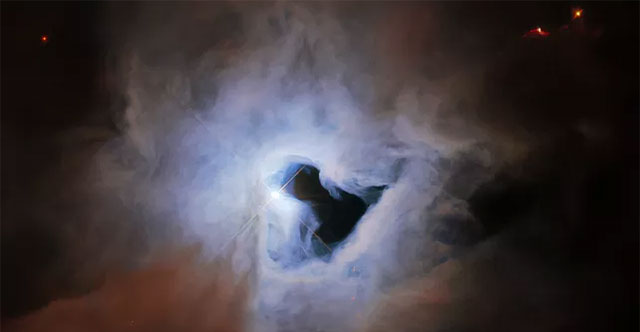
The NASA/ESA Hubble Space Telescope has captured a breathtaking image from a distant region of space 1,350 light years away.
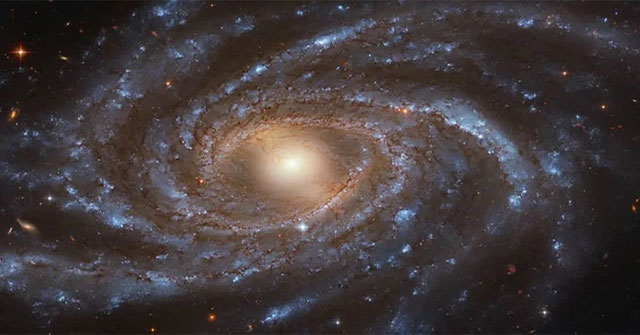
One of the key ingredients for life on Earth to arise has been found in the most unexpected place:
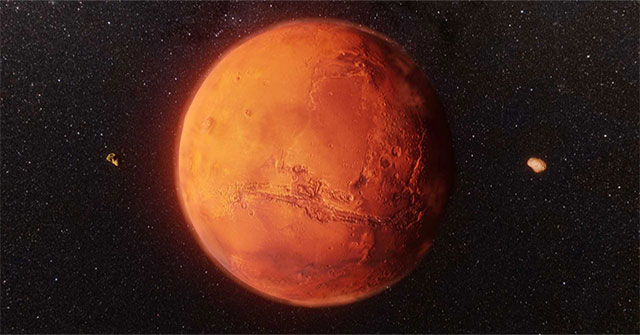
Although Mars may be some 225 million kilometers away from Earth, the planet is already affecting the climate where humans live, according to new research.