Space science
James Webb Telescope Discovers Rare Scene From Saturn's Moon
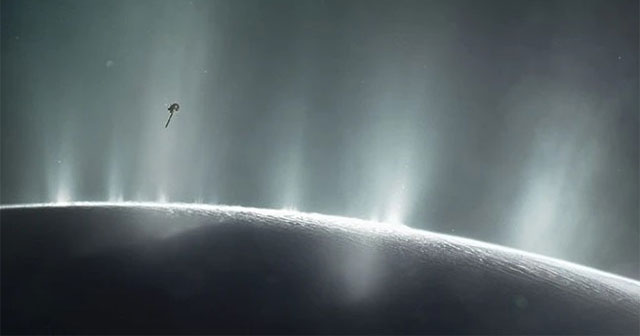
The James Webb Space Telescope has discovered Saturn's moon Enceladus spewing out a giant plume of water vapor, much larger than any seen before.
Explore astronomy, NASA missions, planets, galaxies, the Moon, the Solar System and discoveries that expand our understanding of the universe.
8,698 published items in this category and its subcategories.
The James Webb Space Telescope has discovered Saturn's moon Enceladus spewing out a giant plume of water vapor, much larger than any seen before.

The Milky Way's giant disk of light is warped and twisted in mysterious ways.
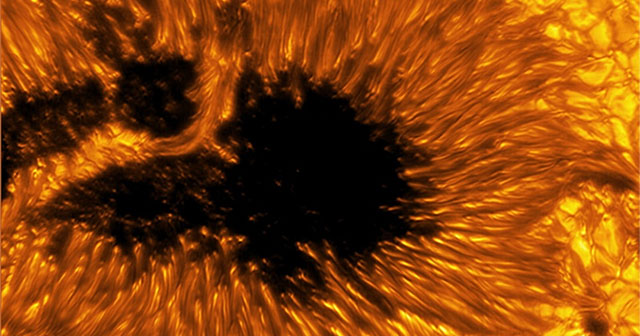
New images of the Sun's surface reveal sunspots and other structures in greater detail than ever before, CNN reported on May 25.
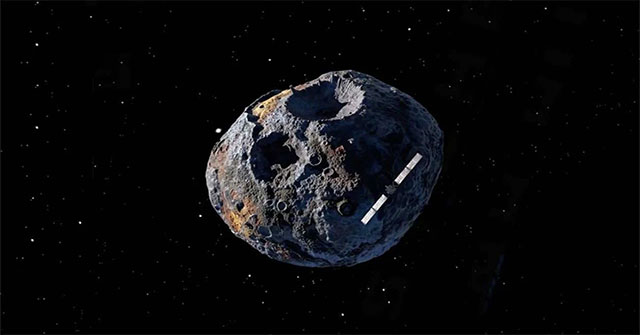
The asteroid Psyche is considered a valuable resource, with huge amounts of gold and diamonds worth 70,000 times the world economy.
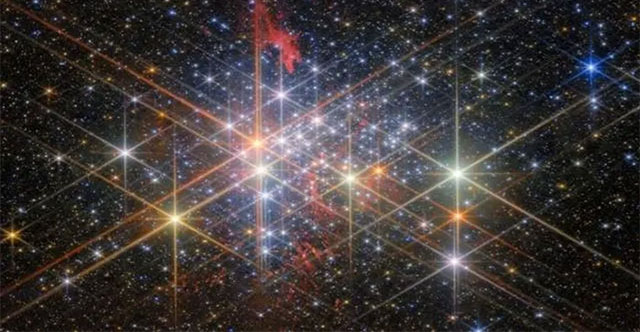
After years of being obscured by dust and gas, the largest young supercluster in the Milky Way - Westerlund 1 - has finally been discovered by the James Webb Space Teles…

International experts have been researching a giant sunshade placed in space to help combat global climate change.
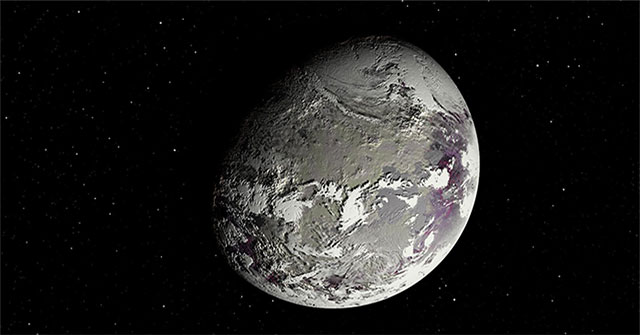
It is possible that humanity has seen a habitable planet for a long time without knowing it, because it ignored signs of an Earth-like phenomenon.
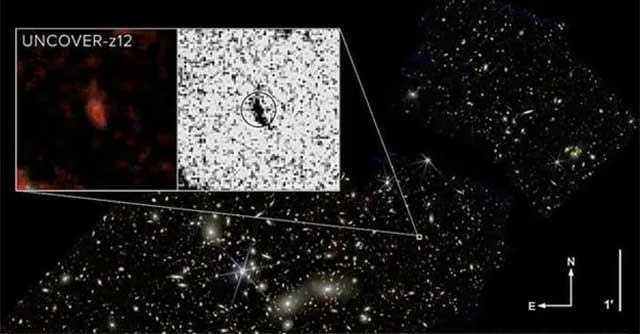
With the help of the galaxy cluster
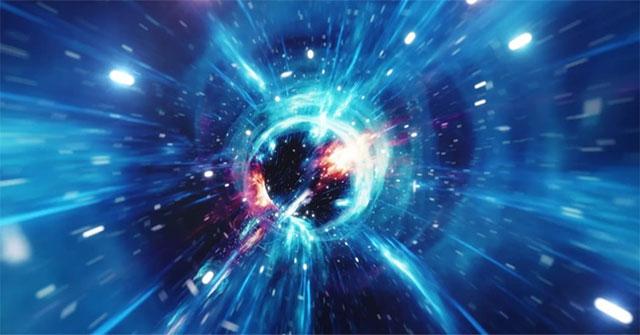
The prospect of time travel via wormholes is not a new concept in sci-fi movies, but what if it wasn't just science fiction?
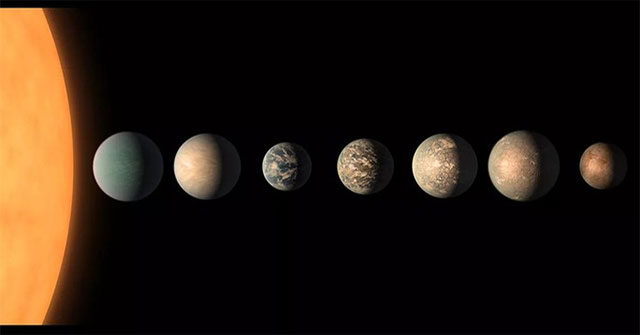
The seven planets in the TRAPPIST-1 system all share some Earth-like characteristics that could be favorable for supporting life.
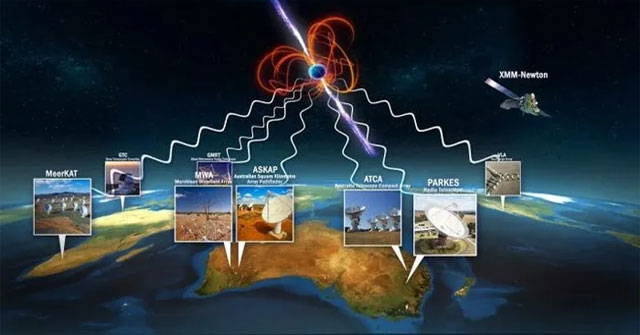
Astronomers from Curtin University have discovered a star 15,000 light years away that continuously emits radio pulses every 22 minutes.
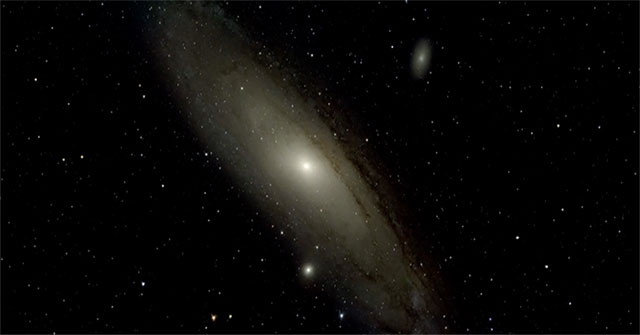
China has just released the latest image of the Andromeda Galaxy, more than 2 million light years from Earth.
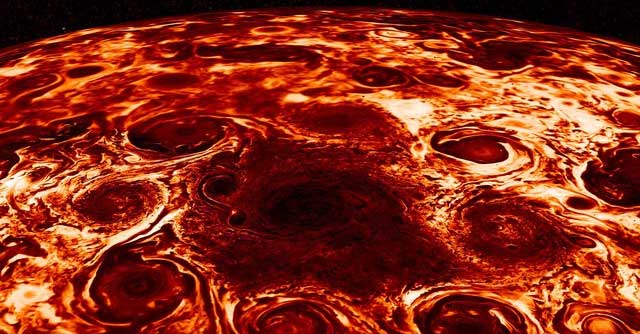
Scientists believe this could be a sign that there are physical elements on Jupiter that humans are not aware of.
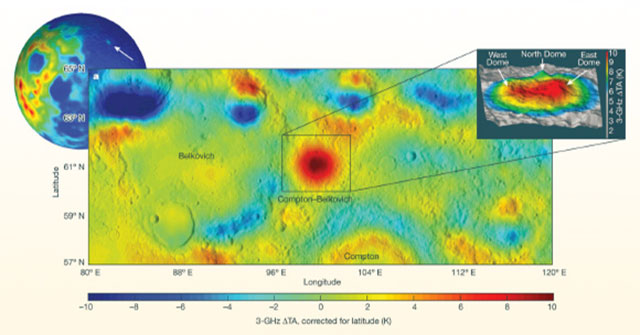
On the far side of the Moon, where we can't see it from Earth, a 50km-diameter structure could overturn everything we think about this celestial body.
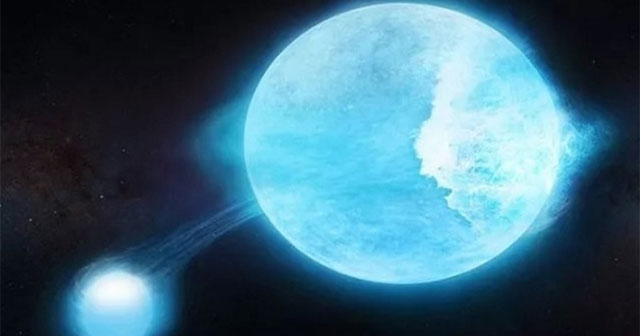
Each time a 4 million kilometer high tsunami crashes onto the star's surface, it releases enough energy to shatter the Earth hundreds of times over.