Space science
NASA applies 3D printing in space research
Facing a difficult economic situation, the US Aeronautics Agency (NASA) decided to promote the use of 3D technology in space research with the aim of minimizing costs.
Browse ScienceInfo articles and explainers related to 3d Printer.
96 published items.
Facing a difficult economic situation, the US Aeronautics Agency (NASA) decided to promote the use of 3D technology in space research with the aim of minimizing costs.
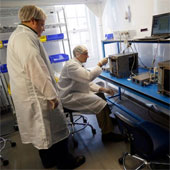
The US Aerospace Agency (NASA) announced on September 30 a plan to bring a 3D printer (3D) into space next year to help astronauts on the International Space Station (IS…
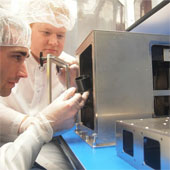
Tests for 3D printers in a zero gravity environment have been started since 2011 and continue this year. If it goes through this stage, it will be deployed to space stat…
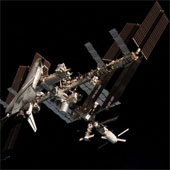
It can 'produce' replacement equipment and parts on space ships in a vacuum. In addition, 3D printers can re-supply materials that are about to be used up in the journey.
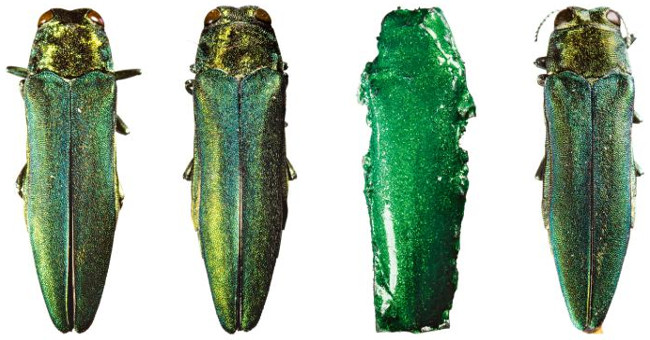
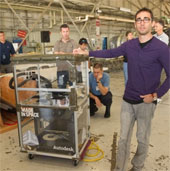
Male beetles when attempting to mate with decoys are a fake beetle that will be destroyed by a 4,000 volt electric current.
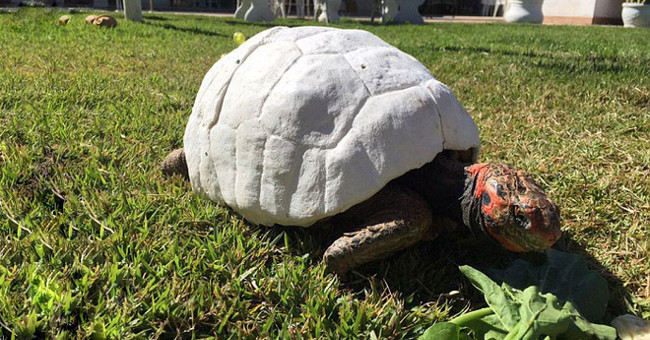
Freddy is a name given to a turtle caught in a forest fire in Brazil, although saved, its ability to continue to live is very low.

Early 3D printing technology will create a new technology revolution. Currently, it has created a lot of interesting products.
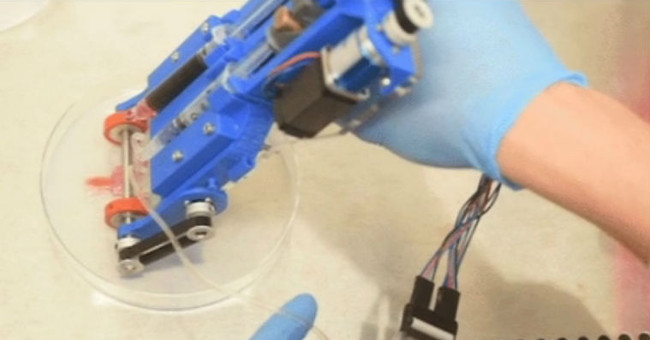
Having a design like a hand-held tape stick, this special '3D printer' can create a layer of tissue just like human skin.
The copy of US President Barack Obama is designed and perfected with high-precision 3D printing technology.
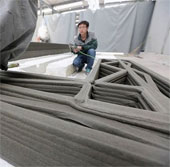
A Chinese company called WinSun Decoration has invented a 3D printer that can print up to 10 houses in 24 hours, using recycled materials from construction waste.

This 3D printer can create pizzas full of starches, proteins, fats, spray flavors, smells, and micronutrients.
According to scientific forecasts, the next years of the 21st century will appear today 's technology trend to start interfering and complementing each other. This will…
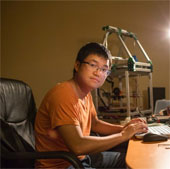
At the end of 2012, Dr. Le Truong Son returned from the US to his wife's home after six years of living abroad.
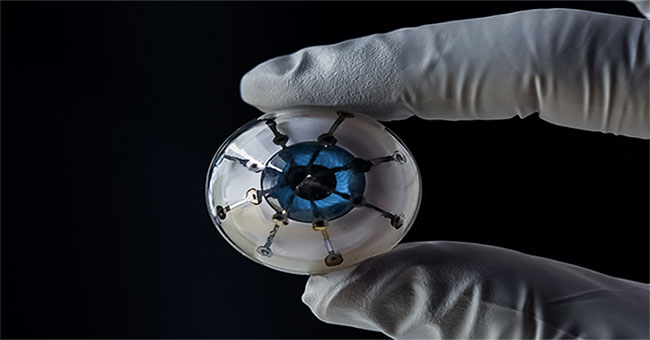
Researchers at the University of Minnesota have printed a series of light receptors on a hemispherical surface.
3D printing technology today is probably not too new anymore, with many applications in the manufacturing industry.